Pick a small, secure setup, train often, and keep safety first.
If you run at dawn or after dark, you may feel exposed. This guide breaks down concealed carry for running and jogging with clear, field-tested tips. I have coached new carriers, tested gear on 5Ks and trail runs, and learned what fails when you sweat and bounce. Stay with me to learn what works, what to skip, and how to set up concealed carry for running and jogging with calm confidence.
Is Concealed Carry While Running Right For You?
Carrying while you run is a trade. You gain a tool for a worst day, but you add weight and tasks. You must decide if the risk on your routes and times makes it worth it.
Think about your area, crime trends, and your body. Do you run in the dark or in isolated spots? Do dogs, coyotes, or people bother you? If yes, concealed carry for running and jogging can be part of a layered plan.
You can also pair a gun with a light, phone, and spray. Keep a simple goal: get home safe. If that fits your life, concealed carry for running and jogging can serve you well.
Legal and Ethical Basics for Runners
Laws change by state and city. Know permit rules, banned places, and transport laws. Learn where parks, schools, or races may be off-limits. Some states need you to inform police if stopped.
Use of force hinges on reasonable fear of death or great harm. A gun is not for angry dogs across the street or rude drivers. Avoid fights, leave when you can, and call 911 early. This mindset is vital in concealed carry for running and jogging.
Practice safe storage before and after the run. Do not adjust the gun in public. Your job is to avoid harm, not win a fight.
Choosing a Firearm That Works While You Move
Running adds bounce, sweat, and fast breathing. Small guns hide and ride better. But tiny guns can be harder to shoot well. You want the lightest gun you can still shoot with control.
What to look for:
- Weight under about 20 ounces loaded. Light helps comfort and reduces bounce.
- Rounded edges and a short grip. This lowers printing and hot spots.
- Proven reliability with quality ammo. Test at least 200 rounds without failures.
- Good sights and a clean trigger. Short barrels need clear sights and strong grip.
Common picks I see work well:
- Micro 9mm: Sig P365 series, Springfield Hellcat, Glock 43/43X.
- Slim .380: Ruger LCP Max, S&W Bodyguard .380 (easier to carry, but lower power).
- Revolvers: small .38 with enclosed hammer for pocket carry, but lower capacity.
Balance matters. If the gun is too heavy, you will leave it at home. That defeats concealed carry for running and jogging.

Holster and Carry Systems That Survive a Run
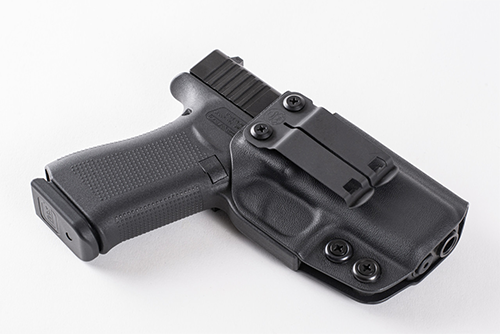
Your holster must do three things: cover the trigger, hold the gun tight, and stay put. Moving bodies test weak clips and soft fabric. I have had cheap bands sag and twist mid-run. It was not safe.
Strong options:
- Appendix Kydex with a running-capable belt. Solid retention, fast draw, and a firm mount if your shorts accept a belt sleeve.
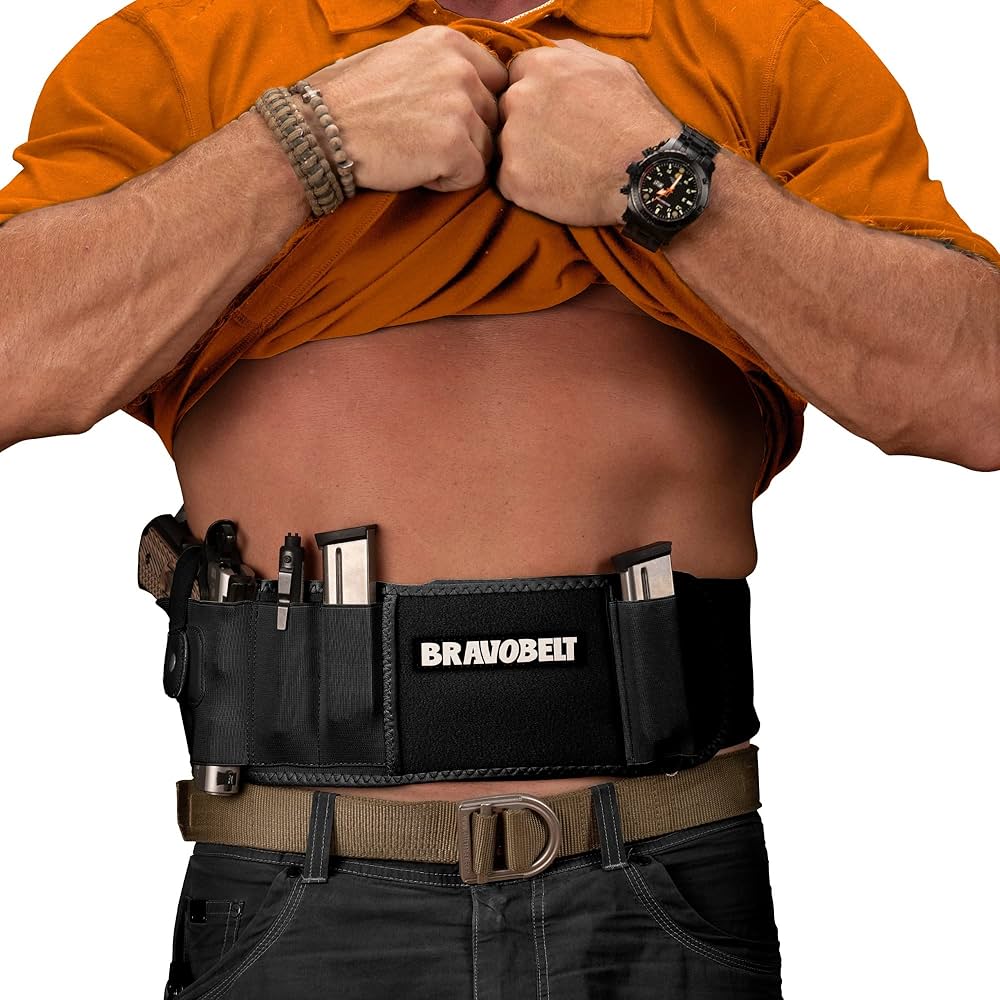
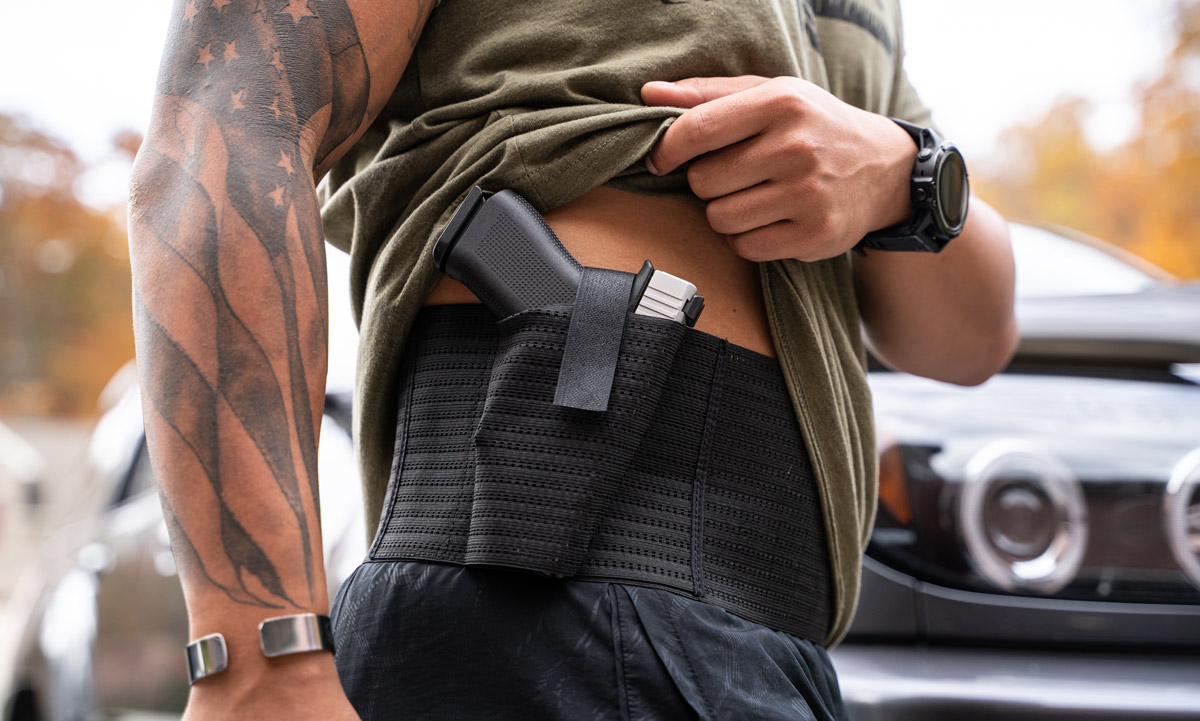
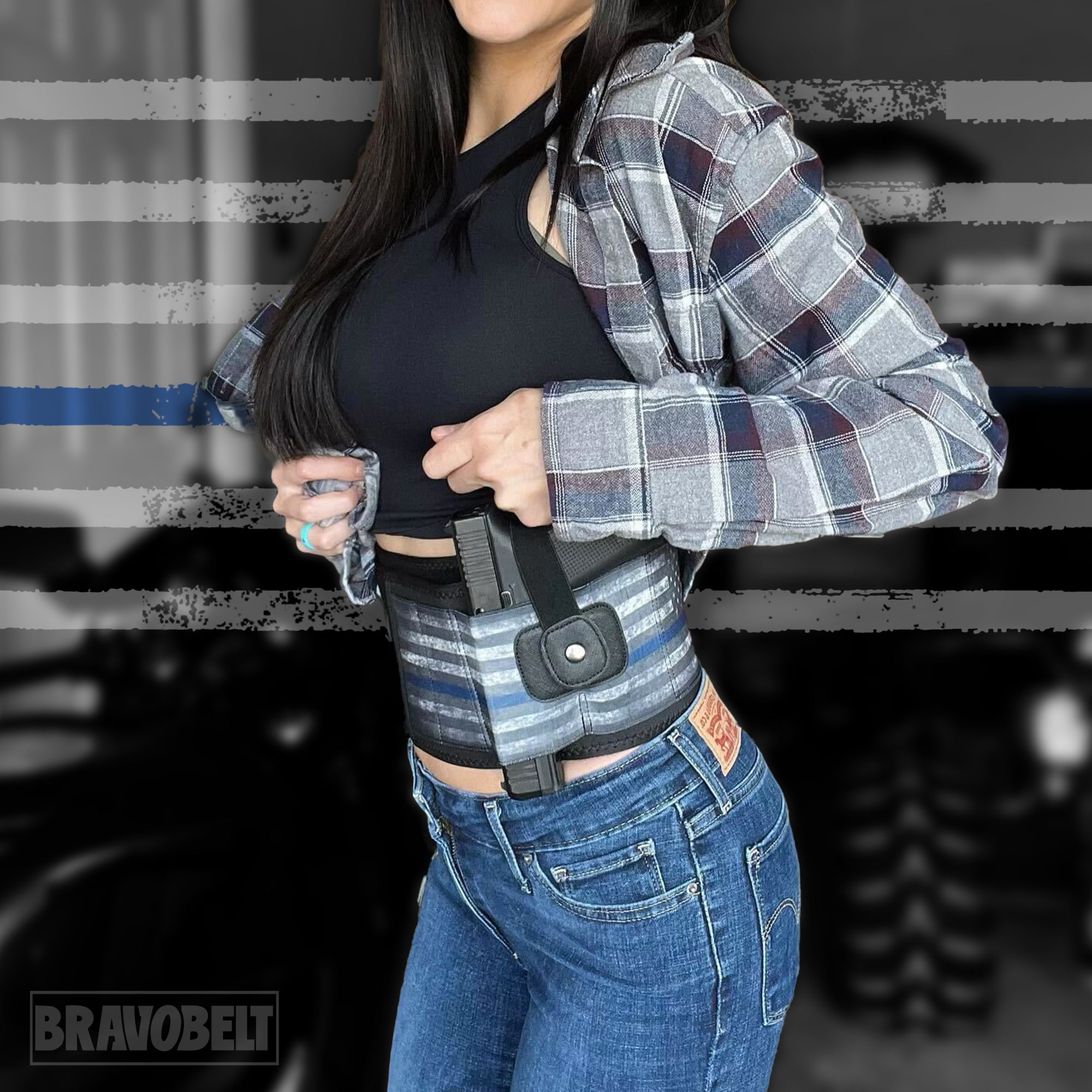
- Belly band with molded shell. Choose a band with a Kydex shell or firm insert. Pure fabric can fold into the trigger area.
- Chassis systems with belts. Systems that anchor to your hips keep the holster fixed as you stride.
- Running packs or chest rigs with a rigid holster inside. Off-body but stable if strapped tight and set high.
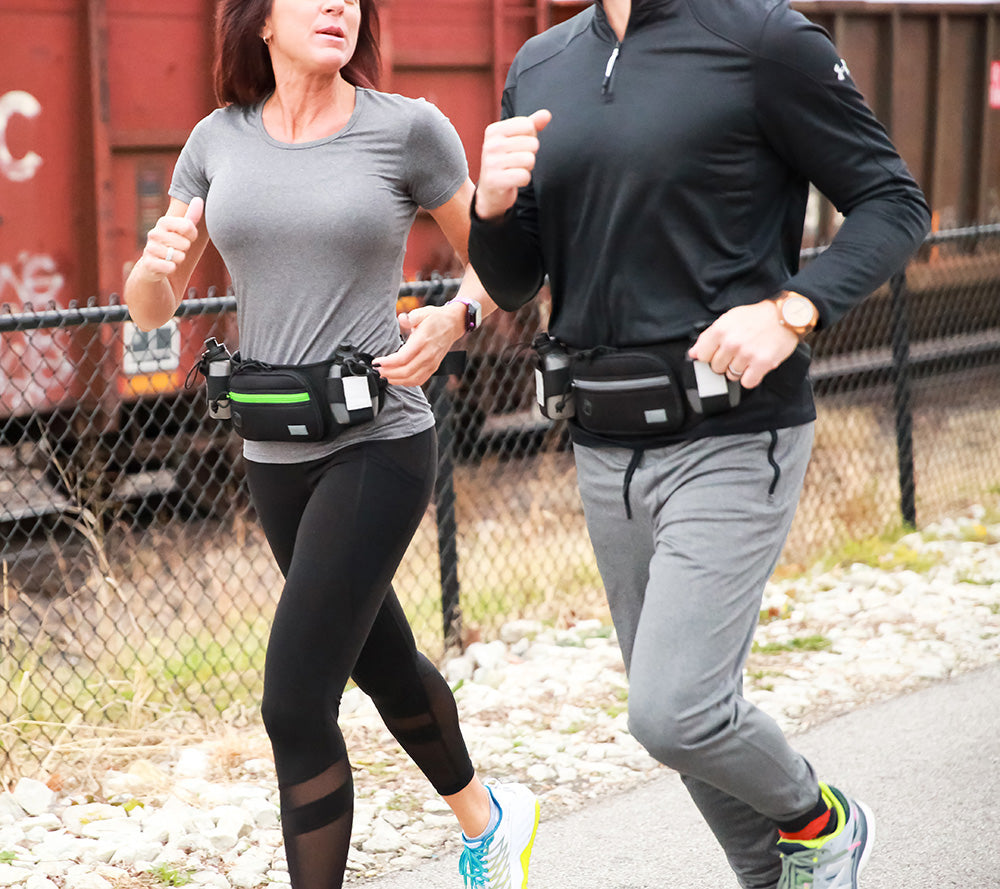
- Fanny pack with a trigger-covering insert. Look for tear-away zips and fixed orientation.
Key checks:
- Bounce test: jump in place and run stairs. The gun should not slap or migrate.
- Draw test: with an unloaded gun, draw from a jog. You must get a full firing grip without fishing.
- Sweat guard: a barrier between slide and skin helps. Salt eats finishes fast.
A solid holster is the backbone of concealed carry for running and jogging. Do not cut corners here.
Placement, Clothing, and Setup That Prevent Chafe
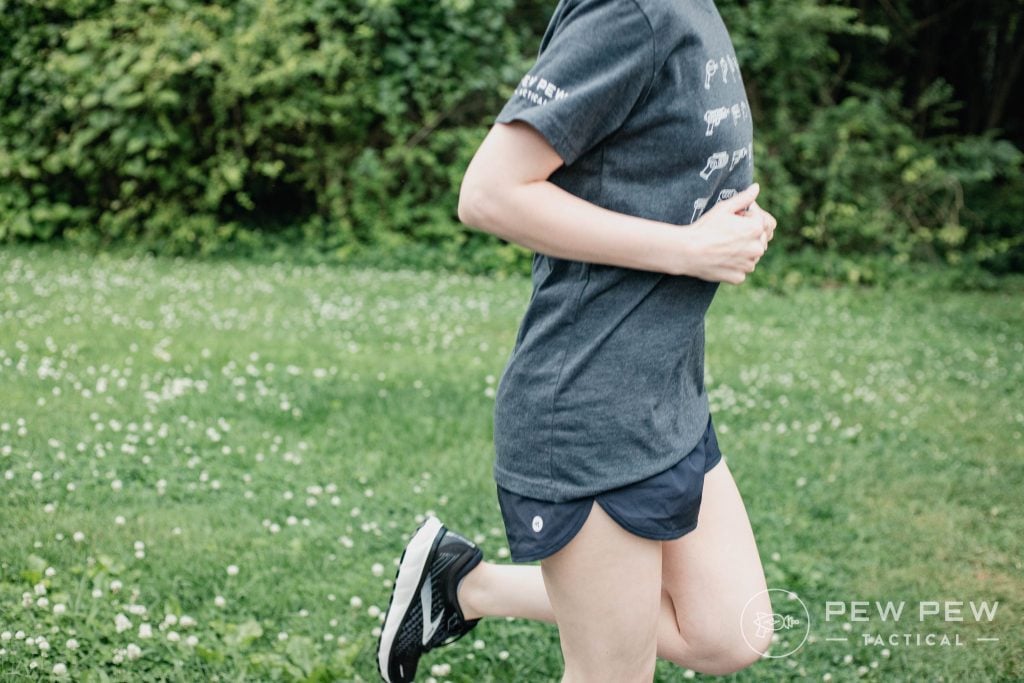
Placement affects comfort more than gun size. Appendix carry (about 1 o’clock) works well for many runners. It keeps the gun stable, reduces thigh slap, and speeds access. Strong-side (3–4 o’clock) can rub the hip and print with arm swing. Test both.
Clothing tips from the road:
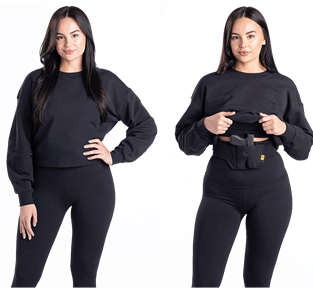
- Wear compression shorts or leggings as a base. Add the holster over them for a stable platform.
- Use an undershirt or holster pad to stop hot spots.
- Try anti-chafe balm on contact zones. A little goes a long way.
- Tighten in micro steps. Too tight kills blood flow. Too loose shifts on hills.
Set cant and ride height so you can grip the gun fast. Adjust in tiny steps. Then lock it in. This fine-tune step is where concealed carry for running and jogging becomes easy.
Carry Methods To Avoid or Use With Care
Some ideas look clever but fail at speed. I have tried most of them so you do not have to.
Use care or avoid:
- Unstructured belly bands with no rigid shell. Triggers can get pressed by fabric.
- Ankle carry. You bounce, it bounces, and access is slow.
- Small-of-back. High injury risk if you fall. Access is poor while moving.
- Loose pockets. Guns rotate, print, and can slip. If you pocket carry, use a real pocket holster.
- Off-body with weak straps. Packs can spin, sag, or shift in a sprint.
If you must go off-body, fix a rigid holster inside the pouch and anchor straps tight. Train the draw. Test it under pace. Hidden does not mean safe unless it is secure. Keep that in mind with concealed carry for running and jogging.

Training For The Realities Of A Sprint
Most close attacks happen fast and near. Studies show many assaults start within a few steps. Your draw must work when your heart rate is high and your hands are sweaty.
Simple plan I give new runners:
- Week 1: Dry work at home with an unloaded gun. Practice the draw, reholster, and safe trigger finger.
- Week 2: Add movement. Jog in place, then draw. Talk through a 911 call as you reholster.
- Week 3: Live fire. Short gun, close targets, tight groups first. Then add a timer and bursts of movement.
- Ongoing: Practice with a light and with pepper spray. Not every threat is a gun problem.
Use short sessions. Ten clean reps beat 50 sloppy ones. This builds real skill for concealed carry for running and jogging.
Safety, Maintenance, and Ammo That Work With Sweat
Follow the four rules every time. Clear the gun before you try new gear. Keep your finger off the trigger until you are on target. Never reholster in a rush.
Sweat care:
- Wipe the gun after each run. Use a light oil on wear points.
- Stainless or nitrided parts resist rust, but still need care.
- Rotate mags. Salt builds up in base plates and springs.
Ammo tips:
- Choose bonded JHP loads made for short barrels. Many 9mm 124-grain loads perform well.
- Test carry ammo for function. Confirm recoil and point of aim.
- Avoid handloads for defense. Use duty-proven rounds.
Consider a small tourniquet in your pack. First aid helps you or others. It fits the duty of care in concealed carry for running and jogging.
Route, Mindset, and Tech That Keep You Ahead
Avoid the problem first. Pick routes with light, people, and exits. Tell someone your plan and share live location from your phone.
Smart habits:
- Keep one ear open. Bone-conduction or single-bud setups help.
- Carry a light at night. A small handheld helps you see and signal.
- Use your phone’s SOS feature. Set up emergency contacts.
- Carry ID, permit, and a small cash note. It helps in a pinch.
If a threat shows up, move first, talk firm, and make space. Call 911 early. Give clear info. Then get a lawyer. This calm plan supports safe concealed carry for running and jogging.
Packing List: What I Actually Bring On Runs
Over years, I cut my load to what I use. This list works for city streets and light trails.
- Micro 9mm or .380 that I shoot well, with one spare mag.
- Rigid holster that covers the trigger and stays put.
- Pepper spray for dogs and low-level threats.
- Slim handheld light if running in low light.
- Phone with SOS set up and a small ID card.
- Simple tourniquet in the pack or belt pouch.
- Anti-chafe balm and a sweat-wicking base layer.
Keep it light, secure, and repeatable. This is the core of reliable concealed carry for running and jogging.
Frequently Asked Questions of concealed carry for running and jogging
Is it legal to carry while running in my state?
It depends on local laws and permits. Check state rules, city bans, park rules, and race policies before you run.
What is the best holster for running?
Pick a rigid holster that covers the trigger and locks to your body. Belly bands with Kydex, appendix Kydex with a run belt, or a pack with a fixed shell all work well.
Should I carry with a round chambered while running?
Most trained carriers do, because racking under stress can fail. If you choose this, use a rigid holster and strict trigger discipline.
What gun size works best for runners?
Micro-compact 9mm balances shootability and weight. Very small .380s hide well but may be harder to shoot and offer less power.
How do I stop bouncing and chafing?
Use compression layers, adjust ride height, and add a holster pad. Do the bounce test and fine-tune tension until the gun stays put.
Can I just use a fanny pack?
Yes, if it holds a rigid holster and stays stable. Train the tear-away draw and keep the zipper orientation the same every time.
How do I handle sweat and rust?
Wipe the gun after each run and use light oil. Stainless or nitrided parts help, but routine care matters most.
Conclusion
You can run light, stay safe, and keep your setup simple. Choose a small, reliable gun, a rigid, stable holster, and clothing that stops bounce. Train short and often. Keep your routes smart and your mindset calm.
Start with a safe dry run at home, then test your gear on a short jog. Build from there. If this helped, share it with a friend who runs, subscribe for more guides, or leave a question so we can fine-tune your setup together.