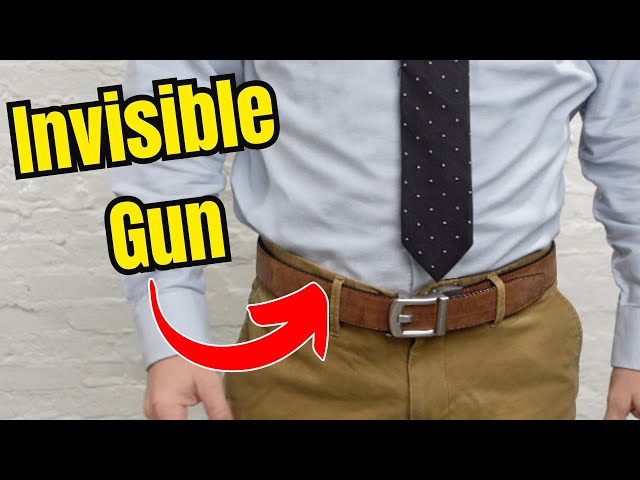
To conceal carry with a tucked-in shirt, use a tuckable IWB holster and rigid belt.
If you want to look sharp and stay discreet, you can. This guide shows how to conceal carry with a tucked-in shirt without stress, guesswork, or discomfort. I’ve carried daily in office dress clothes, on long road trips, and during hot summers. I’ll share what works, what fails, and how to set up a safe, legal, and comfortable system you can trust.
Safety, legality, and mindset come first
Carrying a gun is a serious choice. Safety is the base. Your holster must fully cover the trigger. Your belt must hold the weight and keep the gun stable. Your finger stays off the trigger until you shoot with intent and a clear target.
Know your local laws and your workplace rules. Some places do not allow carry. Others have gray areas. Read your state statutes and any posted signs. If you are unsure, ask a qualified attorney or trainer in your area.
Mindset matters. Discretion is kind. Confidence comes from training and practice. Learn how to conceal carry with a tucked-in shirt with care. Go slow. Build strong habits. Then your daily routine will feel normal and safe.
Gear that makes tucked-in carry work
The right gear makes the biggest difference. For how to conceal carry with a tucked-in shirt, start here.
- Tuckable IWB holster. Look for clips or struts that allow the shirt to tuck between the holster and clips.
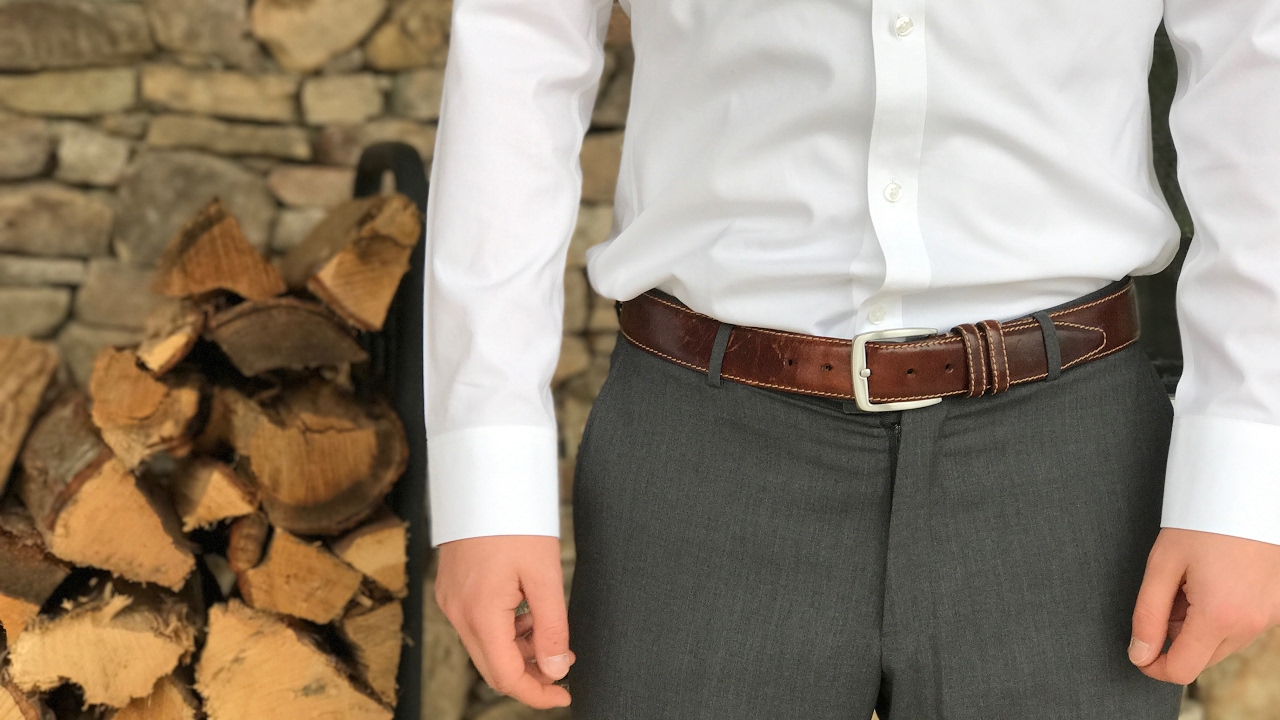
- Rigid gun belt. A 1.25–1.5 inch belt with a stiff core reduces sag and printing.
- Claw and wedge options. A claw pushes on the belt to roll the grip toward your body. A foam wedge tilts the muzzle out a bit to lay the grip flat.
- Moisture-wicking undershirt. It reduces hot spots and keeps the gun off your skin.
- Proper cover shirt. Slightly looser, darker colors, and small patterns hide lines well.
I learned fast that cheap clips fail. A quality steel or polymer clip grabs the belt and holds through long days. I also found that a thin undershirt stops rubbing and helps the tuck look clean. This is the simple base for how to conceal carry with a tucked-in shirt.

Best carry positions for a tucked-in shirt
You have a few solid options. Each has a feel and a look. Test at home with an unloaded gun and holster.
- Appendix IWB (AIWB). This is in front, around 12:30–2:00. It hides well with a claw and wedge. It can be the easiest to draw from while seated.
- Strong-side IWB (3–4 o’clock). Classic and comfy for many body types. Works well with a tuckable holster and a slight forward cant.
- Deep concealment options. Belly bands and smart tuckable trigger-guard rigs can sit lower. They are slower to draw but very discreet.
In my office years, AIWB with a small wedge gave the flattest look. For long drives, I sometimes moved to 3 o’clock. The key to how to conceal carry with a tucked-in shirt is finding a position that fits your shape and day.
Clothing strategies that cut printing
Clothing choice is a big factor in how to conceal carry with a tucked-in shirt. Small changes add up.
- Size up pants one inch. This makes room for the holster and keeps your waist comfy.
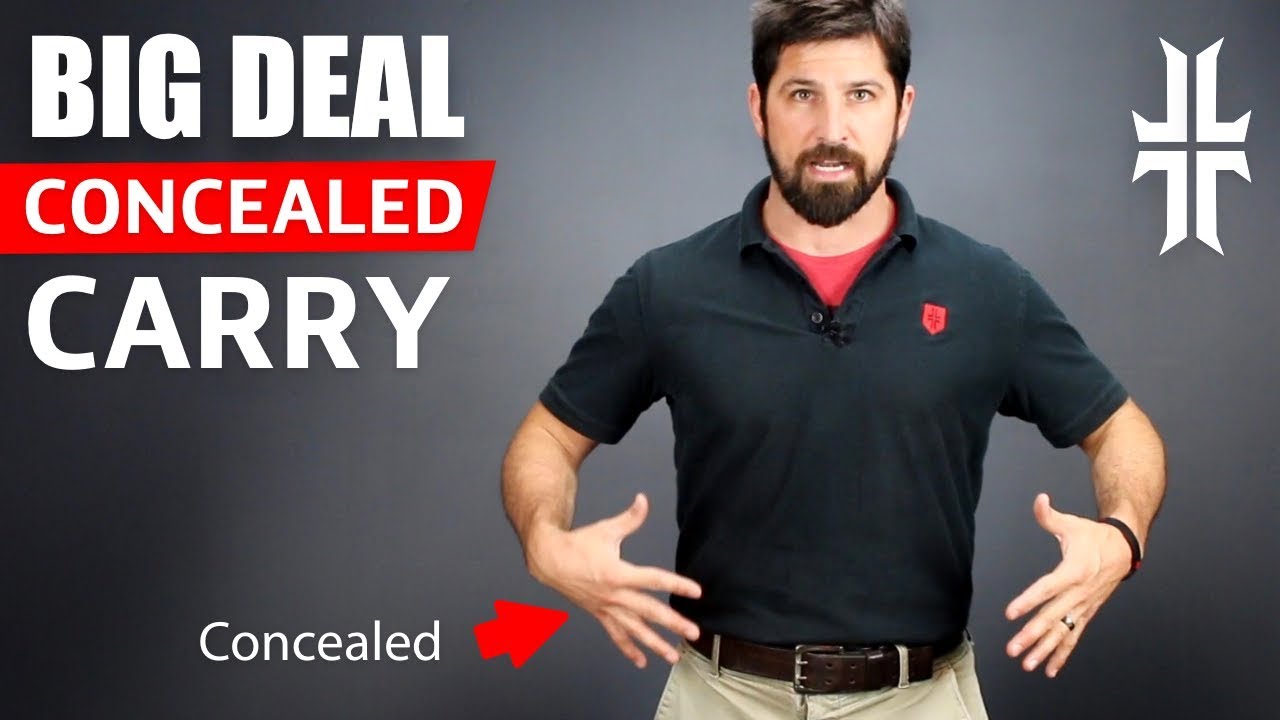
- Pick shirts with structure. Oxford cloth, twill, or performance blends hold shape and hide edges.
- Use patterns and darker colors. Micro checks and stripes break up lines. Navy and charcoal mask shadows.
- Mind shirt length. A bit more length tucks cleanly and stays put.
- Add a blazer or overshirt when you can. Layers reduce printing and offer easy concealment.
A tailor is your secret tool. A tiny bit more room at the waist and hips keeps the tuck smooth. I had two shirts altered. The change was small but the results were huge for how to conceal carry with a tucked-in shirt.

How to set up and tuck your holster
A clean setup makes daily carry easy. Here is a safe, simple process for how to conceal carry with a tucked-in shirt.
- Adjust ride height. Higher often draws faster. Lower often hides better. Start in the middle.
- Set cant. A slight forward tilt at 3–4 o’clock tucks the grip into your body.
- Position clips. Even, vertical clips keep the holster stable under a tucked shirt.
- Tuck the shirt. Slide the hem between holster body and clips. Smooth the tuck from back to front for an even line.
- Blouse the shirt. Pull a tiny bit of slack over the belt. This hides the clip tabs and reduces printing.
I test the look in bright light and in a mirror from many angles. Then I do a few sit, stand, and bend moves. If it holds, I am good. Small steps like these make how to conceal carry with a tucked-in shirt more repeatable each morning.

Draw practice with a tucked-in shirt
Practice must be safe and stress-free. Use an unloaded gun or a blue gun. Keep ammo in another room.
- Clear the garment. Hook your thumb or support hand to lift the shirt hem above the grip.
- Establish a full firing grip. Get high on the backstrap while the gun is still in the holster.
- Draw straight up, then rotate toward the target. Meet your support hand at the chest or high center.
- Reholster slow and look it in. Do not rush. Keep your finger high on the frame.
These steps are standard across many reputable trainers. A consistent clearing motion is key to how to conceal carry with a tucked-in shirt. I practice ten slow reps at night. Speed shows up later. Safety shows up first.
Comfort tips for long days and hot weather
Comfort helps you stick with the plan. Here is what helped me most.
- Use a soft wedge. It spreads pressure at the pelvis and tips the grip inward.
- Try a sweat guard. It keeps metal off skin and protects finish.
- Rotate positions for long drives. Small shifts keep hot spots away.
- Choose breathable fabric. Lightweight undershirts and performance dress shirts feel cooler.
In July heat, I switch to a thinner AIWB holster with a slim wedge. I also carry a microfiber cloth to dry off. That small habit keeps the shirt line crisp and supports how to conceal carry with a tucked-in shirt each day.
Common mistakes and quick fixes
Many problems have simple fixes. Here are the top ones I see when people ask how to conceal carry with a tucked-in shirt.
- Printing at the grip. Add a claw or wedge. Adjust cant or ride height one notch.
- Sagging belt line. Upgrade to a stiffer belt. Tighten one hole if safe and comfy.
- Hot spots on hip bone. Shift the holster half an inch. Add a thin foam pad.
- Shirt untucks during the day. Use a longer shirt or shirt stays. Re-blouse after bathroom breaks.
- Clips show. Try low-profile clips that match your belt color and width.
I once fought a sharp hot spot for weeks. The fix was not a new holster. It was a one-inch belt shift and a thin wedge. Small changes can make a large difference.
Workplace and social etiquette
Discretion is about behavior too. Good etiquette supports how to conceal carry with a tucked-in shirt.
- Avoid big stretches and deep forward bends. Bend at the knees to keep the tuck flat.
- Choose seats with back support. It hides the belt area.
- Carry in a dedicated spot at home. Safe storage is non-negotiable.
- Keep conversations low-key. You do not need to share that you carry.
Stay calm if you print a bit. Most people do not notice. Confidence, not fidgeting, keeps attention away. If someone hugs, turn slightly and use one arm. This keeps your holster side away without drama.
Real-world examples and lessons learned
A client lunch taught me a big lesson. I wore a thin dress shirt and a soft belt. The grip printed when I sat at a bright window. I fixed it with a better belt and a stiffer shirt fabric. That small change made the next lunch smooth.
On long commutes, AIWB rubbed my thigh. A half-inch height drop and a soft wedge solved it. This is how to conceal carry with a tucked-in shirt in real life. Adjust one variable at a time. Keep notes for a week. The pattern will show you what to change.
Training, testing, and ongoing checks
Routine matters. Build a simple checklist and stick to it. It keeps you safe and consistent.
- Weekly dry practice. Ten slow draws with an unloaded gun, focusing on clearing the shirt.
- Monthly gear check. Tighten screws. Inspect clips. Replace worn hardware.
- Seasonal clothing test. Try each new shirt in bright light. Sit, stand, and bend in a mirror.
- Continuing education. Take a reputable class once a year. Refresh safe handling and draw skills.
These habits protect you and those around you. They also help you master how to conceal carry with a tucked-in shirt without stress.
Frequently Asked Questions of how to conceal carry with a tucked-in shirt
What is the best holster for a tucked-in shirt?
Look for a tuckable IWB holster with strong clips and a solid shell. A claw and wedge often reduce printing and improve comfort.
Can I appendix carry with a tucked-in shirt?
Yes, AIWB can work very well with a tuckable holster. Use a rigid belt, fine-tune ride height, and practice a safe, consistent garment clear.
How do I stop my shirt from coming untucked?
Choose a slightly longer shirt and blouse a little extra over the belt. Shirt stays or a grippy belt can also help keep the tuck secure.
How tight should my belt be?
Tight enough to stop sag and hold the holster still, but not to cause pain. A quality gun belt often feels more stable with less tightness.
What if my gun still prints at the grip?
Add a claw or a foam wedge and adjust cant or height one notch. Darker, patterned shirts can also break up the outline.
Is it safe to reholster under a tucked-in shirt?
Yes, if you go slow, look the gun into the holster, and keep fingers clear. Do not force the gun past clothing or obstructions.
Do I need to size up my pants?
Often, yes. One waist size up makes room for the holster and helps maintain comfort and a clean tuck.
Can I carry at work with a tucked-in shirt?
It depends on your workplace policy and local laws. Read the rules and choose a low-profile setup if allowed.
Conclusion
Dressing sharp and carrying discreetly can live together. With a tuckable holster, a rigid belt, smart clothing picks, and safe practice, you can master how to conceal carry with a tucked-in shirt in daily life. Small changes in ride height, cant, and fabric pay off fast.
Start with a safe setup at home. Test one tweak at a time. Build your routine and confidence. If you found this helpful, subscribe for more practical carry tips, or leave a comment with your setup and what solved your biggest printing problem.