You usually cannot have a suppressor shipped to your house. Most transfers must be done in person through a licensed dealer after ATF approval.
That may sound strict, but it protects you. This guide explains how to have a suppressor shipped to your house the right way, when it’s allowed, and what to expect at each step. I’ve helped many first-time buyers complete a Form 4 and avoid delays. You’ll get plain-language answers, smart tips, and real examples so you can stay legal and feel confident from day one.

What the law actually allows
If you want to know how to have a suppressor shipped to your house, here is the key point. In almost every purchase, a suppressor must be transferred to you in person by an in‑state FFL/SOT dealer after the ATF approves your Form 4 and tax stamp. That transfer includes federal paperwork, identity checks, and dealer records. Because of those rules, dealers almost never mail a suppressor to your home.
There are narrow cases where shipment to your home can be legal:
- A manufacturer or gunsmith can return your own suppressor to you after repair or warranty work, subject to carrier policies and state law.
- A private in‑state transfer approved on a Form 4 may be shipped to the transferee, but only after final ATF approval, and only if the shipment follows all carrier rules and state restrictions. Many carriers still limit who can ship suppressors.
If you take one thing from this guide, let it be this: do not try to shortcut the in‑person dealer transfer. It can put your purchase, your money, and your rights at risk.
The legal path to ownership, step by step
Here is a clean, proven path that satisfies the law and gets you shooting sooner.
- Check your state law. Suppressors are not legal everywhere. Confirm you can possess one and that your purchase path (individual or trust) is lawful in your state.
- Choose a local FFL/SOT. This is the dealer who will receive, hold, and transfer your suppressor after approval.
- Pick your suppressor. You can buy from your dealer or an online seller who ships it to your dealer’s SOT.
- Decide: individual or NFA trust. A trust can make sharing easier but takes careful setup. Names and addresses must match exactly.
- File ATF eForm 4. Provide fingerprints, photos, and pay the $200 tax. Your dealer will guide you. Keep copies of every document.
- Wait for approval. Average eForm 4 times vary. Plan on a few months. Your dealer will get the approval first.
- Complete the in‑person transfer. You will fill out ATF Form 4473 at the dealer. A NICS check may be exempt under federal rules, but some states require one anyway. Bring your ID that matches your eForm.
- Take it home and store it safely. Keep a digital and paper copy of your approved Form 4 with the suppressor.
If you came here asking how to have a suppressor shipped to your house, this is the usual route. It ends with an in‑person pickup, not a box at your door.
 shipping to your home can be lawful”
style=”max-width: 100%; height: auto; border: 2px solid black; border-radius: 10px; display: block; margin: 0 auto;”
loading=”lazy”
/>
When shipping to your home can be lawful
There are a few lawful scenarios where a suppressor can arrive at your door. Each one is narrow and must follow strict rules.
Repair or warranty return
- You may ship your registered suppressor to a manufacturer or licensed gunsmith for repair and have it shipped back to you. Include a copy of your approved Form 4 and follow their RMA process.
- Returns should follow carrier rules, require adult signature, and be insured. Keep your paperwork with the package info.
Approved private in‑state transfer
- After a private in‑state Form 4 is approved with you named as the transferee, the transferor may send it to you, if allowed by carrier policy and state law.
- Many carriers restrict suppressor shipments to licensees only. Confirm in writing before you ship or accept a shipment.
Moving or address changes
- Suppressors do not require an ATF 5320.20 for interstate travel, but it is wise to notify ATF of a permanent address change.
- If a dealer still holds your suppressor during the move, complete the transfer first, then address any shipping needs with the dealer and carriers. Often, a pickup at a local dealer is still the cleanest path.
If you want to know how to have a suppressor shipped to your house in these cases, the short version is: make sure the Form 4 is approved, follow carrier rules to the letter, and document everything.

Why dealers almost never ship to your house
Dealers must follow the Gun Control Act and NFA. That means:
- You must complete an ATF Form 4473 for the transfer, and that happens in person on the dealer’s premises.
- The dealer must verify your identity and record the transfer in their bound book. Some states also add their own background check step.
- Common carriers and insurers often restrict suppressor shipments to licensees, so a dealer-to-home shipment breaks both logistics and legal rules.
So, while asking how to have a suppressor shipped to your house is common, the dealer’s best (and often only) legal option is an in‑person handoff.
How to have a suppressor shipped to your house the right way
If your situation falls into a lawful exception, use these careful steps.
For a repair or warranty return
- Confirm the RMA and shipping method. Get the manufacturer’s written instructions and a return label if provided.
- Include a copy of your approved Form 4 and a cover letter with your name, address, phone, and the serial number.
- Use a carrier and service that allows suppressor shipment, add insurance, and require adult signature on delivery.
- Keep the tracking, receipts, and RMA emails with your NFA records.
For a private in‑state transfer after approval
- Wait for the approved Form 4 that names you as the transferee. Do not ship or accept shipment before approval.
- Confirm the carrier will accept suppressor shipments for nonlicensees in your state. Get this in writing.
- Require adult signature, insure the package, and avoid markings that reveal the contents.
- Keep copies of the approved Form 4, the seller’s info, and all shipping records.
These steps respect the law and help you avoid lost packages, denied claims, or violations. If any piece seems unclear, pause and call the ATF NFA Branch or your local FFL/SOT for guidance.
State law checkpoints and red flags
State rules can be stricter than federal rules. Before you plan how to have a suppressor shipped to your house, check these points:
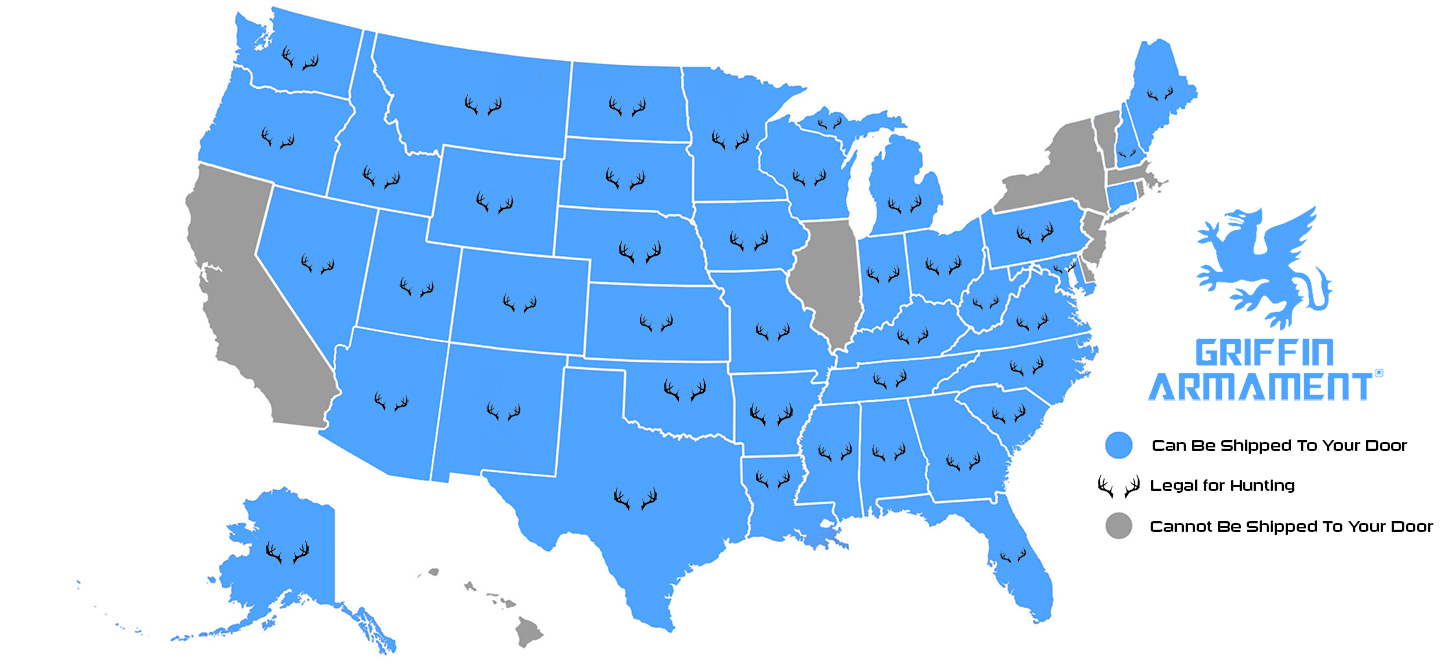
- Possession ban states. Some states and DC prohibit civilian suppressors. Common examples include CA, DC, HI, IL, MA, NJ, NY, and RI. Laws change, so verify current rules.
- Dealer transfer rules. A few states add steps at pickup, like permits or state-level checks.
- Hunting and transport. Separate rules can cover hunting use, vehicle carry, and range transport. Keep a copy of your Form 4 with you.
If your state bars suppressors, you cannot buy, possess, or receive one by mail. Do not try to route a package through a friend or another state. That can create serious legal trouble.
Timelines, costs, and what to expect
Planning ahead reduces stress while you wait.
- Tax stamp. $200 per suppressor, paid with your eForm 4.
- Wait times. eForm 4 approvals often range from a few weeks to several months. Expect variance.
- Dealer fees. Some dealers charge transfer or storage fees. Ask up front.
- Shipping. For repairs or private shipments, add carrier costs, adult signature fees, and insurance.
- Accessories. Budget for a proper mount, thread adapter, and a torque tool if needed.
In my experience, buyers who plan their budget and timeline early feel calmer. They also avoid risky shortcuts while asking how to have a suppressor shipped to your house.
Common mistakes to avoid
- Trying to ship or receive a suppressor before the Form 4 is approved.
- Assuming a dealer can mail it after approval. The in‑person 4473 step still applies.
- Ignoring carrier rules. Some carriers will refuse or destroy shipments that break policy.
- Using the wrong name or address on forms. Details must match exactly.
- Moving mid‑process without telling your dealer and the ATF.
- Skipping insurance or adult signature on a return shipment.
- Failing to keep records. Save stamps, tracking numbers, and approvals.
If you are learning how to have a suppressor shipped to your house, avoiding these errors will save time and protect your rights.
Practical tips from experience
- Build a digital folder. Store your eForm 4, passport photo, fingerprints confirmation, and dealer emails.
- Ask your dealer for status check windows. Set reminders so you are not calling daily.
- Verify carrier policy in writing. It can change without notice.
- Use discreet packaging for any lawful shipment. Fewer eyes, fewer questions.
- Keep a copy of your Form 4 with the suppressor. A photo on your phone helps too.
- If timing matters, choose a popular model. Common suppressors often move faster through dealers and support networks.
Small steps like these make a big difference, especially when you want to know how to have a suppressor shipped to your house without hiccups.
Frequently Asked Questions
Can a dealer mail my suppressor to my home after approval?
No. Federal rules require an in‑person transfer with ATF Form 4473 at the dealer. That step cannot be done by mail.
Is a NICS check required when I pick up my suppressor?
A 4473 is required, but a NICS check may be exempt for approved NFA transfers under federal law. Some states still require a background check.
Can a manufacturer send my repaired suppressor back to my house?
Yes, manufacturers can return your own property after repair. They and you must follow carrier rules, state law, and use adult signature.
Can I receive a suppressor by mail from a private seller in my state?
Only after your Form 4 is approved and only if the carrier permits it. Many carriers restrict suppressor shipments to licensees, so confirm first.
Do I need to file a 5320.20 to move with my suppressor?
Not for suppressors, but you should notify ATF of a permanent address change. Check your new state’s laws before moving.
Conclusion
If you came here to learn how to have a suppressor shipped to your house, the safe takeaway is simple. Most purchases end with an in‑person pickup at your local FFL/SOT after an approved Form 4. Shipping to your home is rare and limited to narrow cases like repair returns or some private in‑state transfers, and only when carrier policies allow.
Plan your path, verify each step, and keep clean records. That is how you protect your investment, your time, and your rights. If you found this helpful, subscribe for more clear guides, or leave a comment with your next question.