Most concealed carriers make legal, holster, and training errors that raise risk.
You carry to protect life. Still, common concealed carry mistakes turn good intent into real danger. I’ve trained with skilled instructors and coached new carriers for years. This guide breaks down common concealed carry mistakes, why they happen, and how to fix them with simple, proven habits. Read on for clear steps you can use today.
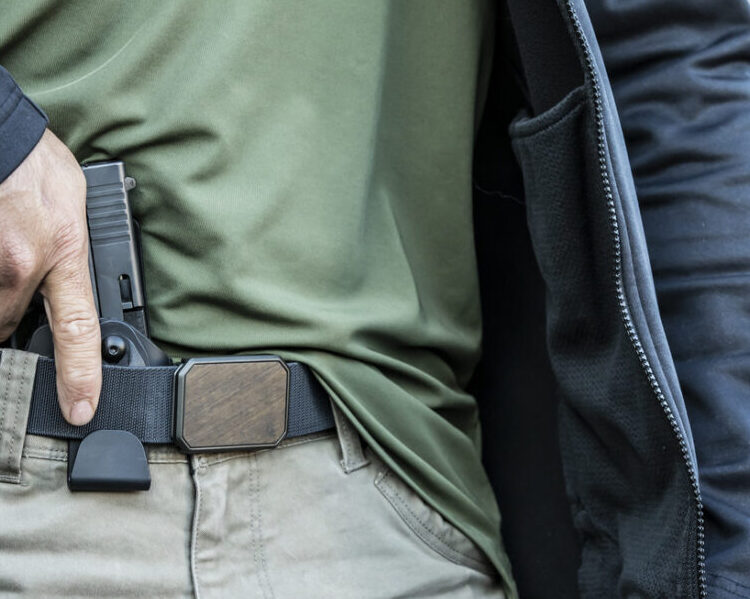
What most people get wrong from day one
The first problem is sloppy safety. Some folks skip a chamber check. Others rush reholstering and press the trigger by mistake. A small lapse can change a life.
Here are early common concealed carry mistakes I see most:
- Touching the gun in public to “check it.” This draws eyes and can be risky.
- Finger on the trigger when it should be off and high on the frame.
- Fast reholstering. Holstering is not a race. Take your time and breathe.
- Carrying with no plan for kids, pets, or visitors in the home.
I watched a new carrier push hard on a soft holster. The trigger snagged. We stopped in time, but it was close. Many common concealed carry mistakes start with poor gear and rushed moves. Slow is smooth. Smooth is safe.

Legal traps that catch good people
Laws vary by state and city. Assume nothing. Read your state code and your city rules. Do it on official sites. If you travel, study reciprocity and transport rules before you go.
Frequent legal common concealed carry mistakes include:
- Missing duty-to-inform rules. Some states require you to tell an officer you carry.
- Ignoring prohibited places. Schools, court buildings, federal sites, and posted private property may be off-limits.
- Bad brandishing. Displaying a gun to win an argument is illegal in many places.
- Drinking while armed. Even small amounts can lead to huge legal trouble.
I keep a simple rule. Avoid fights. Leave early. Use your phone, your voice, and your feet first. When in doubt, get advice from a qualified attorney in your state. This is education, not legal advice.
Gear and carry setup errors
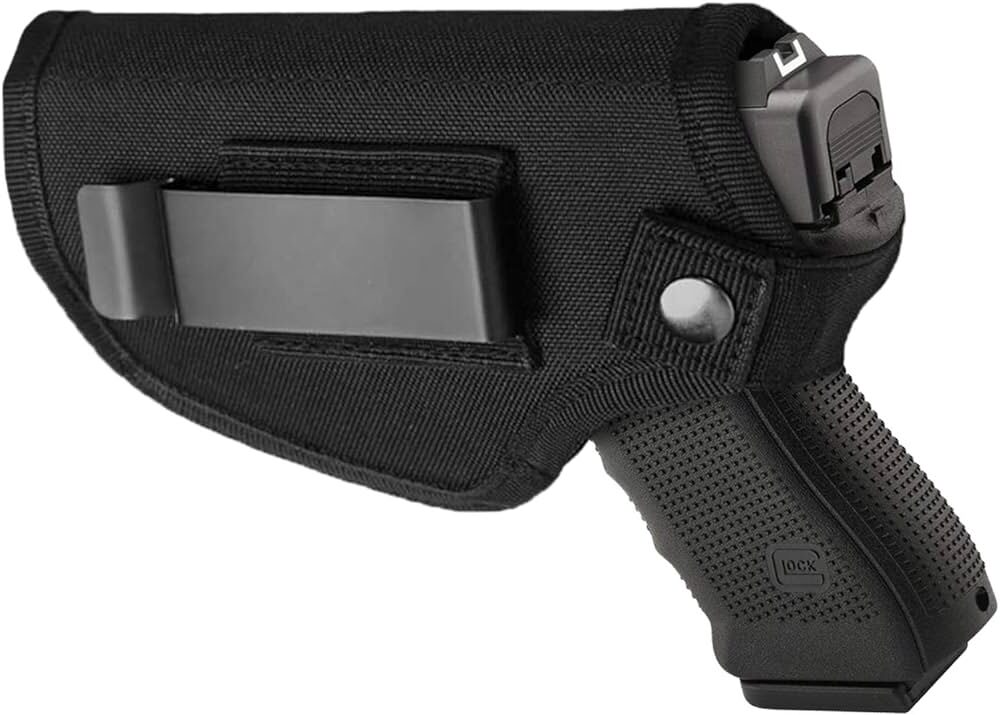
Your holster and belt are the base. If they fail, everything fails. The holster must cover the trigger, hold the gun, and allow a clear draw without collapse. Many common concealed carry mistakes come from cheap, soft holsters and flimsy fashion belts.
Fix the basics:
- Use a holster that fully covers the trigger guard.
- Choose a holster with solid retention and a mouth that stays open when empty.
- Wear a gun belt that supports weight and reduces printing.
- Dress for concealment. Patterns and layers help hide the outline.
Off-body carry in a bag adds risk. Bags get set down, grabbed, or left behind. If you choose that route, use a dedicated compartment with real retention, and keep the bag on you. I once ran a drill where a student’s purse “walked away” in seconds. It was a wake-up call.

Training gaps that matter
Many new carriers shoot a box of ammo, then stop. That is not enough. Common concealed carry mistakes often come from a lack of reps with real clothes, real belts, and daily movement.
Build smarter practice:
- Dry practice with an unloaded gun and no live ammo in the room. Focus on safety and smooth moves.
- Practice with your actual carry gear and cover garments.
- Work on safe presentation to a low-ready, not just fast shots. Speed comes from clean motion.
- Train de-escalation. Words and distance can save you from a gunfight you never wanted.
Low light and one-handed use are often ignored. Yet most real problems do not happen on a sunny range. Think about flashlights, phone use, and movement. Keep sessions short, safe, and steady.

Mindset, awareness, and judgment
A gun is for last resort defense of life. That is it. Many common concealed carry mistakes start with ego, anger, or tunnel vision. Your goal is to avoid, defuse, and escape.
Practical mindset tips:
- Keep your head up. Notice exits, people, and problems early.
- Do not chase, argue, or “teach lessons.” Walk away.
- If you draw to stop a threat, call 911 as soon as safe. State basic facts and request help.
- Get medical skills. A small tourniquet can save more lives than any caliber choice.
I have seen quiet awareness solve problems before they start. A small shift of position. A kind word. A quick exit. That is true carry wisdom.

Ammo, reliability, and maintenance
Another set of common concealed carry mistakes comes from bad ammo choices and poor upkeep. Your carry gun must run. Always.
Keep it dependable:
- Use quality defensive ammo made for expansion and penetration standards. Test it in your gun.
- Do not keep rechambering the same round over and over. Swap positions or replace carry ammo as needed.
- Check screws, sights, lights, and optics. Things loosen with time.
- Clean and lube per the maker’s guide. A little care goes a long way.
I once watched a fine pistol choke on old, mixed, bargain ammo in cold weather. New carry ammo solved it. Test in the conditions you live in.
Daily habits and secure storage
You need a simple routine. Many common concealed carry mistakes come from rushed mornings and tired nights. Build guardrails.
Use a habit loop:
- Morning: put on belt, holster, gun. Do a quick visual check.
- Before you enter posted places: secure your gun in a lock box, not a glove box.
- At home: handoff to a safe or lock box before you get busy or sleepy.
- Plan for restrooms. Do not unholster in a stall. Control your gear so it does not fall or print.
With kids or guests, do not trust hiding spots. Use locked storage. You can be both ready and responsible.

Real-world examples and lessons learned
A student arrived with a soft, floppy holster. During a slow reholster, the material folded. The trigger began to press. We stopped and replaced the holster. Lesson learned: stiff mouth, full trigger cover, and patience prevent many common concealed carry mistakes.
On a road trip, a friend crossed into a state with different rules. His permit did not carry over. He pulled into a rest stop and locked his gun in a secure box before crossing. He had studied the rules the night before. That small act avoided a big legal mess.
Another carrier adjusted his gun in a checkout line. The clerk noticed and grew alarmed. He switched to a better belt, set his holster ride height, and learned to leave it alone. No more attention. Less stress.
Frequently Asked Questions of common concealed carry mistakes
What is the biggest of the common concealed carry mistakes?
Skipping real training is the biggest one. Good gear helps, but skills and judgment keep people safe.
Is printing illegal in most places?
Printing is not a crime in many states, but it can draw attention. Know your local laws and aim to stay discreet.
How often should I replace carry ammo?
Rotate carry ammo at least once or twice a year, or if rounds show damage. Always test a fresh batch for function.
Do I need a special belt for concealed carry?
Yes, a purpose-built belt supports the weight and reduces movement. It also helps prevent printing and gear failure.
What should I say to 911 after a defensive use?
State your name, location, and that you were attacked and need police and medical help. Then follow instructions and wait somewhere safe.
Are off-body options part of common concealed carry mistakes?
They can be if the bag lacks retention or control. If you choose off-body, use a secure compartment and keep it on you at all times.
How do I avoid negligent discharges while reholstering?
Go slow, watch the holster, and keep your finger off the trigger. If anything snags, stop and fix the issue before you continue.
Conclusion
Carrying a gun is a promise to protect life with care and restraint. Avoid the common concealed carry mistakes that start with bad holsters, weak training, and poor legal habits. Build safe routines, test your gear, keep learning, and stay humble.
Your next step is simple. Audit your setup this week, book a skills class, and review your state laws. If this helped, subscribe for more guides, share it with a friend, or leave a question so we can grow together.