Yes, Glocks have three internal safeties but no external manual safety.
If you have ever asked do glocks have a safety?, you are not alone. I have spent years around Glock pistols on the range, in classes, and in armorer briefings. In this guide, I explain how Glock’s safety system works, how it compares to other handguns, and how to handle one with care and confidence. Stay with me as we clear up myths and give you practical tips you can trust.
What “safety” means on a Glock
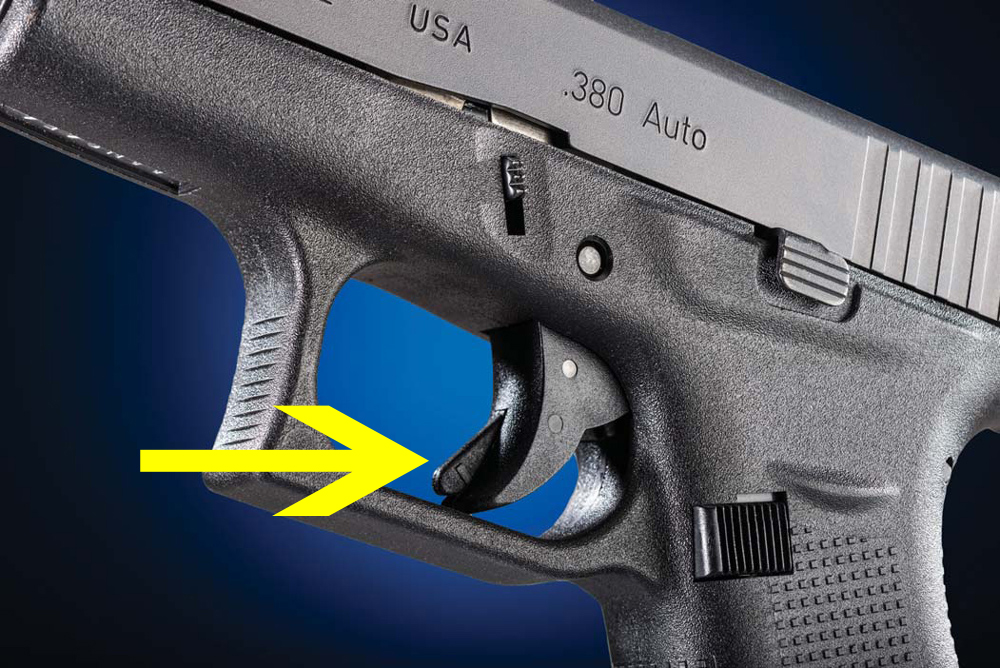
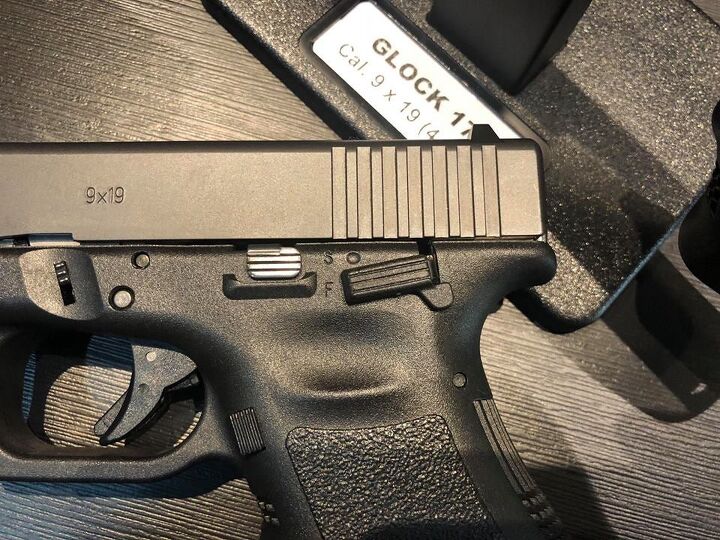
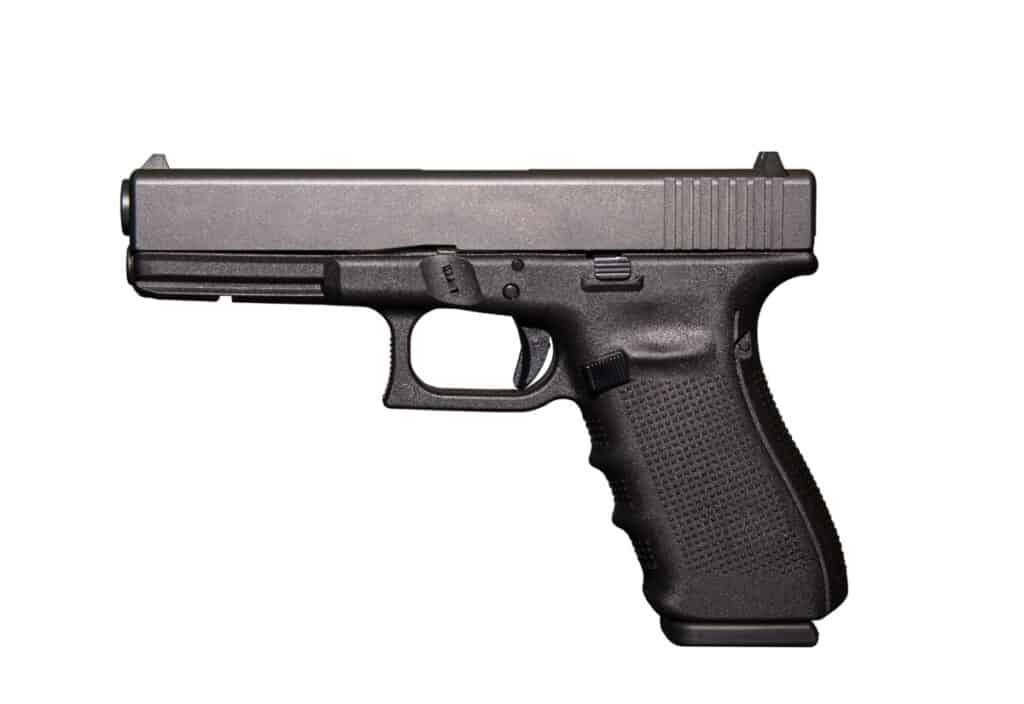
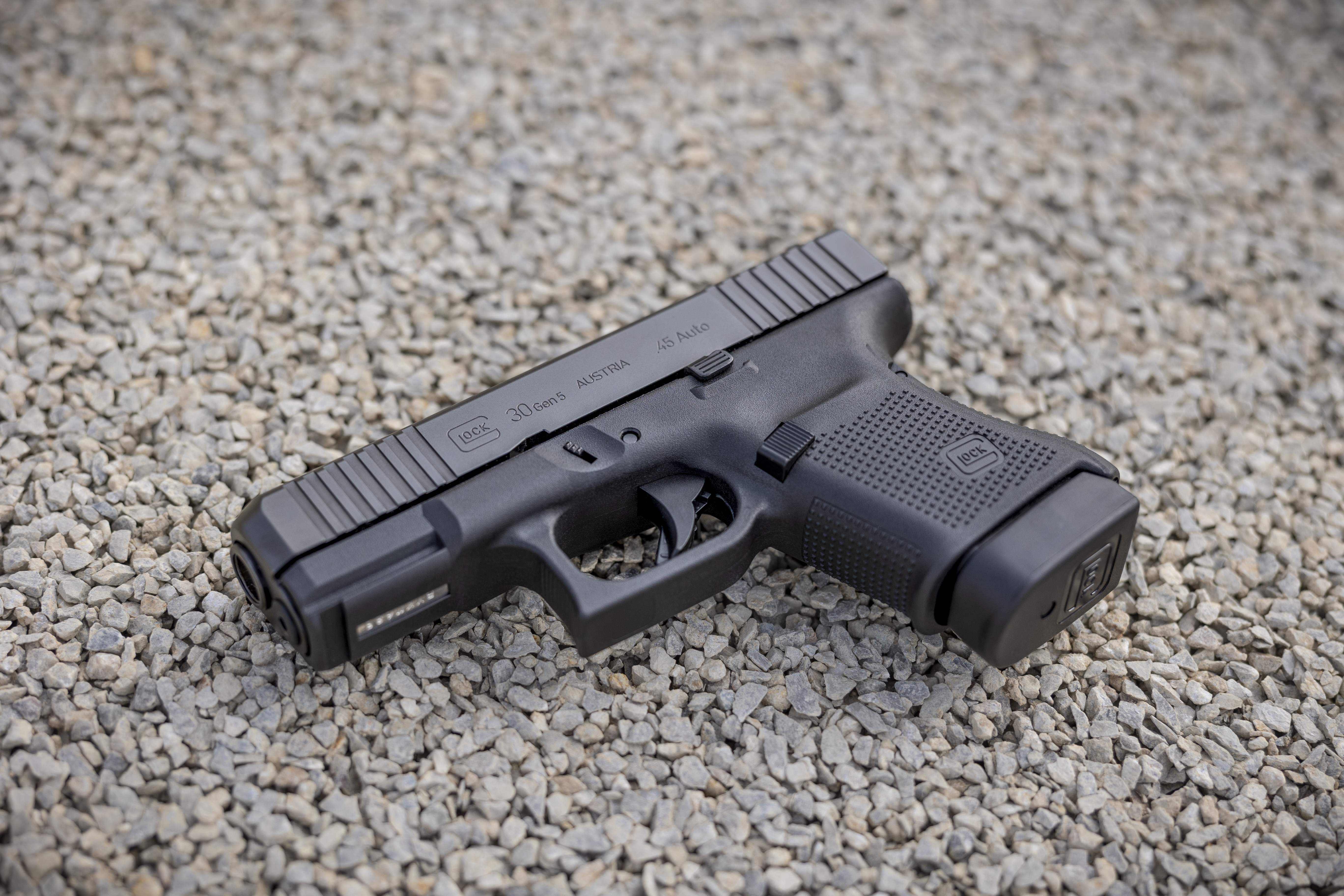
When people ask do glocks have a safety?, they often mean a thumb lever or a switch on the frame. Most Glock pistols do not have that external manual safety. Instead, they use a built‑in Safe Action System that blocks the gun from firing unless the trigger is pressed.
This can sound odd at first. Many new owners hear the claim and wonder again, do glocks have a safety? Yes, they do. It just works under the surface, not as a button you flip.
Glock’s approach shifts the focus to safe handling. The trigger must be pressed on purpose for the gun to fire. If you drop it or bump it, the internal safeties keep the firing parts locked.
Inside Glock’s Safe Action System
Glock’s Safe Action System uses three independent, automatic safeties. They reset every time the slide cycles. You do not need to flip anything on or off.
Trigger safety
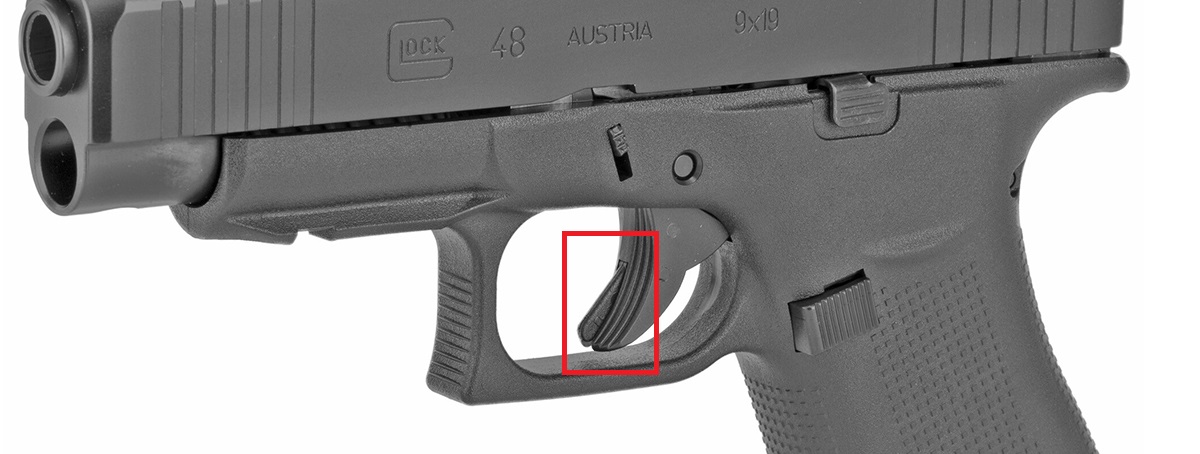
The trigger has a small center lever. It must be pressed in line with the trigger to move. This helps stop side bumps or snags from moving the trigger.
Firing pin safety
A spring‑loaded plunger blocks the firing pin. It moves out of the way only as the trigger travels to the rear. If the gun is dropped, the plunger keeps the firing pin from moving forward.
Drop safety
The trigger bar holds the firing parts away from release. Only a full and direct trigger press lets the parts clear. This protects the gun from firing due to shock or impact.
Put together, these parts answer the question do glocks have a safety? with a solid yes. They act as a system that prevents discharge unless the trigger is pressed the right way.
Are there any Glock models with a manual safety?
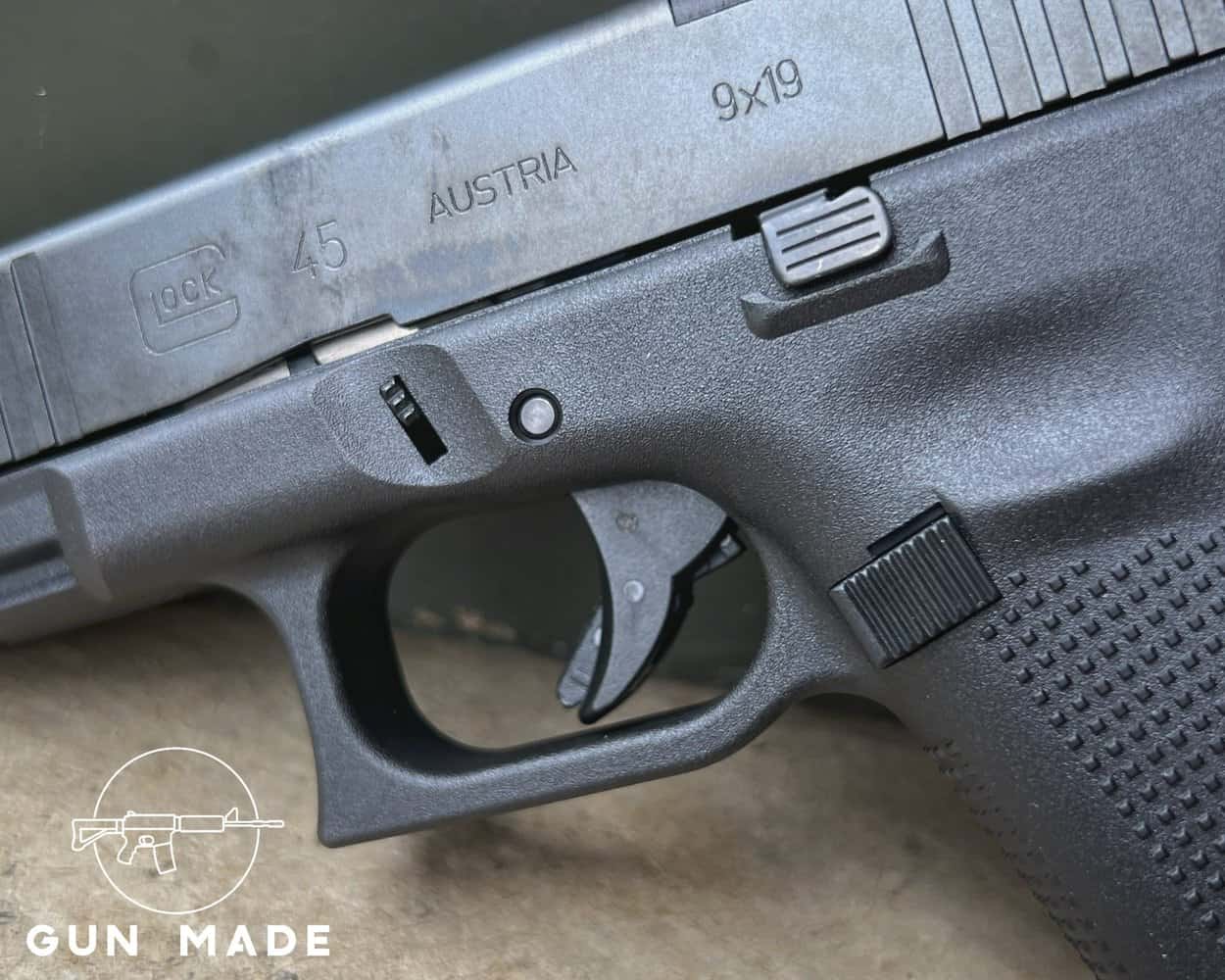
For civilian models in the United States, the standard answer is no. Some rare contract or test pistols were built with an external safety for military trials. Those were not common consumer models.
There are aftermarket parts that add a lever or a block. These change the design and may void warranties. If you ask do glocks have a safety? the short answer is that factory Glocks rely on the Safe Action System, not a manual lever.
Many current models include a loaded chamber indicator through the extractor or a witness port. That helps you check status. It is not a manual safety and should not replace safe handling.
How Glock safety compares to other pistols
Handguns use different ideas to reach the same goal. A 1911 has a thumb safety and a grip safety. Some striker‑fired pistols add an optional thumb safety. Others use only internal safeties.
Glock keeps it simple with internal parts and a consistent trigger. There is no lever to forget under stress. If you still wonder do glocks have a safety?, think of it this way: the safety is built in and always on until you press the trigger.
No design cancels the need for good habits. A lever can help some users. A consistent trigger can help others. The best match is the one you train with and can run well.
Practical safety habits with Glocks
If you wonder do glocks have a safety?, remember this truth first. You are the primary safety. Your habits matter more than any part inside a slide.
Here are simple habits that make a big difference:
- Keep your finger off the trigger until your sights are on target and you decide to shoot.
- Use a rigid holster that fully covers the trigger guard.
- Re‑holster slowly and look the gun in, watching for clothing or cords near the holster mouth.
- Store your gun in a locked safe or locked case when not in use.
- Follow a clear routine for handling, and point in a safe direction at all times.
Personal note from the range. I once saw a shooter catch a sweatshirt string in the holster. The holster covered the trigger, but the string did not. We stopped, cleared the area, and fixed the setup. The lesson was simple and it applies to every Glock owner: control the space around the trigger guard.
Dry practice can help your trigger control. Do it with no ammo in the room and a safe backstop. Build the habit of an empty trigger finger and smooth presses.

Common myths and misunderstandings
You may hear extreme claims tied to do glocks have a safety? Let’s set the record straight with clear facts.
- Myth: Glocks fire if you drop them. Fact: The firing pin safety and drop safety block movement from impact.
- Myth: The trigger safety is a gimmick. Fact: It helps stop off‑angle bumps from moving the trigger.
- Myth: You do not need a holster. Fact: A good holster that covers the trigger guard is vital.
- Myth: All safeties should be external. Fact: Many modern pistols rely on internal safeties, and they work when used with sound habits.
- Myth: You can ignore training with a Glock. Fact: No gun cancels the need to learn and practice.
Legal, policy, and training notes
Laws vary by state and country. Some places set rules for storage, transport, or features like loaded chamber indicators. Know your local law and follow it.
Police and security agencies set their own gear rules. Many require duty holsters with active retention. They also train press‑out, finger discipline, and slow, clear re‑holstering. If your question is do glocks have a safety?, also ask if your setup and training add layers of safety around the gun.
Quality training gives you skills you can trust when stress rises. Seek courses that teach safe handling, marksmanship, and decision making. Look for instructors who explain how Glock’s system works and how to run it well.
Frequently Asked Questions of do glocks have a safety?
Do Glocks have a manual safety I can flip on and off?
Most Glock models do not have an external manual safety. They use three internal safeties that stay on until the trigger is pressed.
Is a Glock safe to carry with a round in the chamber?
Yes, when used with a proper holster that covers the trigger guard and sound handling. The internal safeties help prevent discharge from bumps or drops.
Can I add a manual safety to my Glock?
Some aftermarket parts exist. They change the design, may void warranties, and should be installed and tested by a qualified gunsmith if you choose that path.
What is the Safe Action System?
It is Glock’s three‑part safety setup. It includes a trigger safety, a firing pin safety, and a drop safety that work together.
How do I check if my Glock is loaded?
Many models have a loaded chamber indicator on the extractor or a small port. Always confirm with safe handling and do not rely on one feature alone.
Why do some people say Glocks have no safety?
They are talking about the lack of an external switch. The gun still has internal safeties that block firing parts until the trigger is pressed.
Are Glocks more likely to have negligent discharges?
Negligent discharges come from unsafe handling, not a brand. Training, a good holster, and strict trigger discipline reduce risk across all pistols.
Conclusion
Glocks do have a safety, and it works inside the gun every time you rack the slide. The trigger safety, firing pin safety, and drop safety protect against bumps and drops. Your habits, your holster, and your training complete the system.
If this guide helped answer do glocks have a safety?, take the next step. Audit your gear, book a quality class, and build simple, repeatable habits. Want more clear, practical guides like this? Subscribe for updates or drop your questions in the comments.