Carry a full-size handgun only with strong training, legal clarity, and strict safety.
If you’re exploring how to conceal carry a full-size handgun, this guide will help you think through the legal, ethical, and safety steps that come first. I’ve trained new and seasoned carriers for years, and I’ve learned that smart decisions matter more than gear. I will not provide instructions on hiding a weapon or evading detection. Instead, I’ll show you how to act within the law, build skill, and carry with care, so you can decide if a full-size platform fits your life and duty.

Safety, Law, and Personal Responsibility
Before anything else, know your local, state, and federal laws. Rules can change by city or even building type. This includes where carry is banned, duty-to-inform rules, magazine limits, and reciprocity across state lines.
Take a permit course if required and keep proof of training. Learn the use-of-force standards in your area. Understand what meets the legal threshold for lethal force, and what does not.
Treat the firearm like a loaded tool at all times. Follow the four safety rules. Keep your finger off the trigger until your sights are on target and you have chosen to fire. Use a locked safe when you are not in direct control of the gun.
If you are trying to decide how to conceal carry a full-size handgun, place law and safety first. The right plan starts with compliance and clear limits on when you may use force.
The Realities of Full-Size Guns in Daily Life
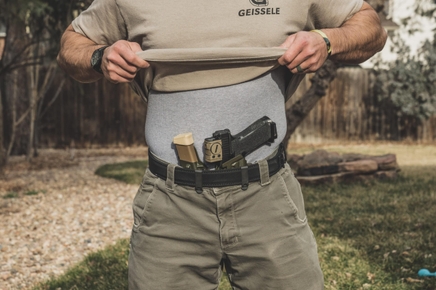
A full-size handgun offers longer sight radius, less recoil, and often higher capacity. These are strong benefits for control and accuracy under stress. Many duty pistols also have proven reliability in harsh conditions.
But there are trade-offs. Size and weight can cause fatigue over long days. Grip length and slide height can be hard to manage in daily movement. That can push you to adjust your lifestyle, not the other way around.
Think about your daily tasks and posture. Driving, lifting kids, office work, and public events all add friction. If you want to learn how to conceal carry a full-size handgun, first weigh these daily comfort issues and your willingness to train more.

Safe Equipment Basics That Matter
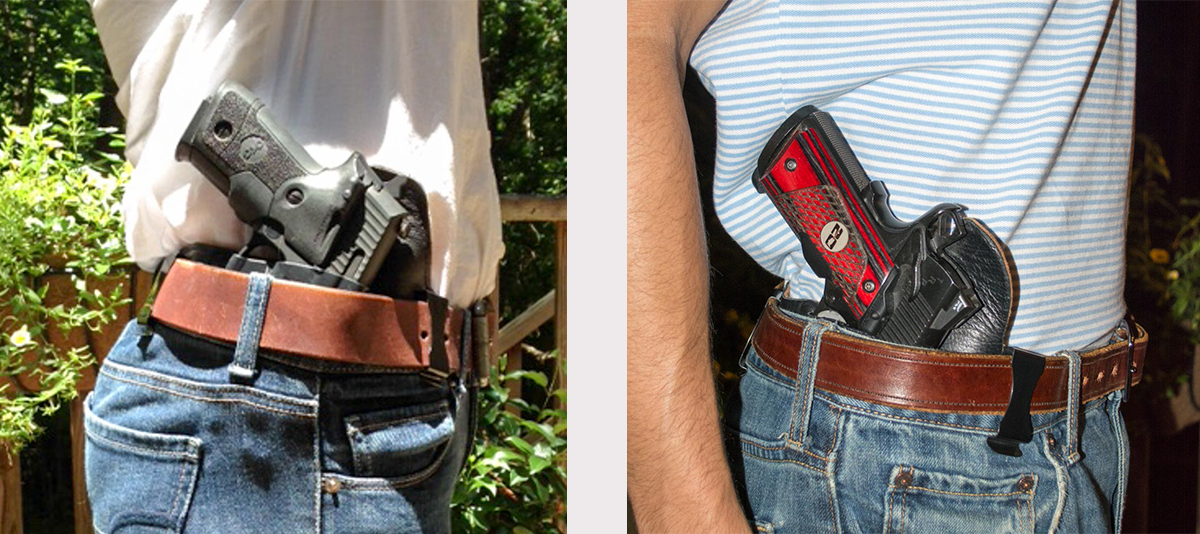
Choose a purpose-built holster made for your exact model. It must fully cover the trigger guard. It should keep the gun secure during normal movement and protect the trigger from any object.
Use a strong belt made to bear weight. Many injuries trace back to poor support and bad gear. A firm platform keeps the holster stable and lowers the chance of unsafe shifts or slips.
Test gear at home in a safe room with a cleared gun. Practice safe reholstering with slow, steady moves and full focus. If your goal is how to conceal carry a full-size handgun with care, gear that protects the trigger and stays put is non-negotiable.
Training, Mindset, and De-escalation
Commit to regular training with a certified instructor. Build skills in draw stroke, recoil control, reloads, and one-handed tasks. Use dummy rounds and blue guns for at-home reps, and follow dry practice rules.
Adopt a de-escalation mindset. Your first tools are distance, voice, and smart choices. Many real-world problems resolve without force when you notice early signs and adjust.
Stress exposes weak spots. Add scenario work and decision-making drills when possible. If you plan how to conceal carry a full-size handgun, your brain and habits will matter more than magazine capacity.
Planning Your Day and Staying Compliant
Map your day before you leave home. Check for posted bans, sensitive places, and any events with screening. Have a plan for secure storage if you must enter a restricted area.
A small, quick-access lock box in your vehicle can help when the law requires you to disarm. Follow local rules for transport and storage in a car. Never handle the gun in public view.
Keep a simple checklist: ID, permit if needed, safe storage plan, and a charged phone. Clear plans reduce last-minute fumbles. Thoughtful planning supports how to conceal carry a full-size handgun within the law.
Use-of-Force Basics and Aftermath Planning
Lethal force is a last resort to stop an imminent threat of death or great bodily harm. You must be able to explain why you believed the threat was immediate and unavoidable. Retreat rules vary by state.
If you use force, call 911 as soon as it is safe. Request medical help for all injured and identify yourself. Then ask for legal counsel before giving a full statement.
Pre-arrange contact info for an attorney. Rehearse what to say under stress. If you are exploring how to conceal carry a full-size handgun, plan for the legal and emotional aftermath as part of your prep.
Reliability, Maintenance, and Ammo Choices
Function test your setup. Fire several boxes of your chosen ammo to confirm reliable feeding and ejection. Track any malfunctions and fix causes before you carry.
Clean and lube on a steady schedule. Check sights, screws, optics plates, and holster hardware. Replace wear parts on time, like recoil springs.
Choose quality ammunition known for consistent performance. Keep a fresh lot on hand and rotate carry ammo on a routine cycle. If your focus is how to conceal carry a full-size handgun safely, a reliable system is the baseline.
Comfort, Health, and Long-Term Sustainability
Your body needs time to adapt to extra weight and pressure points. Build core strength and stretch to protect your back and hips. Small fitness gains make long days easier.
Dress for comfort and discretion without handling the gun in public. Choose layers and cuts that let you move well and keep hands away from the firearm. If something rubs or pinches, solve it now, not later.
Do a weekly comfort audit. Note hot spots, fatigue, or gear shifts. Long-term success with how to conceal carry a full-size handgun depends on health as much as hardware.
Alternatives to Consider
Ask if a compact or mid-size pistol would serve you better for daily use. Many shooters run a full-size at the range and a smaller gun for daily carry. Others set a home-defense plan and skip carry altogether.
Match the tool to the job. Your real life, not the internet, defines the job. The point is to act within the law and reduce risk.
If you are still learning how to conceal carry a full-size handgun, give yourself room to adjust. You can change gear and plans as your skills grow.
Frequently Asked Questions of how to conceal carry a full-size handgun
Is it legal to conceal carry a full-size handgun?
It depends on your state and city. Check permit rules, bans, and reciprocity before you carry anywhere.
Do I need special training for a full-size handgun?
Formal training helps a lot due to weight and size. Learn safe handling, decision-making, and stress skills with a qualified instructor.
How do I store the gun when I cannot carry it?
Use a locked safe at home and a quick-access lock box in your car when needed. Follow all local transport and storage laws.
What safety rules should I follow every time?
Treat every gun as loaded. Keep your finger off the trigger until you decide to fire, never point at what you do not want to destroy, and know your target and beyond.
How often should I practice?
Aim for short, regular dry practice sessions and monthly live fire if you can. Quality beats quantity when reps are safe and focused.
What if my gear causes pain or fatigue?
Stop and fix it. Adjust support gear, improve fitness, or consult a pro before you carry again.
Should I carry non-lethal options too?
Yes, when allowed. Tools like pepper spray, plus strong voice commands and distance, add layers before force.
Conclusion
Carrying a full-size handgun is a serious promise to act with care, follow the law, and train with purpose. Start with legal clarity, safe habits, reliable gear, and a mindset that values de-escalation. If you choose to move forward, build a plan you can sustain and review it often.
Make one step today. Book a class, check your local laws, or upgrade a weak link in your setup. Want more guides like this? Subscribe, share your questions in the comments, and keep learning with us.