Prioritize safety, legality, and training before considering OWB concealed carry.
If you are looking for how to conceal carry OWB, you are not alone. I’ve spent years training with vetted instructors and testing gear. This guide shares what matters most: safe habits, legal facts, and clear choices. I’ll keep it simple and real so you can make a smart, responsible plan without guesswork.
What This Guide Covers (And What It Won’t)
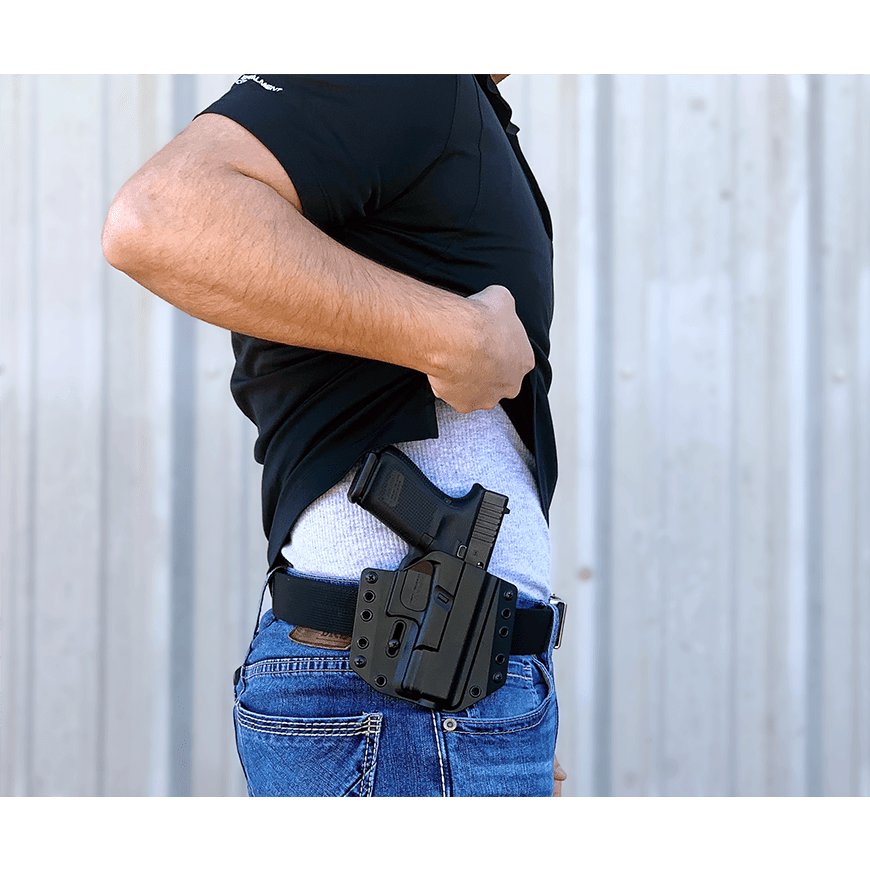
This article focuses on safe, responsible, and lawful outside-the-waistband firearm carry. It does not provide step-by-step methods to hide a firearm or advice to evade any policy, workplace rule, or law. If you came here searching how to conceal carry OWB, this guide will help you weigh risks, learn core safety, and decide if OWB fits your context.
My approach is practical and careful. I focus on safe holsters, lawful carry, solid training, and the mental side of responsibility. I will point you to choices that reduce risk, not increase it. If you need specific concealment strategies, seek qualified in-person training and follow all local laws.
If you are exploring how to conceal carry OWB, start with a strong safety and legal base before anything else.

Safety-First Principles For OWB Carry
Safety is the base layer. Build it well, then keep building it every day.
- Treat every firearm as if it is loaded.
- Keep your finger off the trigger until your sights are on target and you intend to fire.
- Never point at anything you are not willing to destroy.
- Know your target, what is in front, and what is beyond.
Reholstering is a common point of risk. Go slow. Keep the muzzle in a safe direction, and keep your finger off the trigger. If anything resists, stop. Look, clear the holster opening, and start again. Speed belongs to the draw, not the reholster.
Retention matters with OWB. Choose gear that holds the gun firmly. Practice a steady draw and a mindful reholster with safe tools and clear rules.
If you are researching how to conceal carry OWB, start with these safety habits first. They save lives.
Understanding Laws, Permissions, And Responsibilities
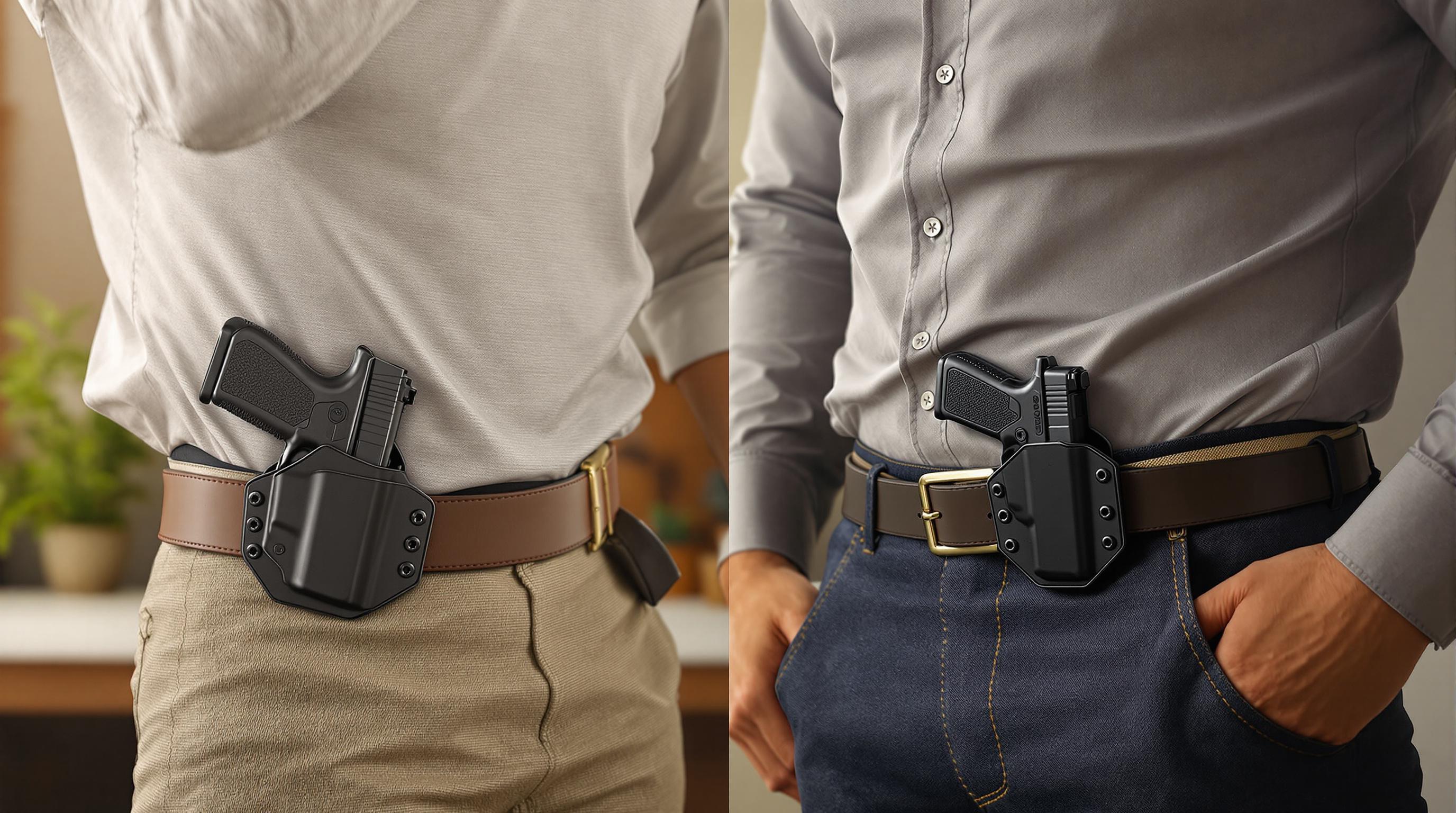
Laws vary by state, city, and even property type. Many places require a permit or license. Some mandate training. Others restrict where you can carry. Private property rules can be strict. So can workplace policies.
Before you think about how to conceal carry OWB, learn your local and state laws. Know the rules for transport, storage in vehicles, and sensitive places. Some states have a duty to inform law enforcement during a stop. Some have specific signage laws. Confirm these details with official sources or a qualified attorney.
Good judgment reduces risk. Do not carry where it is illegal or prohibited. Respect posted signs. When in doubt, do not carry.

Equipment Basics: OWB Holsters And Belts
OWB holsters ride on the outside of your waistband. They can be comfortable and fast. They also expose the gun more than many inside-the-waistband options.
Look for key safety features:
- Full trigger guard coverage to prevent any contact with the trigger.
- Adequate retention so the gun stays put during daily movement.
- Sturdy construction that keeps its shape during reholstering.
- Secure attachment to a quality belt designed to support the holster.
- Smooth, consistent draw with no sharp edges or loose hardware.
Inspect your holster often. Tighten hardware as needed. Replace worn gear. If you are exploring how to conceal carry OWB, sound equipment helps reduce accidents and keeps your focus on safe handling.
Responsible Readiness: Training, Handling, And Practice
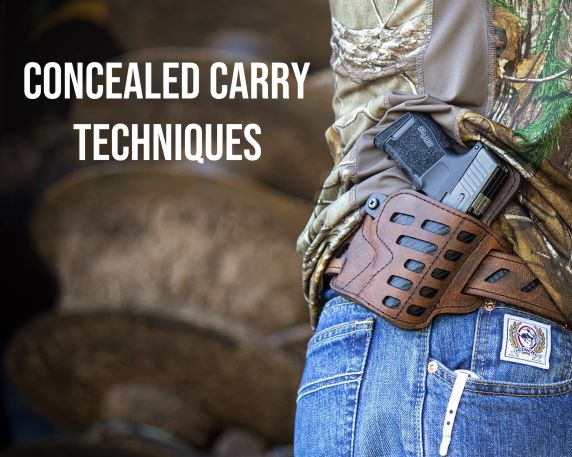
Seek reputable, in-person training. A good instructor will set safe standards, fix small errors, and coach you through stress. Dry practice with a cleared firearm can build strong habits. Remove all ammo from the room. Use a safe backstop. Follow strict routines.
Repetition builds skill. Focus on a secure grip, a clear sight picture, and smooth trigger control. Balance speed and accuracy. Safety comes first. Growth comes next.
If you are asking how to conceal carry OWB, know this: your training plan matters more than your gear plan. Make training a habit, not a one-time event.
Risk Management In Public: Awareness, Conduct, And Exposure
Your mindset should be calm and careful. Pay attention to your space. Avoid heated arguments. Use de-escalation when you can. If you carry, your goal is to avoid trouble, not find it.
Accidental exposure can happen. Laws differ on what that means. Stay calm and act within the law. Many people who ask how to conceal carry OWB really need a plan for responsible conduct in public. That plan includes obeying all rules, avoiding risky behavior, and making smart choices about where and when you carry.
If you have doubts about a place or a plan, do not carry. Your restraint is part of your safety strategy.
When OWB May Not Be Right For You
OWB can be comfortable, but it may not suit every setting. Some jobs, social events, and venues have strict rules. Some body types or activities make OWB less practical.
If you are exploring how to conceal carry OWB, consider your lifestyle. Think about your daily movements, your environment, and your wardrobe rules. Many people choose not to carry at all in certain places. Others select different lawful options. Choose what keeps you safe, legal, and at ease.

Care, Storage, And Maintenance
Clean and inspect your firearm on a regular schedule. Check springs, sights, and screws. Confirm function at the range with quality ammo. Replace parts as recommended by the maker.
Your holster and belt need care too. Look for cracks, loose hardware, and worn areas. Retire unsafe gear. When you are not carrying, store firearms locked and separate from unauthorized users. Follow local storage laws.
If you are thinking about how to conceal carry OWB, good care and storage are part of the full responsibility.
Ethical Framework And Mental Preparedness
Carrying a firearm is a moral weight. Learn the rules for use of force and defense of others. Understand what “reasonable” means in your state. The best fight is often the one you avoid.
Walk away from ego traps. Call for help early. Use clear words to warn and de-escalate when safe. Consider training in first aid. Consider lawful self-defense insurance. If you wonder how to conceal carry OWB, spend equal time asking how to be a calm, lawful, and ethical protector.
Frequently Asked Questions Of How To Conceal Carry OWB
Is OWB legal for concealed carry?
It depends on your state and local laws. Some places allow it with a permit, while others restrict it. Always verify with official sources.
Do I need special training for OWB carry?
Many states require training for a permit, and quality training is wise regardless. In-person instruction builds safe habits you cannot learn from reading alone.
How is OWB different from IWB for daily life?
OWB often feels more comfortable and can be faster to access. IWB is often easier to keep discreet. Your needs and local rules should guide the choice.
What holster features matter most for safe OWB carry?
Full trigger coverage and solid retention are must-haves. Durable construction and a proper belt keep the holster stable during movement.
What should I do if my firearm becomes visible by accident?
Stay calm, comply with the law, and avoid alarming behavior. If you must leave, depart quietly and respectfully, and review how to prevent a repeat.
Can I carry OWB at work or on private property?
Only if it is legal and the property owner allows it. Always follow posted rules and written policies.
How often should I inspect my OWB gear?
Check it before each use and do a deeper inspection monthly. Replace worn parts and tighten hardware as needed.
Conclusion
OWB carry asks for care, training, and respect for the law. Build your plan on safety first, confirm your legal footing, and choose reliable gear. Practice in a disciplined way. Keep a calm mind and a humble heart.
If you came here to learn how to conceal carry OWB, take the next step by booking reputable training and reviewing your local laws today. Share your questions, subscribe for more responsible carry insights, and join a community that values safety and sound judgment.