Gather documents, study laws, practice safe handling, gear up, and rest.
You want to know how to prepare for your concealed carry permit class in a clear, calm way. I’ve taught and taken these classes for years, and I’ll guide you step by step. By the end, you’ll feel ready, safe, and confident about how to prepare for your concealed carry permit class without guesswork.
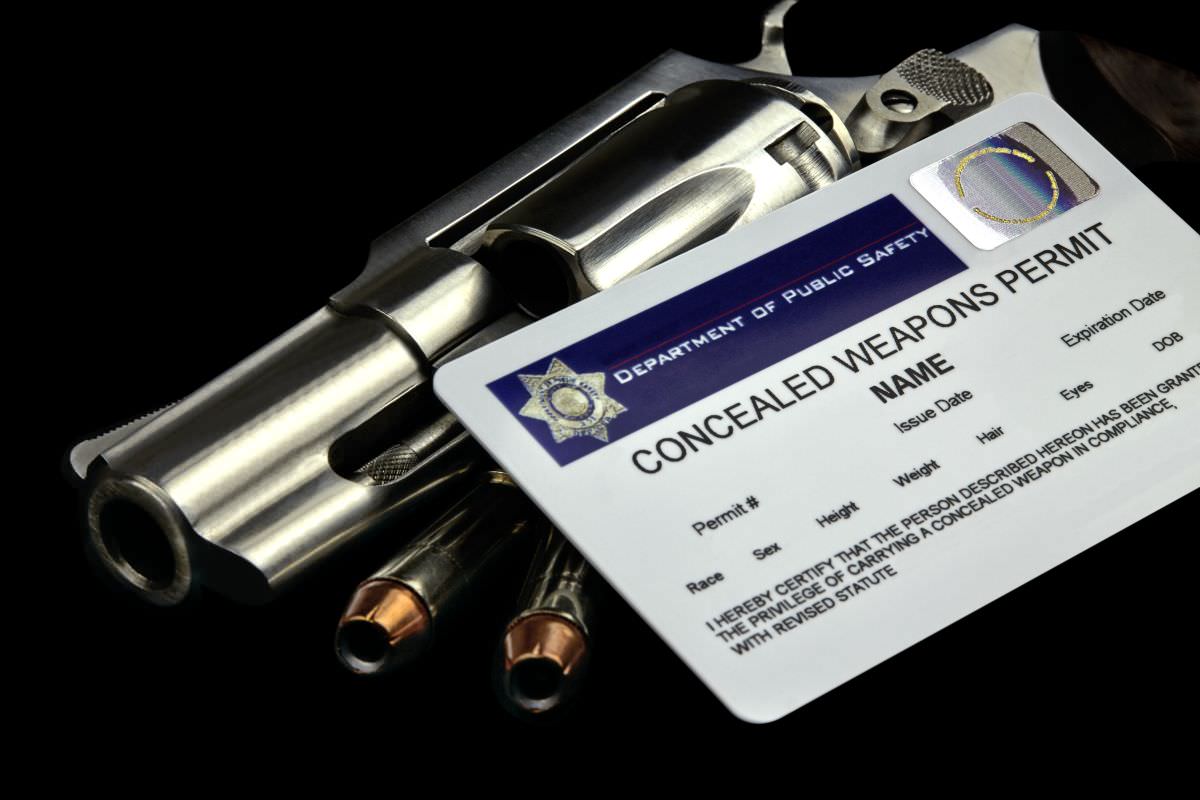
What to Expect in a Concealed Carry Permit Class
Your class will likely include safety, laws, and a shooting test. It may also have a short written exam. Plan for a full day or two half days.
You will cover:
- Core firearm safety rules and range behavior
- State laws on use of force and where you can carry
- Concealment basics and safe storage at home and in a car
- Range qualification, usually at close distances
- A brief test on laws and safety
Bring a learning mindset. Ask questions. This is the start of a long, safe journey, not the end. If you wonder how to prepare for your concealed carry permit class for best results, know what will be taught and why.
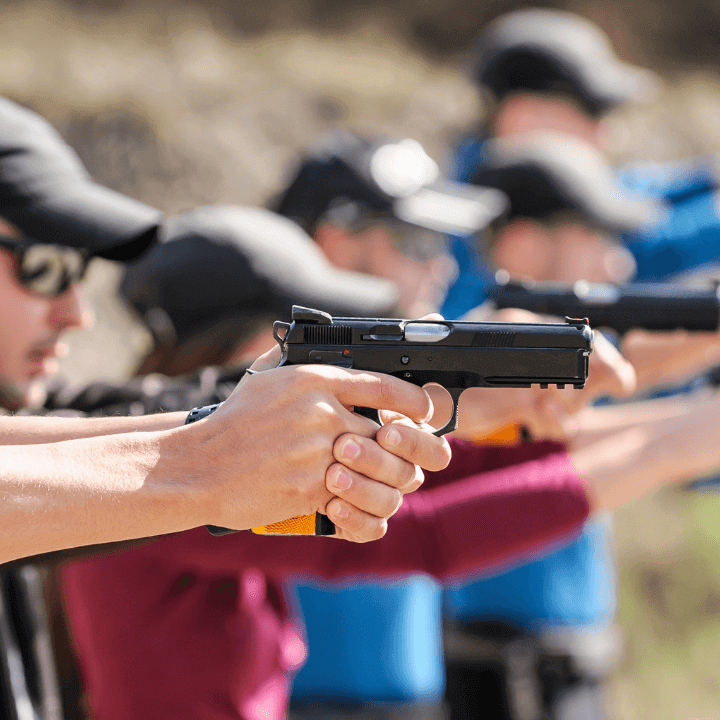
Step-by-Step Checklist: how to prepare for your concealed carry permit class
Use this simple plan to stay calm and ready. This is how to prepare for your concealed carry permit class with no stress.
- Confirm eligibility. Check age, residency, and background rules. Look at official state resources.
- Book with a certified instructor. Read reviews and class details. Save the receipt or email.
- Gather documents. Driver’s license or state ID, application forms, and payment method.
- Read your state’s carry guide. Focus on use of force, restricted places, and transport rules.
- Confirm ammo and gear rules. Some classes are gun provided. Some need your gun and ammo.
- Practice safe handling at home. Dry-fire only with an unloaded gun and no ammo in the room.
- Pack a range bag. Eye and ear protection, spare mags, water, snacks, and a small towel.
- Choose smart clothing. Closed-toe shoes, high-collar shirt, brimmed hat, and a sturdy belt.
- Bring a quality holster if allowed. It must cover the trigger and stay open when empty.
- Prep your firearm. Clean and lube it. Check sights and function. Use the right ammo.
- Sleep well and hydrate. A clear head beats a new gadget every time.
- Plan transport. Know how to move an unloaded, cased gun in your state.
This is the most reliable path on how to prepare for your concealed carry permit class and feel ready on day one.

Gear and Documents You Should Bring
Some items are a must. Others make the day smoother. Here’s a solid kit.
- Government ID and any state forms
- Payment method and class receipt
- Pen, small notebook, and a highlighter
- Unloaded handgun in a case (if class requires it)
- Two to three magazines
- Ammo per the syllabus, plus a small extra buffer
- Eye and ear protection
- Sturdy belt and approved holster if needed
- Range bag, chamber flag, and a small cleaning kit
- Water, snacks, sunscreen, and hand wipes
Check transport laws. Keep the gun unloaded and locked per state rules. If you wonder how to prepare for your concealed carry permit class with gear, start with safety and fit. Fancy tools can wait.
Safety Skills to Practice Before Class
A little practice now pays off in class. Keep it safe and simple.
Core rules:
- Treat every gun as loaded.
- Never point at anything you are not willing to destroy.
- Keep your finger off the trigger until you are ready to fire.
- Know your target and what is beyond.
Dry-fire basics:
- Triple-check the gun is unloaded. No ammo in the room.
- Pick a safe backstop. Use a small aiming point on a wall.
- Work on grip, stance, sight alignment, and a smooth press.
- Use snap caps if you like. Keep sessions short and focused.
Range skills to preview:
- Lock the slide open and show clear
- Safe loading and unloading
- Controlled pairs at close range
- Basic reloads and simple malfunction clearing
If you ask how to prepare for your concealed carry permit class in a safe way, start with these habits. They build calm and control.
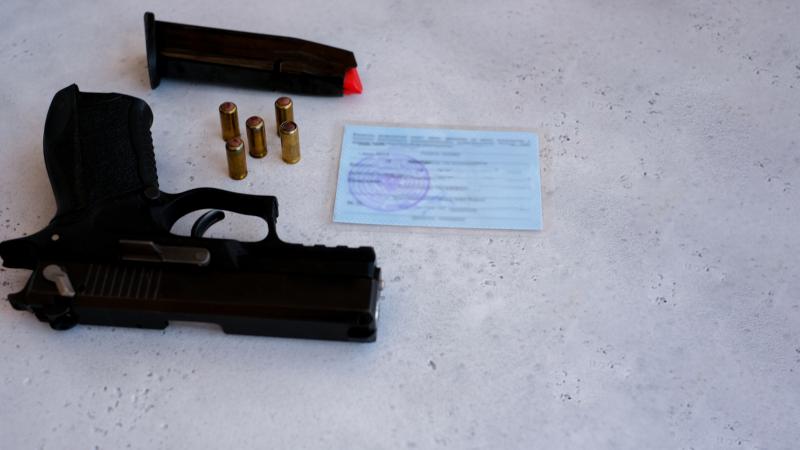
Studying the Law: Key Topics for Your Test
Laws vary by state, but key themes repeat. Focus on clarity over memorization.
Study these areas:
- Reasonable belief, imminence, and proportionality in use of force
- Defense of self and others, and limits on defense of property
- Duty to retreat or stand-your-ground, based on your state
- Brandishing, threats, warning shots, and negligence
- Prohibited places and how signage works
- Carry in cars, schools, and posted private property
- Alcohol, drugs, and firearms
- Duty to inform law enforcement if required
- Reciprocity and travel with a firearm
- What to do after a defensive incident and why to call 911
Read official state resources and training handbooks. If you need a clear way on how to prepare for your concealed carry permit class for the legal part, outline these topics and quiz yourself.
Mindset, De-escalation, and Everyday Carry Etiquette
Carrying is a choice to avoid harm, not to seek conflict. Think calm and cautious.
- Use your voice first. Create space. Leave if you can.
- Watch your surroundings. Stay in yellow, not red.
- Keep your carry private. No bragging. No showing off.
- Respect no-gun signs and property rights.
- Store guns safe at home, especially with kids.
- Be mindful on social media. Loose posts cause real trouble.
If you ask how to prepare for your concealed carry permit class beyond gear, this mindset is the key. It is the skill that keeps you out of bad spots.

Common Mistakes to Avoid in how to prepare for your concealed carry permit class
Small errors can wreck a good day. Skip these traps.
- Arriving with a loaded gun in the case
- Wrong ammo type or not enough ammo
- A flimsy holster that does not cover the trigger
- No eye or ear protection
- Not reading your state’s carry rules
- No water, no snacks, and no plan for weather
- Tight clothing that fights your draw and stance
- Little sleep and lots of nerves
These are easy fixes. If you want a smooth plan on how to prepare for your concealed carry permit class, avoid these and focus on safety.
Day-Of Game Plan: how to prepare for your concealed carry permit class
Keep the day calm and simple.
- Eat a light meal. Drink water. Bring a bottle.
- Do a gear check at home. Confirm the gun is unloaded.
- Leave early. Ask where to park and meet.
- Listen to the range brief. Follow every command.
- Take notes during the law block. Mark key terms.
- Shoot smooth, not fast. Safety beats speed.
- Review your notes before any test.
This is the clean way on how to prepare for your concealed carry permit class and walk out proud.
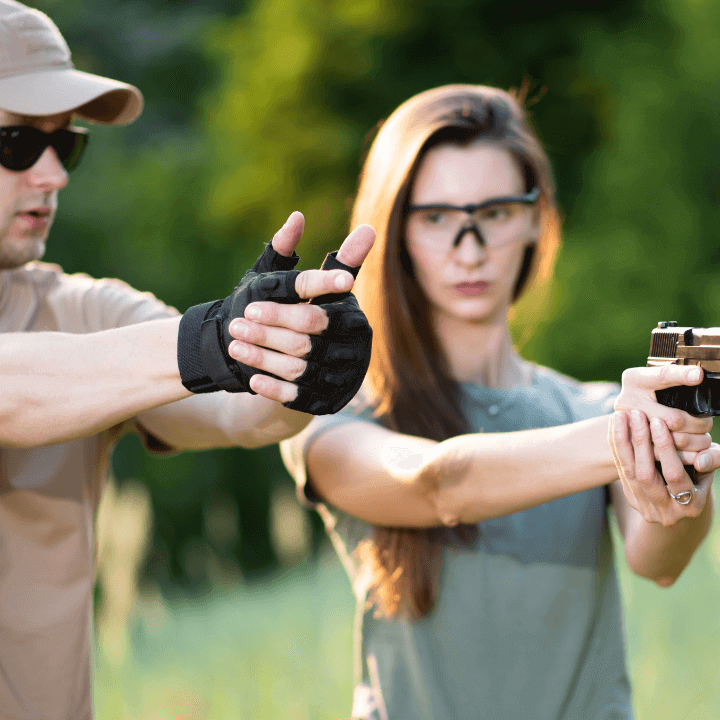
After Class: Next Steps for Your Permit and Ongoing Training
The class ends. Your journey starts. Keep the momentum.
- File your application as directed. Track fees, prints, and photos.
- Save your training certificate and receipt. Make digital copies.
- Set reminders for permit approval timelines and renewals.
- Keep reading your state updates. Laws change.
- Book follow-up training. Work on draw, movement, and low light.
- Add medical training. A simple trauma class can save lives.
- Set a weekly dry-fire plan. Short, safe, and steady.
If you ask how to prepare for your concealed carry permit class and what comes next, build habits. Skills fade without practice.
Frequently Asked Questions of how to prepare for your concealed carry permit class
How much ammo should I bring?
Follow the class email or syllabus. If unsure, bring 10–20 percent extra to cover retakes or malfunctions.
Do I need my own gun for the class?
Some schools provide guns and ammo. Ask before you buy; it can save money and stress.
What if I’m new to shooting?
That’s okay. Tell your instructor. Good classes meet you where you are and focus on safe basics.
Can I fail the shooting test?
Yes, but most tests are fair and close range. If you listen and stay safe, you can pass.
What clothing should I wear?
Wear closed-toe shoes, a high-collar shirt, and a sturdy belt. Avoid loose scarves or low-cut tops to prevent hot brass burns.
Will the permit let me carry everywhere?
No. There are restricted places. Learn your state rules and watch for posted signs.
Should I tell a police officer I’m carrying?
If your state requires it, yes. Even if not, stay calm, keep hands visible, and follow instructions.
Conclusion
You now have a clear path to prepare with skill and calm. Gather documents, study your state laws, practice safe handling, and bring the right gear. Focus on mindset and respect for the rules.
Start today. Pack your bag, block study time, and book follow-up training. If this guide helped, share it, subscribe for more tips, or leave a comment with your questions.