National concealed carry reciprocity is a proposed federal rule recognizing all state carry permits.
If you travel with a concealed handgun, the patchwork of state laws can feel like a maze. In this guide, I break down national concealed carry reciprocity with clear examples, real travel tips, and up-to-date legal context. You will get a plain-English roadmap to stay compliant, reduce stress, and make confident choices on the road.

What national concealed carry reciprocity means today
National concealed carry reciprocity is the idea that your carry permit would work nationwide. Think of it like a driver’s license model. One permit. Every state honors it, subject to local rules.
Today, this is not federal law. Bills have been filed many times. None have passed both chambers and become law. So you still face a patchwork of state reciprocity deals, permitless carry rules, and local limits.
Several states are now permitless carry. That does not mean they accept out-of-state permits. It only defines what their own residents and visitors can do inside that state.
If you remember one thing, remember this. National concealed carry reciprocity is still an idea. Your compliance still depends on each state you enter.

The legal framework: federal vs. state authority
Gun rules in the United States are shaped by both levels of law. The Second Amendment sets a broad right. States set carry rules for permits, places, and procedures.
Key federal pieces to know:
- Supreme Court decisions spell out the right to carry. The 2022 Bruen ruling ended “may-issue” permit laws. States must be shall-issue with clear standards.
- Federal “safe passage” under 18 U.S.C. 926A lets you transport an unloaded, locked firearm between two legal points. It does not let you concealed carry where it is illegal.
- Federal sensitive places still apply. Think courthouses, federal buildings, secure airport areas, and post offices.
State rules still vary a lot. Some states accept many permits. Some accept few or none. Training, background checks, and where you can carry all differ.
National concealed carry reciprocity would shift part of that balance. It would require states to honor permits from other states. But it would still leave many local limits in place.

How state reciprocity works now
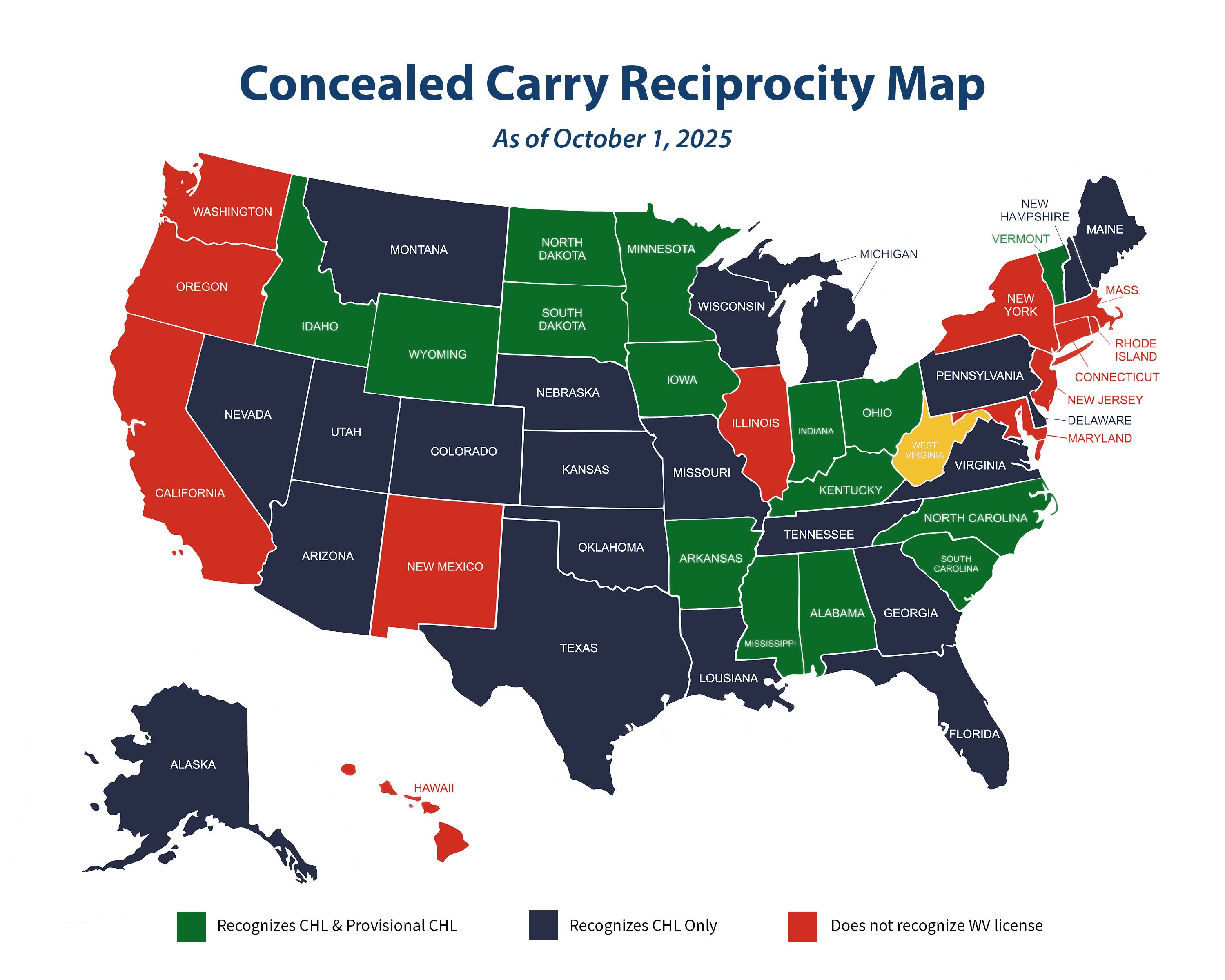
Reciprocity today is a web of state-to-state recognition. There is no single map that covers every change. Laws update often. Agreements can be added or dropped with little notice.
What to expect state by state:
- Permit recognition. Some states recognize all out-of-state permits. Others only certain states. A few recognize none.
- Permitless (constitutional) carry. Some states allow concealed carry without a permit for adults who qualify. Others require a permit for concealment.
- Sensitive places. Bars, schools, stadiums, and government sites may be off-limits. The lists can be long and specific.
- Duty to inform. Some states require you to tell an officer you are carrying during a stop. Others do not.
- Vehicle and signage rules. “No guns” signs may carry force of law in some states. In others they do not.
Practical example:
- Driving from Texas to Florida may be smooth. Both tend to be friendly on carry. But detouring through a different state can change rules fast.
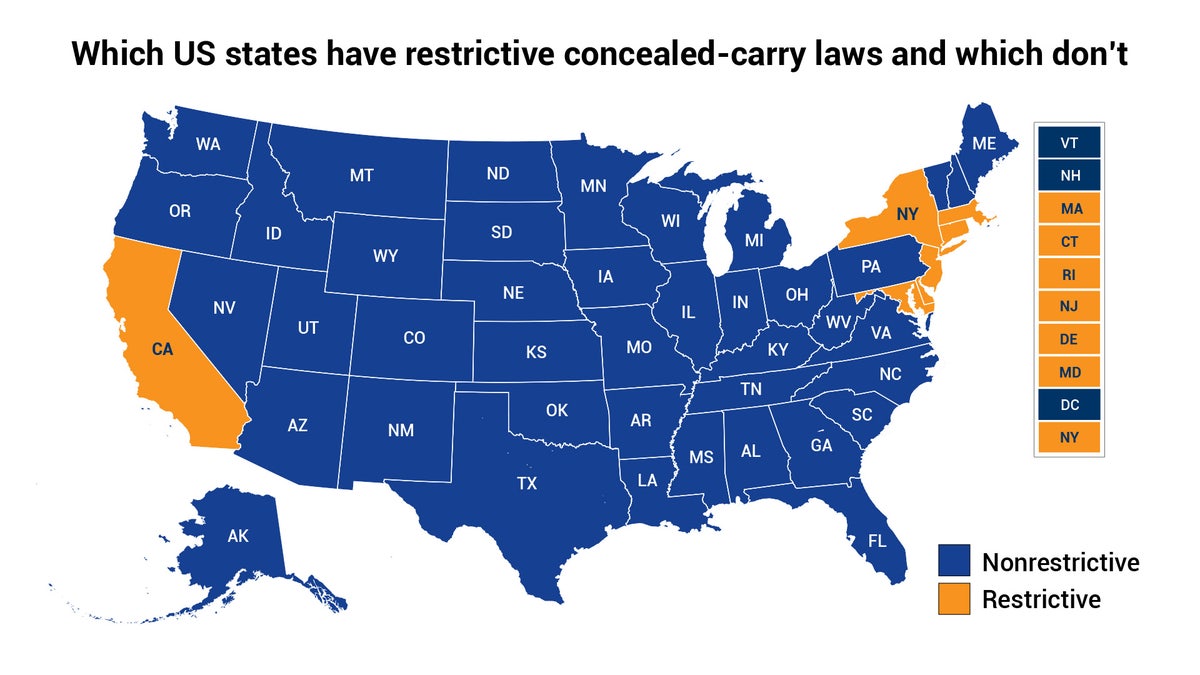
- Flying to New York or New Jersey is very different. These states do not recognize most outside permits. Penalties can be severe.
This is why many owners want national concealed carry reciprocity. It would reduce guesswork. You would still need to obey place bans and procedures. But the base right to carry would follow you.
Benefits and challenges of national concealed carry reciprocity
Like many national policies, there are real trade-offs. I have seen these debates play out in classes, forums, and city halls.
Potential benefits:
- Clarity for travelers. Fewer traps for people trying to follow the law.
- Consistency for enforcement. Officers face fewer permit types and less confusion.
- Rights continuity. A lawful, vetted permit would mean something beyond state lines.
Common challenges:
- States’ rights concerns. Some states want to set higher local standards.
- Training gaps. Not all states require the same training hours or testing.
- Sensitive places and culture. Crowded cities and rural areas view risk differently.
What research suggests:
- Data on concealed carry and crime is mixed. Some studies show neutral effects. Others find small effects up or down. Context matters a lot.
- Training and secure storage are linked with fewer mishaps. Good habits beat wishful thinking.
Bottom line. National concealed carry reciprocity could help lawful owners. But it must balance local safety needs and uniform standards. Any bill that moves forward will likely address both.
Practical travel guidance and compliance tips
This is not legal advice. It is a field-tested checklist to lower risk on the road. It has helped many of my students and readers avoid hard lessons.
Before you go:
- Confirm legality in each state on your route. Check official state police or attorney general pages.
- Print or save current rules. Screenshots help if a link changes while you travel.
- Know duty-to-inform rules. Practice a calm script for traffic stops.
Packing and transport:
- Keep your permit, ID, and training proof handy.
- If you cross hostile states, study safe passage rules. Unload, lock, and separate if needed.
- Use a quality holster. No off-body carry in bags if you can avoid it.
On the ground:
- Obey signs where they have force of law. When in doubt, respect private property wishes.
- Avoid gray areas. Schools, government complexes, and posted venues are common traps.
- Stay sober and focused. Alcohol and carry do not mix.
Backups:
- Consider liability coverage designed for gun owners. Read the policy exclusions.
- Store a spare lock and travel-safe in your car.
- Keep a local attorney’s contact ready. You will never regret being prepared.
These small steps help even if national concealed carry reciprocity passes one day. Good habits travel well.

Real-world experience and lessons learned
I have helped many new carriers plan cross-country trips. The same patterns show up.
A win:
- A family drove from Arizona to Tennessee for a reunion. We mapped each state’s rules. They carried copies of their permits and place bans. No surprises. No stress.
A mistake to avoid:
- A traveler flew into a state that does not honor his permit. He brought a checked, locked case as allowed. But he tried to re-arm at the rental car counter. That was a posted area. He had a rough hour with security. The fix was simple. Move to a legal location first.
Three lessons:
- Do not assume your permit will be honored. Check and verify.
- Respect sensitive places even if signs seem vague.
- Keep calm and courteous in any stop. Most issues end well when you do.
If national concealed carry reciprocity becomes law, these lessons still matter. The spirit is simple. Know the rules. Show respect. Avoid conflict.

The policy timeline and what’s next
National concealed carry reciprocity has had several runs in Congress. A major House bill passed in 2017 but stalled in the Senate. Versions have been reintroduced in later sessions.
The 2022 Supreme Court ruling in Bruen reshaped permit issuance. Many states shifted from may-issue to shall-issue. But the Court did not create national concealed carry reciprocity. States still control recognition, training, and sensitive places.
What to watch:
- New bills may tie reciprocity to baseline training and background checks.
- States may update sensitive place lists after court rulings refine the limits.
- Federal safe passage could be clarified to reduce travel friction.
My guidance is steady. Track proposals. Read bill summaries, not just headlines. If a bill moves, look for its scope, exceptions, and how it handles local rules.
Until then, keep doing the hard but smart thing. Plan each trip as if rules changed last night.
Frequently Asked Questions of national concealed carry reciprocity
Is national concealed carry reciprocity law right now?
No. There is no federal law that forces states to honor all permits. Reciprocity remains a state-by-state patchwork.
Would national concealed carry reciprocity override sensitive place bans?
No. Even if passed, you would still follow local place bans and procedures. Federal bans would also still apply.
Do permitless carry states accept my out-of-state permit?
Not always. Permitless carry only defines what you can do in that state. It does not mean they honor your permit elsewhere.
Does the Bruen decision create national concealed carry reciprocity?
No. Bruen changed permit issuance rules. It did not require states to accept outside permits.
What is the safest way to transport through hostile states?
Follow federal safe passage rules. Keep the firearm unloaded, locked, and separated from ammo while passing through.
Conclusion
National concealed carry reciprocity aims to make lawful carry simpler for travelers. Today, it is still an idea, not the rule. You can protect yourself by planning routes, confirming state laws, and using calm, safe habits.
If this guide helped, take one step this week. Audit your travel kit, update your state law notes, and save a checklist to your phone. Want more? Subscribe for updates, request a state-by-state breakdown, or share a question in the comments.