Reliability, fit, concealability, manageable recoil, capacity, safe carry, and regular training.
Choosing a concealed carry gun is personal and serious. I’ve coached new and seasoned carriers, and I’ve carried every day for years. In this guide, I break down the things to look for in a concealed carry gun with clear steps, simple language, and real range lessons. If you want a safe, confident choice for your body, budget, and skill, you’re in the right place.
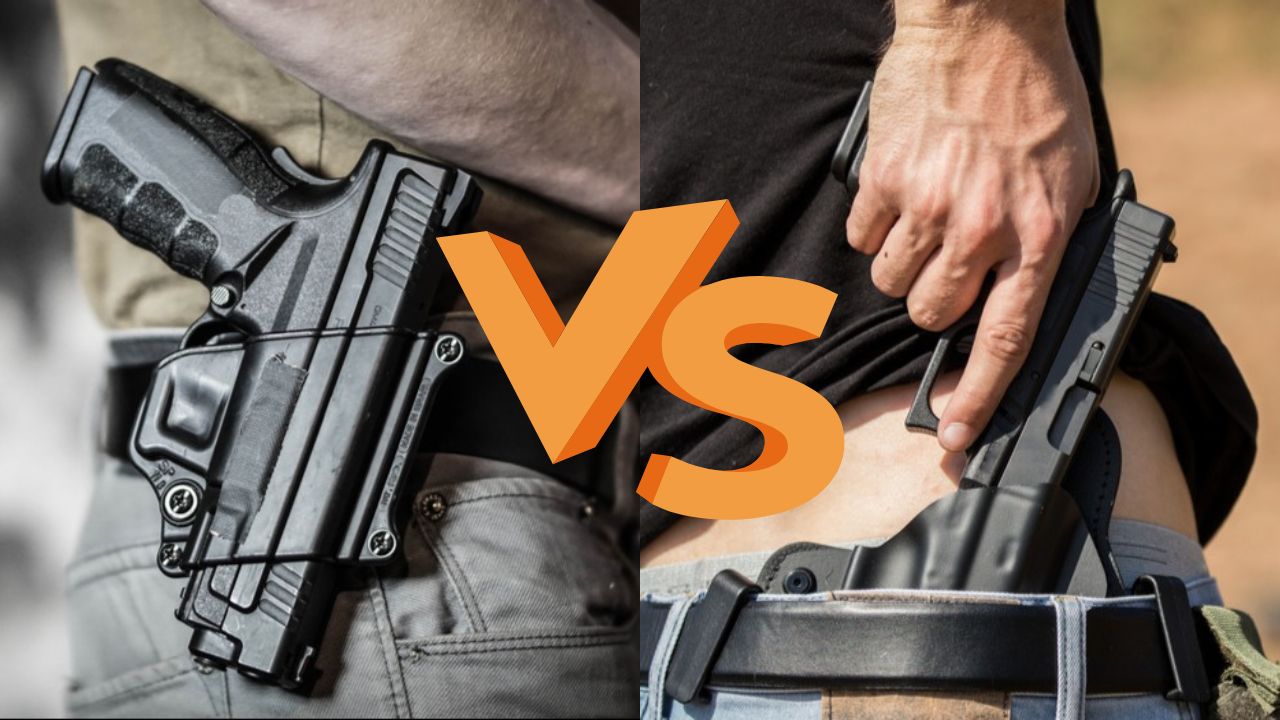
What matters most when choosing a concealed carry gun
Your goal is a handgun you can carry daily, draw safely, and shoot well under stress. That means it must be reliable, easy to control, and comfortable to conceal. The things to look for in a concealed carry gun start with safety, fit, and function. Then you weigh size, recoil, capacity, and training needs.
Key factors to prioritize first:
- Reliability in all conditions with your chosen defensive ammo
- Fit to your hand for solid control and repeatable grip
- Concealability that matches your clothes and lifestyle
- Manageable recoil for fast, accurate follow-up shots
- Simple, consistent controls you can run under stress
- Quality sights you can see fast in bright or low light
- A proven holster that covers the trigger and stays put
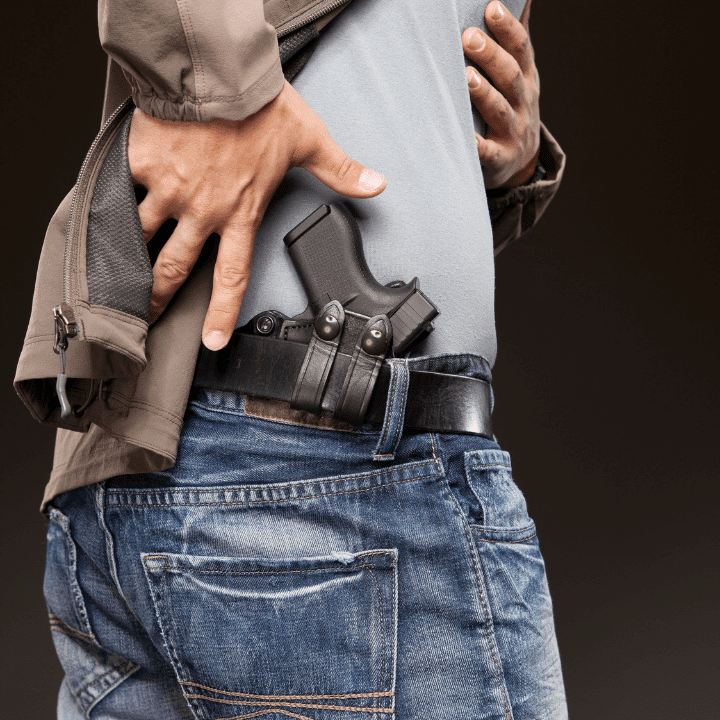
Size, weight, and concealment
Small guns hide well but can be harder to shoot. Larger guns shoot easier but can print or feel heavy. Find a balance you will actually carry every day.
Tips that help in the real world:
- Width matters more than barrel length for concealment
- Grip length drives printing under shirts and jackets
- A quality belt and holster solve many comfort issues
- Test carry at home for a few hours before you commit
When I coach, I ask students to practice drawing from concealment in dry fire. If the gun snags or shifts, we adjust holster ride height or cant. These tiny tweaks often decide if you carry daily or leave the gun at home.

Caliber and ammunition
Modern 9mm defensive ammo offers strong performance with less recoil and more capacity than larger calibers. That is why many agencies use it. For some hands, 380 ACP in a soft-shooting gun is easier to control. What counts is reliable expansion and penetration from a round you can place fast.
What to check here:
- Choose a bonded or well-reviewed JHP made for short barrels
- Confirm your gun feeds that load over several magazines
- Expect 9mm to be the most cost-effective for training
- Remember that shot placement beats caliber debates
The things to look for in a concealed carry gun include how a chosen caliber performs in your exact pistol. A short barrel can change velocity and terminal effect. Always test your carry ammo in your gun.

Ergonomics and controls
Your hand should find a repeatable, full grip on the draw. Controls should be simple and consistent. Under stress, fine motor skills drop. Avoid complex sequences.
Evaluate these details:
- Grip texture that locks in without rubbing you raw
- Backstraps or grip modules that fit your hand size
- Ambidextrous or reversible mag release and slide stop
- Slide serrations that are easy to rack with wet or cold hands
During classes, I see the biggest gains when students find a gun that supports a high, strong grip. Less muzzle flip, faster sights, more hits. The things to look for in a concealed carry gun start with how it feels in your hand, not on a spec sheet.
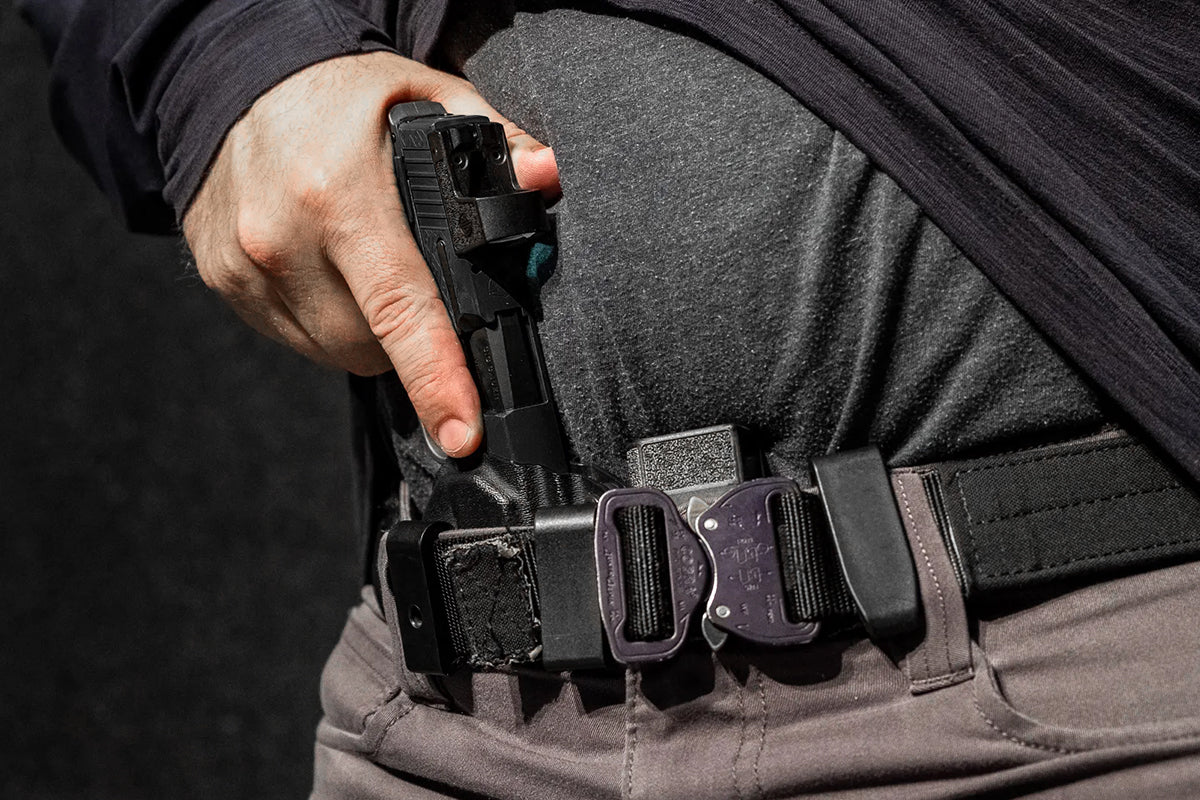
Reliability and durability
A defensive gun must run clean and dirty. It should feed hollow points, lock back on empty, and handle light or firm grip without drama. Corrosion resistance matters if you carry daily against skin.
Proving runs you can do:
- Fire 200–500 rounds with zero critical malfunctions
- Mix in your defensive load and practice ammo
- Shoot from different grips and positions
- Check for parts loosening, peening, or odd wear
If a pistol chokes, fix the cause or pick another model. Your life is not the place for “it’ll probably be fine.” The things to look for in a concealed carry gun always put reliability first.

Trigger, sights, and accuracy
You want a trigger that is predictable and safe to carry. A clean break and short, tactile reset help control. Sights should be fast to pick up and easy to see in shade or at night.
What helps most:
- A consistent striker-fired trigger is simple for many users
- Bright front sight or a high-visibility ring aids speed
- Night sights or an optic-ready slide extend capability
- Zero your red dot and confirm at realistic distances
At 3–10 yards, you should hold fist-sized groups at a steady pace. If shots spread wide, check your grip and trigger press before blaming the gun.

Recoil management and shootability
Recoil is about weight, grip, bore height, and your technique. A micro-compact can work, but only if you can control it fast. Smooth, repeatable strings matter more than single perfect hits.
Quick checks:
- Can you fire two accurate shots in under a second at 5 yards
- Do sights return to the same spot without hunting
- Does your support hand stay locked through the string
The things to look for in a concealed carry gun include how it behaves under speed. If the gun feels lively but you can still track the front sight, you are in a good place.

Capacity and reloads
Capacity gives margin when stress, movement, or barriers degrade hits. Many micro-compacts now hold 10–15 rounds in a small frame. Balance capacity with concealment and hand fit.
Practical tips:
- Use reliable magazines and replace worn springs
- Test extended mags for concealment and feeding
- Carry at least one spare magazine if you can
I have seen more stoppages from bad mags than bad guns. The things to look for in a concealed carry gun must include magazine quality and availability.
Safety features, holsters, and safe storage
Safety starts with a holster that covers the trigger and stays in place. Choose a design that clamps the gun well and allows a clean draw. Whether you want a manual safety is personal. Train both the draw and the safety sweep if you have one.
Holster and storage basics:
- Rigid holster that guards the trigger and keeps its shape
- Belt and hardware that support the weight
- Store at home in a locked box, out of reach of kids
- Keep a small trauma kit in your bag or car
The things to look for in a concealed carry gun also include how you carry it. A great pistol in a bad holster is a bad setup.
Budget and total cost of ownership
Price is more than the sticker. Plan for training, ammo, holsters, magazines, sights, and maintenance. A mid-priced, proven gun with money left for classes beats an expensive model you cannot afford to shoot.
Budget checklist:
- Quality pistol and two to four spare magazines
- Holster and sturdy belt
- 500–1,000 rounds for initial training
- Ongoing practice ammo each month
- Cleaning gear and recoil spring replacements over time
The things to look for in a concealed carry gun should fit your wallet today and your training plan all year.
Test drive before you buy
Rent at a range. Shoot side by side. You will feel differences in grip, recoil, and trigger that no review can show. Bring a simple plan and take short notes.
Range plan I use with students:
- 10 slow-fire shots at 7 yards for baseline accuracy
- 5 strings of two shots for recoil tracking
- 3 emergency reloads and slide-lock tests
- Draw practice from a safe, approved holster on a cold line
If a gun makes you smile and your hits look good, that matters. The things to look for in a concealed carry gun must include how it performs for you, not a reviewer.
Common mistakes to avoid and pro tips
I have seen smart people choose the smallest gun and then stop carrying because it hurts or is hard to shoot. Others chase the biggest caliber and then flinch. Avoid both traps.
What to avoid:
- Picking size over shootability or the other way around
- Ignoring holster and belt quality
- Skipping a 200–500 round reliability check
- Carrying without regular dry fire and live fire
- Forgetting local laws and required training
Pro tips:
- Try different backstraps or grip panels for better fit
- Use a timer in practice to track real progress
- Keep it simple with controls and maintenance
- Schedule quarterly “check rides” to confirm skills
The things to look for in a concealed carry gun are simple on paper. The win comes from honest testing and steady practice.
Frequently Asked Questions
What is the best caliber for concealed carry?
For most people, 9mm offers the best balance of recoil, capacity, and performance. Modern defensive 9mm ammo performs well and costs less, which means more practice.
Should I choose a pistol with a manual safety?
It depends on your comfort and training. If you pick a manual safety, train the on-off sweep into your draw until it is automatic.
How many rounds should my carry gun hold?
Aim for at least 10 rounds if possible, with a spare magazine. Capacity is helpful, but only if you can conceal and control the gun well.
Do I need night sights or a red dot?
Night sights help in low light and are low-maintenance. A red dot can boost speed and precision, but you must train to find the dot on the draw.
How often should I practice with my carry gun?
Dry fire a few minutes several days a week and shoot live fire at least monthly. Focus on safe draws, sight picture, trigger control, and reloads.
Conclusion
Choosing the right concealed carry gun is about trust, fit, and practice. Put reliability first, then confirm the gun hides well, feels right in your hand, and stays on target when the pressure rises. The things to look for in a concealed carry gun become clear when you test them with honest drills and simple checks.
Start with a short list, rent at a range, and run the tests in this guide. Invest in a good holster and regular training. If this helped, share it with a friend, subscribe for more hands-on tips, or leave a question so I can help you dial in your setup.