Use a rigid pocket holster, keep the pocket empty, and practice safe handling.
If you want real-world tips to pocket carry safely, you’re in the right place. I’ve coached new and seasoned carriers, and I’ve carried daily for years. This guide shares simple, proven steps that reduce risk and boost comfort. Keep reading for practical, expert-backed tips to pocket carry safely that you can use today.

What Pocket Carry Means and When It Makes Sense
Pocket carry means you carry a small handgun in a front pocket using a proper holster. It is simple, fast, and easy to keep discreet. It works best with small revolvers and micro-compact pistols.
But safe pocket carry takes intent. The goal of these tips to pocket carry safely is not just comfort. It is to prevent an accident, avoid legal issues, and keep control in real life.
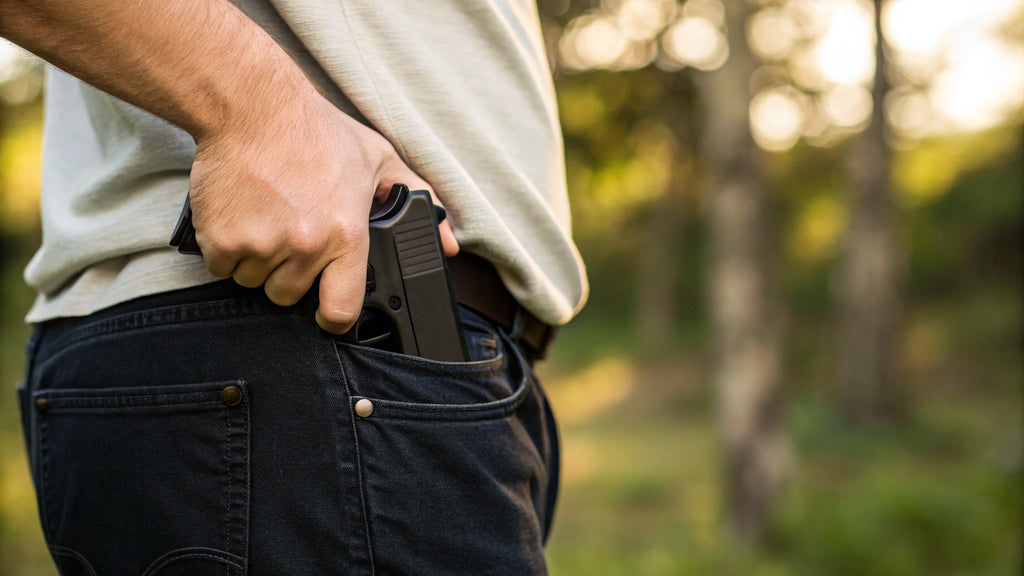
Core Safety Rules You Must Follow
Pocket carry works only if you follow strict rules. Here are the key tips to pocket carry safely:
- Use a rigid holster that fully covers the trigger. No exceptions.
- Keep the gun pocket empty. No keys, cash, knives, or clips.
- Keep the gun in the same pocket every day. Build a simple habit.
- Keep your finger straight and off the trigger until you must shoot in defense.
- Do not fidget with the gun in public. Adjust in private if needed.
- Check the holster for wear. If it softens or cracks, replace it.
These rules are taught by most trainers and in many manuals. They cut the risk of a snag or a trigger press. When in doubt, slow down and follow the basics. These tips to pocket carry safely will pay off when stress is high.
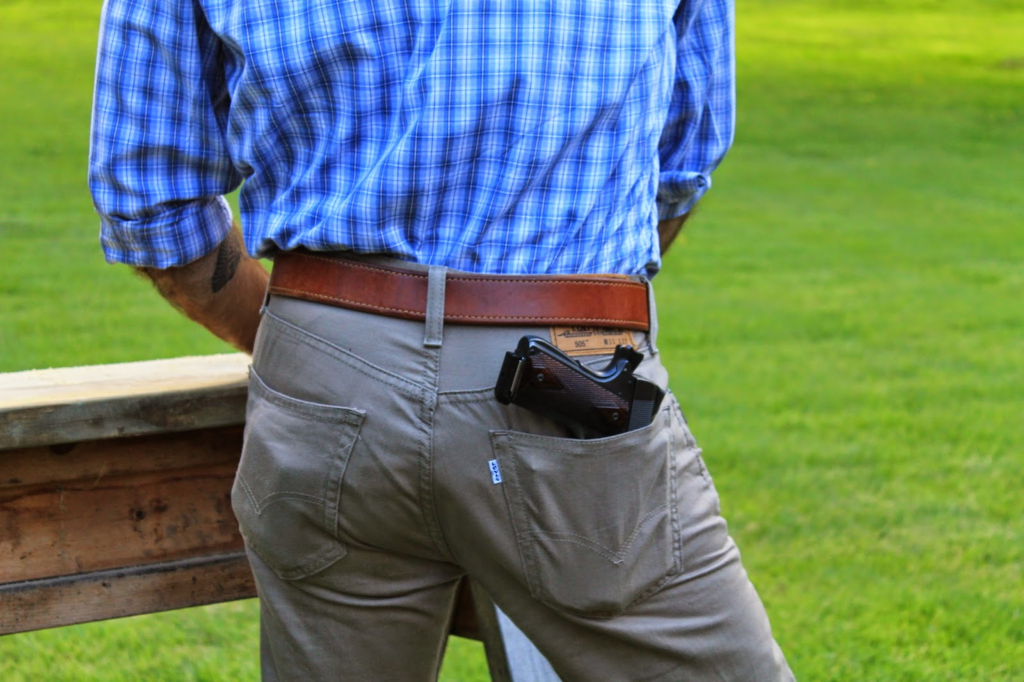
Choosing the Right Pocket Holster
A good pocket holster is non-negotiable. It is the heart of these tips to pocket carry safely. Look for:
- Full trigger guard coverage. No gaps or flex over the trigger.
- A stiff mouth that stays open when empty. This helps you reholster safely.
- A “hook” or sticky texture that keeps the holster in the pocket on the draw.
- A smooth interior for a clean release.
- Sweat protection and edges that do not chafe.
- A model that fits your exact gun. No one-size-fits-all guesswork.
Kydex is rigid and stable. Leather can work if it is stiff and well made. Many trainers caution against soft nylon that collapses. Try a few at home, with an unloaded gun, to find what locks into your pocket best. This is one of the smartest tips to pocket carry safely.

Clothing, Pockets, and Setup
Your pants matter more than you think. Deep, sturdy pockets make pocket carry safe and calm. Light fabric can fold or print.
- Choose pants or shorts with deep front pockets and firm seams.
- Avoid tight pants that press the gun into your leg.
- Pick the same pocket every time. Most people use the strong-side front pocket.
- Do not carry in the back pocket. Sitting can press the gun and cause a sweep risk.
- Use a pocket holster that breaks up the gun’s shape to reduce printing.
These small steps make daily carry smooth. They also keep you discreet, which is part of tips to pocket carry safely in public.

Safe Draw and Reholster Basics
Practice the draw slow and safe at home with an unloaded gun. Check the chamber and magazine twice. Then check again. Follow these tips to pocket carry safely when you draw:
- Establish a solid grip in the pocket before you lift.
- Keep your finger indexed high along the frame.
- Lift straight up, then orient the muzzle downrange.
- Do not sweep your leg or anyone else.
For reholstering, the safest rule I teach is this: remove the holster from your pocket first. Place the gun into the holster with the muzzle in a safe direction. Then put the holster, with the gun inside, back into the pocket. Do not force the gun into a holster that is still in your pants. That simple move is one of the best tips to pocket carry safely.

Daily Routine, Maintenance, and Gear Checks
Lint is real. Pockets collect it like a magnet. Lint can pack into the trigger guard, sights, and even the barrel.
- Wipe the gun and holster daily. A quick brush or blast of air helps.
- Check screws, sights, and magazines for tight fit.
- Inspect ammunition for setback or corrosion. Rotate carry ammo every six to twelve months.
- Clean with tools and oils approved by the maker.
Make these checks part of your morning habit. Clean gear is central to tips to pocket carry safely and to long-term reliability.

Legal, Training, and Ethical Considerations
Know your local and state laws. Rules vary on carry locations, duty to inform, and signs. Many states ban carry in certain places. Learn those rules and follow them.
Take a reputable concealed carry class. Use force laws are complex. Good courses teach de-escalation, communication, and after-incident steps. These legal and training habits are often missed, but they are vital tips to pocket carry safely and stay within the law.
Common Mistakes and How to Avoid Them
Even smart people slip up. Learn from these frequent errors:
- Carrying in a pocket with other items. This can snag the trigger.
- Using a soft, flimsy holster. It can fold and press the trigger.
- Switching pockets often. This slows the draw when it counts.
- Fidgeting or checking the gun in public. It draws eyes and adds risk.
- Reholstering into a pocket-mounted holster. That move leads to negligent discharges.
Avoiding these missteps is a core part of tips to pocket carry safely. Simple choices beat complex fixes.

Real-Life Lessons From the Field
When I started, I learned fast that lint is not a joke. A week of pocket carry left flakes under my rear sight. Now I do a 20-second wipe each night.
I also learned to test holsters at home. One soft model came out with the gun every time. It failed the “stay put” test. I tossed it the same day. That choice reflects the spirit of these tips to pocket carry safely: test, verify, and keep what works.
Last, I now reholster only with the holster in my hand. I teach students the same move. It is slow, safe, and simple. That step alone may be the most important of all tips to pocket carry safely.
Frequently Asked Questions of tips to pocket carry safely
Is pocket carry safe if I use the right holster?
Yes, pocket carry is safe when you use a rigid holster that covers the trigger. Keep the pocket empty and follow basic handling rules.
Which guns work best for pocket carry?
Small revolvers and micro-compact pistols work best. Choose models designed for deep concealment and ensure your holster fits the exact gun.
Can I carry other items in the same pocket?
No. Carry nothing else in the gun pocket. Keys, cash, and clips can snag the trigger or foul the draw.
How do I avoid printing in light clothing?
Use a holster that breaks up the outline and pick deeper pockets. Consider thicker fabrics or a pocket sleeve to smooth the shape.
Should I practice drawing from my pocket?
Yes, but start with an unloaded gun and follow safe direction rules. Slow, mindful reps build skill without risk.
How often should I clean my carry gun?
Check it daily for lint and wipe it down. Do a full clean on a set schedule and after extended carry or range time.
Do I need a belt if I pocket carry?
A sturdy belt still helps. It keeps pants stable and reduces printing and shifting.
Conclusion
Pocket carry can be safe, discreet, and steady when you keep it simple and follow the rules. Use a rigid holster, keep the pocket empty, build clean habits, and train within the law. These tips to pocket carry safely turn a small setup into a reliable daily plan.
Start today. Audit your holster, clear your pocket, and run five safe draw reps with an unloaded gun. Then share your own tips to pocket carry safely, subscribe for more guides, or leave a comment with your questions.