Constitutional carry lets eligible adults carry concealed handguns without a government permit.
If you have wondered what is constitutional carry and how it actually works in daily life, you are in the right place. I write about firearm policy and safety with care and clarity. In this guide, I break down what is constitutional carry in plain language, share real examples, and give tips you can use today. Stay with me to get a full, fair, and current view.
Core definition and legal roots
At its core, constitutional carry means a person who is not barred by law can carry a handgun, often concealed, without first getting a state permit. Many people also call it permitless carry or Vermont carry. When people ask what is constitutional carry, they are usually asking if a permit is needed to carry concealed in public.
The idea comes from the right to keep and bear arms in the Second Amendment and in many state constitutions. Modern court cases shaped the rules too. Heller (2008) recognized an individual right to possess a handgun for self-defense in the home, and Bruen (2022) set a test for carry laws based on history and tradition.
Key points you should know:
- Some states allow both open and concealed carry without a permit. Others allow only concealed without a permit.
- Most states limit constitutional carry to handguns. Long guns and other weapons can have different rules.
- Private property owners can still say no guns on their property.
So, what is constitutional carry in practice? It is a policy that removes the permit step for eligible adults, while keeping other gun laws in place.
How constitutional carry works state by state
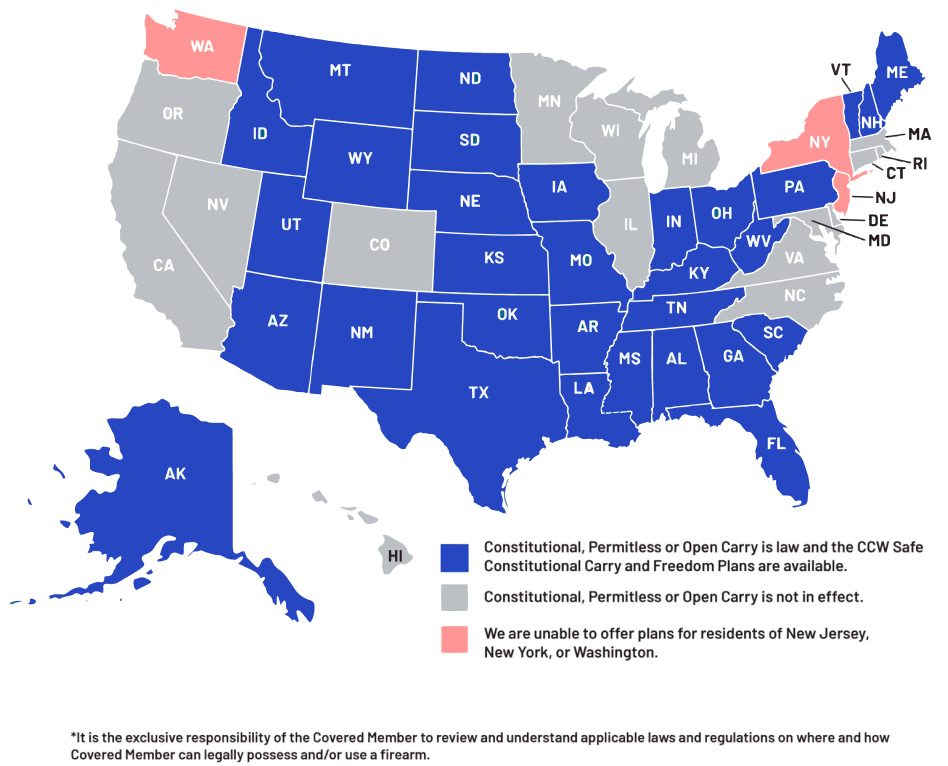
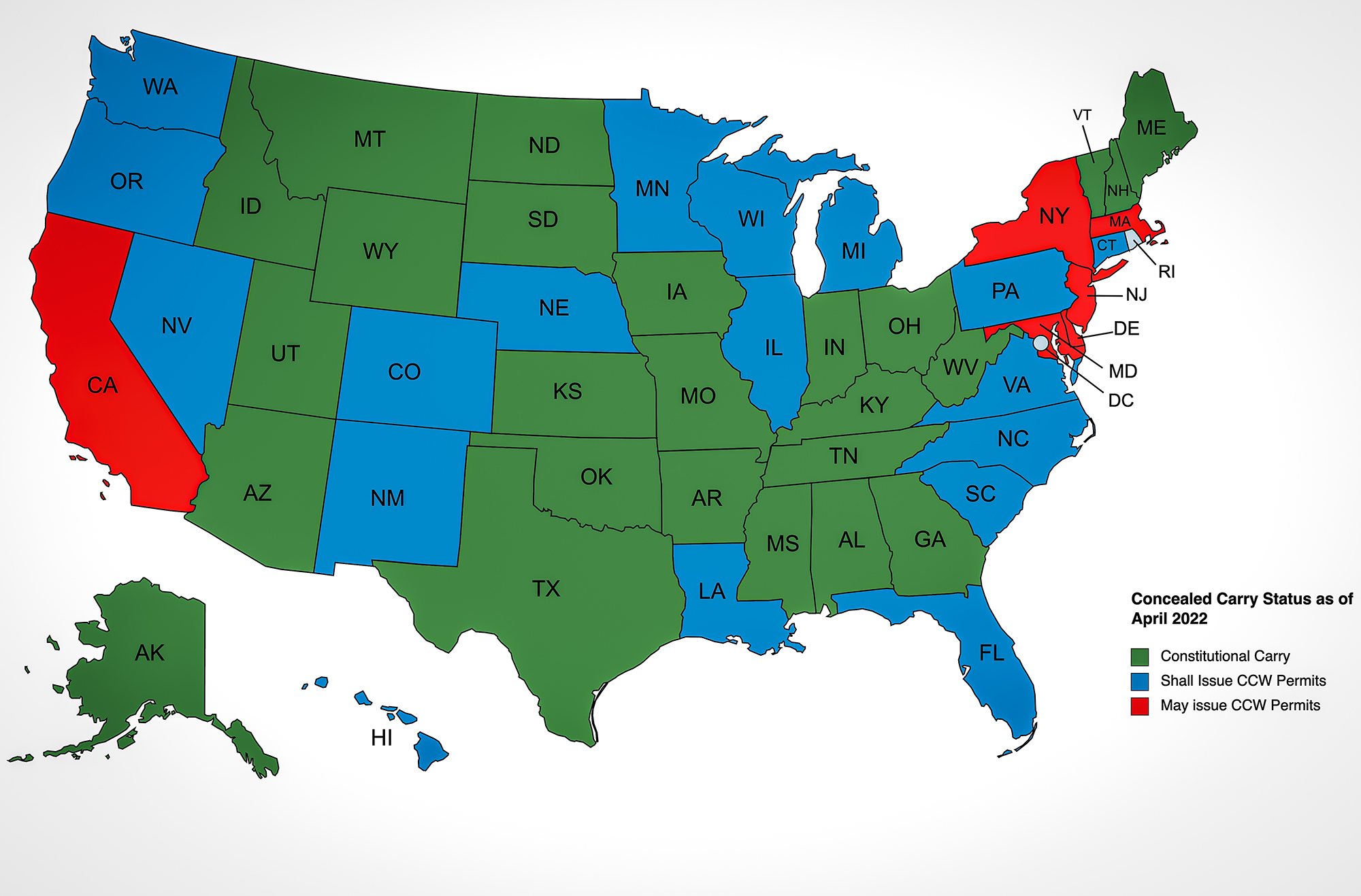
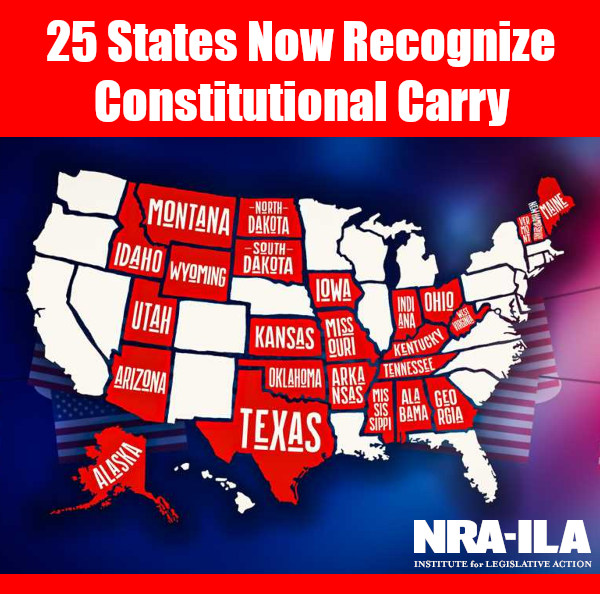
More than half of U.S. states now have some form of constitutional carry. The details vary a lot. That is why the safest path is to read your state code, the attorney general’s guidance, and recent legislative updates.
Common features you will see:
- Eligibility rules Age thresholds are often 21 for concealed carry, sometimes 18 for open carry, and they can differ by state.
- Places you cannot carry Schools, courthouses, post offices, federal buildings, secure airport areas, and some events are often off-limits.
- Private property rights Businesses and homeowners may ban firearms. If you are asked to leave, you must do so or risk a trespass charge.
- Duty to inform In some states, you must promptly tell a law enforcement officer you are armed during a stop.
- Background checks to buy Purchasing a gun still requires a background check from a dealer in most cases. Constitutional carry affects carry permits, not the purchase process.
- Travel and reciprocity Your state may not need a permit, but the next state might. A carry permit can still help when you travel.
People often ask what is constitutional carry when crossing state lines. The simple answer is that your rights change at the state border. Know the rules before you go.

What constitutional carry is not
It is not a free pass to carry anywhere, any time, or for anyone. Federal and state bans on possession by prohibited persons still apply. That includes felonies, certain violent or drug crimes, domestic violence orders, and some mental health findings.
It does not remove all training or safety needs. You do not have to take a class in many states, but skill and knowledge still matter. It also does not stop police from checking your legal status if there is a lawful reason to do so.
It is not the end of permits. Many people still get a permit for travel, faster purchases where allowed, or proof of training. When people ask what is constitutional carry versus a shall-issue permit, the answer is simple. One removes the permit step for in-state carry, the other still issues a card you can use across borders.
Benefits, risks, and the ongoing debate
Supporters say constitutional carry removes cost and red tape from a core right. They argue that honest people can defend themselves without delays. They also say criminals do not follow permit rules anyway.
Critics worry that fewer people will seek training. They point to risks during traffic stops, theft from cars, or mishandling in crowds. They also note that property owners and event staff must work harder to keep clear rules.
What does the research say? Results are mixed and depend on methods and years studied. Some studies find increases in some violent crimes after broad right-to-carry laws, while others find little or no change. When you ask what is constitutional carry in terms of impact, the fairest answer is that effects can vary by state, policy details, and local conditions.
Practical guidance for everyday carry
If your state allows constitutional carry, plan ahead. Make safe habits before you carry.
Core safety steps I teach and use:
- Know your law Read your state code and any new updates from official agencies.
- Train with purpose Learn the four safety rules, practice drawing with a quality holster that covers the trigger, and run live-fire drills.
- Choose the right gear Use a rigid holster, strong belt, and carry ammo that your state allows.
- Prepare for stops Keep both hands visible for an officer. Follow any duty-to-inform law in a calm, clear voice.
- Build storage habits Store guns locked when not in use, and use a vehicle lock box if you leave a gun in your car.
Many readers ask what is constitutional carry good for when they still want to travel. My advice is to keep or get a permit if your state offers one. It gives you options on the road and can help with the federal school-zone rule in some cases.

The legal backdrop you should know
Bruen changed how courts judge gun laws. Now, states must show that a gun rule fits our nation’s history and tradition. After that case, many states updated their carry laws, including sensitive-place lists. Some of these rules are still in court.
There is also a key federal rule to remember. The Gun-Free School Zones Act restricts carry within 1,000 feet of K–12 school grounds, with narrow exceptions. A state-issued permit can be an exception in some cases. Without a permit, a person could break federal law even if state law allows carry. Check the exact text that applies to you.
Many states have preemption laws. Those block cities from making their own gun regulations. But not all states do. Even with preemption, you can face local rules for certain properties or events. When you ask what is constitutional carry across different cities, the truth is that state preemption decides much of that story.

Real-world scenarios, lessons, and mistakes to avoid
Over the years, I have helped readers map their first month of legal carry. The goal is calm, safe, and lawful habits.
What I have seen work well:
- Start with a dry run Practice dressing with your holster and moving at home. Check that the gun stays secure when you sit, bend, and walk.
- Plan your day Look for posted signs and known prohibited places. Have a lock box ready if plans change.
- Keep your words simple If asked by an officer, use short, clear statements. Follow all commands and do not reach without consent.
- Invest in training A one-day class can fix bad grip, improve draw speed, and boost judgment.
- Review after action After each day, ask what went well and what felt risky. Then adjust your gear or habits.
Common mistakes to avoid:
- Carrying where signs or laws forbid it This can turn into a trespass or a crime.
- Pocket carry without a holster This can lead to a negligent discharge.
- Skipping reload checks A magazine not fully seated can cause a malfunction.
When people ask what is constitutional carry in the real world, I tell them it is freedom paired with daily discipline. That mix keeps you safe and within the law.
Frequently Asked Questions
What is constitutional carry in simple terms?
It allows eligible adults to carry a handgun, often concealed, without a permit. Other gun laws still apply, like prohibited places and who may possess a gun.
Does constitutional carry apply to non-residents?
Sometimes, yes. Some states extend the same rules to visitors, while others limit permitless carry to residents.
Do I still need a permit for travel to other states?
A permit is often useful for reciprocity when you cross state lines. Without a permit, you must follow the destination state’s rules, which may require one.
Is training required under constitutional carry?
Most states with constitutional carry do not require training. But taking a class is still wise for safety, skill, and legal knowledge.
Can I carry in schools, post offices, or federal buildings?
Generally, no. Federal law and many state laws make those locations off-limits, even in constitutional carry states.
What age do I need to be to carry?
Many states set 21 as the age for concealed carry, with some allowing 18 for open carry. Check your state’s exact rule.
Does constitutional carry cover knives or long guns?
Usually it focuses on handguns. Knife and long-gun rules are separate and vary by state.
How can I confirm my state’s current law?
Read your state code, check official agency pages, and review recent legislative updates. Laws change, and summaries can be out of date.
Conclusion
You came here asking what is constitutional carry and how it works in daily life. Now you know the core idea, the limits, the debate, and the steps to carry with care. The best way to honor this right is to train, plan, and stay informed.
Take one action this week. Read your state’s carry section, book a safety class, or set up secure storage at home and in your car. If this guide helped, share it with a friend, subscribe for updates, or leave a comment with your questions and experience.