Clean gently, condition sparingly, dry slowly, and store cool to protect shape and strength.
If you want a leather rig that draws smooth and lasts years, you need a plan. In this guide, I share how to care for leather holsters and gun belts with clear steps, tested tips, and common-sense fixes. I have carried daily, sweated through classes, and restored gear in my shop. You will learn what to do, what to skip, and how to keep your setup safe, stiff, and sharp.
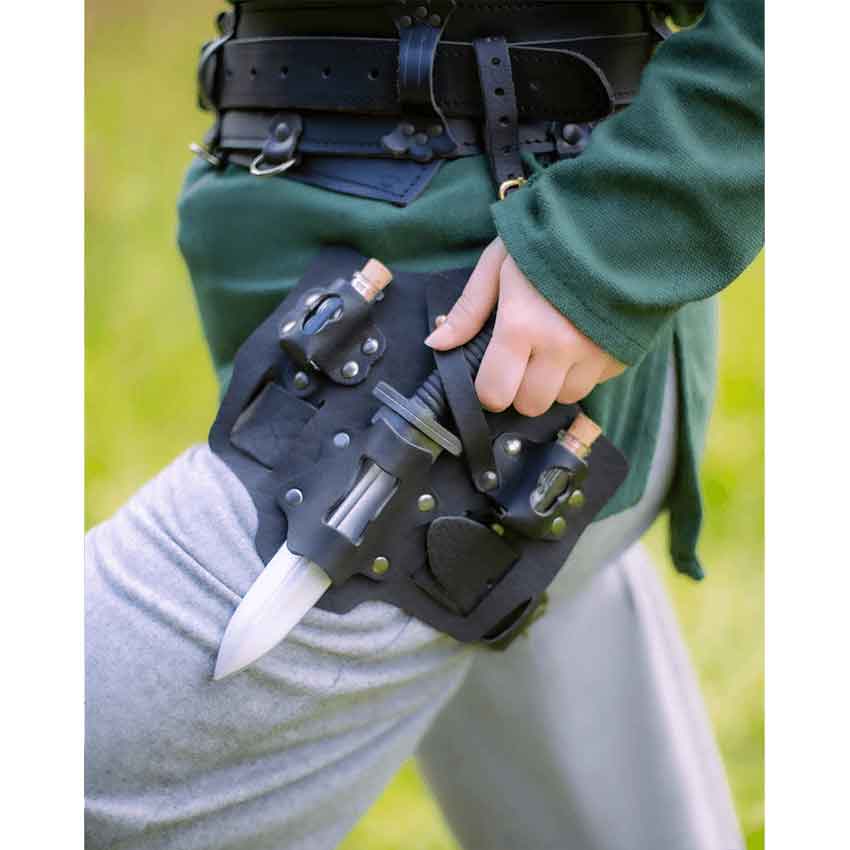
Why Leather Care Matters For Holsters And Gun Belts
Leather is skin. It gains strength from dense fibers and natural oils. When those oils leave, the leather dries, sags, or cracks. When it gets too wet or too hot, fibers stretch and lose shape. For a holster, that means weak retention and a slow, unsafe draw. For a belt, that means sag, twist, and poor support.
Most holsters and belts use full-grain or top-grain cowhide. Vegetable-tanned leather molds well and holds form. Chrome-tanned leather is softer and resists water a bit more, but may not mold as tight. Knowing what you have helps you pick the right products and routine.
A clean, conditioned finish resists sweat, rain, and grit. It also protects stitches and edges. I learned this the hard way during a hot range day. My untreated belt soaked up sweat and went wavy by sundown. The fix took hours. The right care takes minutes. This is how to care for leather holsters and gun belts so they stay safe and look good.
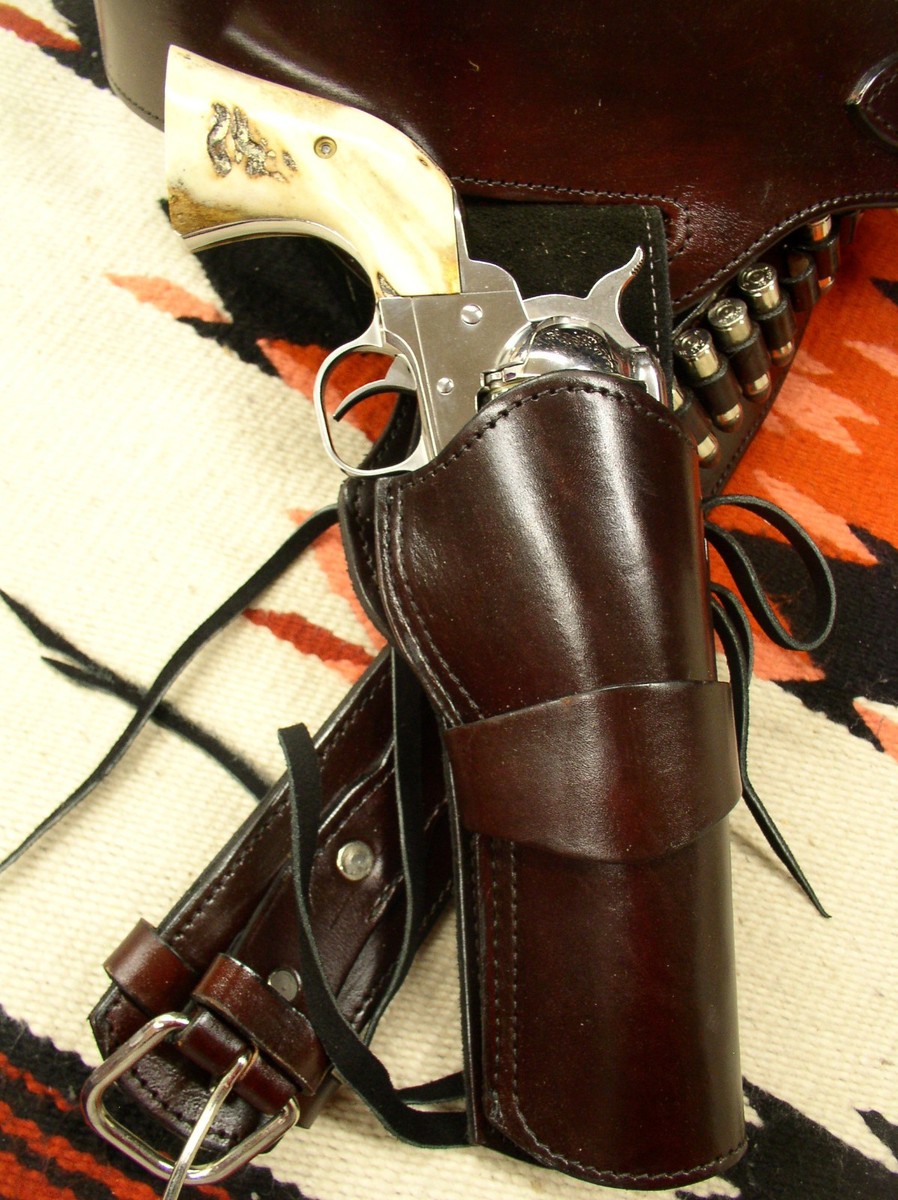
A Simple Daily Carry Routine
Small steps, done often, do more than big cleanups. Do this after any carry day, training day, or range trip.
Safety first
- Unload your firearm. Double check. Keep the muzzle in a safe direction.
- Remove the holster from your belt when you can.
Daily wipe-down
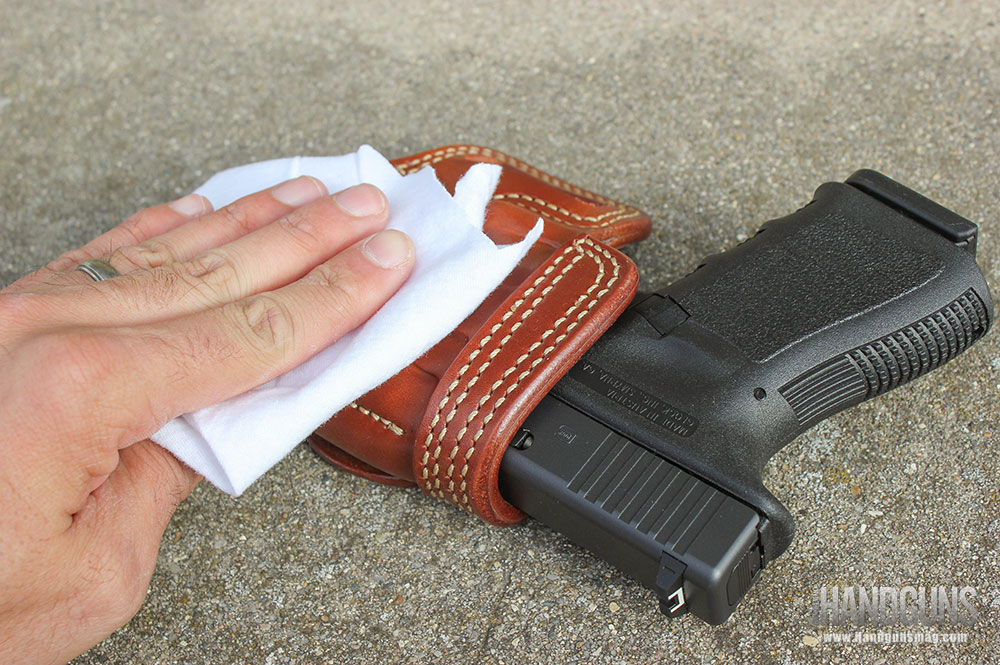
- Use a dry, soft cloth to remove dust, lint, and salt.
- If the leather feels damp, let it air dry at room temp. No sun or heat.
Sweat and salt control
- For sweat marks, use a barely damp cloth, then dry with a towel.
- Brush threads and edges with a soft brush to move salt away from stitches.
Belt care in seconds
- Wipe the belt inside and outside.
- Stand the belt on edge for airflow for 30 minutes before hanging.
When done right, the leather stays dry, firm, and clean. This daily plan is the core of how to care for leather holsters and gun belts.

Deep Cleaning And Conditioning, Step By Step
You will not need to deep clean often. Over-cleaning weakens finish and shape. I do it when the leather feels dry, chalky, or grimy. For daily carry, that is often every 2 to 4 months for holsters and every 1 to 3 months for belts.
What to use
- A pH-balanced leather cleaner. Avoid harsh soaps and alcohol.
- A wax-rich conditioner with beeswax or carnauba for a firm finish.
- Microfiber cloths and a soft brush.
What to avoid
- Heavy oils like mink oil or neatsfoot on molded holsters. They can soften and kill retention.
- Silicone sprays on the inside. They can get slick and unsafe.
- Soaking the leather in water.
Steps
- Dry brush the holster and belt to lift dust and grit.
- Lightly dampen a cloth. Add a small amount of cleaner. Wipe in small circles. Do not soak seams.
- Wipe off any residue with a clean, damp cloth, then pat dry.
- Let it air dry for 30 to 60 minutes away from heat.
- Apply a pea-size amount of wax conditioner to the outside only. Work thin and even.
- Wait 10 minutes. Buff with a dry cloth to a soft sheen.
- For the inside of the holster, skip oils. If needed, a tiny bit of wax on the mouth only helps reduce squeak and improve draw without loosening retention.
Pro tip from the shop: after wet classes, I do a two-stage dry. Air dry for an hour, then rest overnight in a cool room with a fan on low. I never put leather near a heater. That mistake cost me a favorite holster. Follow these steps if you want a safe, repeatable plan for how to care for leather holsters and gun belts.

Weather And Field Protection
Rain, sun, and heat stress leather. Plan ahead and treat early.
Rain and humidity
- If soaked, remove the gun and mag. Dab water with a towel. Do not rub hard.
- Insert a clean, wrapped dowel to keep the holster mouth open if needed.
- Air dry at room temp. No sun, no car dash, no hair dryer.
Sun and heat
- UV fades color and dries fibers. Keep leather out of direct sun when not worn.
- A thin wax top coat helps block UV and moisture.
- Do not leave gear in a hot car. Heat reshapes molded leather.
Cold and snow
- Brush off salt. Salt draws water and breaks down leather.
- Use a light cleaner and re-wax the outside after snow days.
Field care kit
- Small microfiber cloth
- Tiny tin of wax conditioner
- Soft brush
- Desiccant packs for your bag
This field plan makes how to care for leather holsters and gun belts simple on the go.
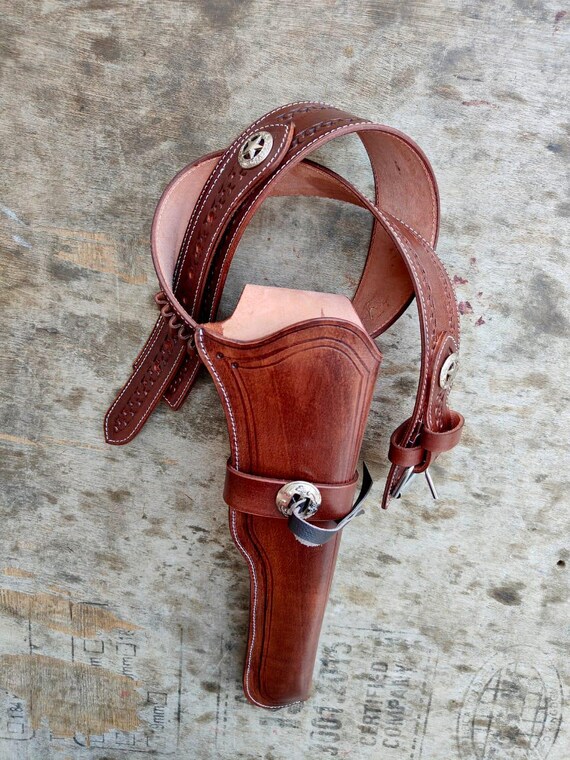
Smart Storage And Rotation
Storage is where many rigs fail. Do it right and your gear will hold its shape for years.
Do
- Let gear dry before storage.
- Hang belts flat or loosely coiled with no kinks.
- Store holsters in a cool, dry, ventilated spot.
Do not
- Do not store a gun in a leather holster long term. Oils and salts can cause rust and can deform the holster.
- Do not seal leather in plastic bins without airflow.
- Do not stack heavy items on the holster.
Rotation tip
- If you carry every day, rotate between two holsters and two belts. Each gets time to rest and dry. This is a big win in how to care for leather holsters and gun belts.
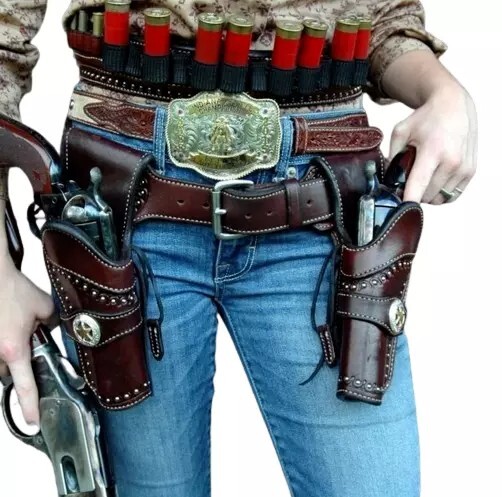
Fit, Retention, And Safety Checks
Good leather should grip the gun, protect the trigger, and release clean. Check these points each month.
Retention test
- With the unloaded gun holstered, hold it upside down over a couch. It should not fall out. A light shake should still hold.
- Practice a few draws. It should be smooth, with a firm click or grip.
Mouth and body
- The mouth should stay open for safe re-holstering. If it caves, stop using it until fixed.
- Look for waves or sag in a belt. A sagging belt hurts draw speed and comfort.
Stitches and hardware
- Inspect threads for fray. Snip fuzz. Add a dot of wax to lock ends.
- Check rivets and snaps. Tighten any Chicago screws on belt keepers.
Comfort check
- Hot spots and rub mean the edge needs a light buff or burnish.
- Belt holes should stay round. Oval holes show stretch and need rotation.
These checks keep you honest about how to care for leather holsters and gun belts with safety first.
Mistakes To Avoid
Some products and shortcuts do more harm than good. Skip these.
- Using a hair dryer, heater, or sun to dry leather. Heat cracks fibers.
- Wiping with alcohol or bleach. These strip oils fast.
- Soaking leather to clean. Water changes shape and weakens glue.
- Over-conditioning. Too much oil ruins retention and makes prints.
- Boot polish on holsters. Dyes and wax mix can smear and stain clothes.
- Silicone spray inside the holster. It gets slick and unsafe.
- Storing in a hot car. Shapes shift and finish fails.
- Leaving a wet belt coiled. It dries into a twist.
Avoiding these traps is central to how to care for leather holsters and gun belts the right way.

Troubleshooting And Minor Repairs
Problems happen. Here is how I fix the most common ones.
Salt stains
- Mix a 1:16 white vinegar to water solution. Dab, do not soak. Wipe clean and let dry. Recondition lightly.
Mold spots
- Move to fresh air. Wipe with a cloth dampened with the same mild vinegar mix. Dry in moving air. Condition after two days.
Surface scratches
- Rub with a tiny amount of wax conditioner. Small marks blend in. Deep gouges need a pro.
Squeaks
- Buff edges with a cloth. A tiny touch of wax on belt edges helps. Do not add oil to the holster interior.
Loose shape or soft retention
* Very light re-form: with an unloaded gun wrapped in a thin plastic bag, press in by hand on slightly warm, barely damp leather. Let dry in shape overnight. If unsure, let a maker do it.
Stitch nicks
- Dab wax over a fray and press it down. If a thread breaks, stop using it until a repair is done.
These fixes keep gear safe while you plan a pro repair. They also model how to care for leather holsters and gun belts when life gets messy.

Ingredients And Tools That Work
You do not need a big kit. You need the right kit.
Good choices
- pH-balanced leather cleaner
- Beeswax or carnauba wax conditioner
- Microfiber cloths
- Soft horsehair brush
- Desiccant packs for storage bins or safes
Use with care
- Glycerin soaps. Use sparingly and rinse well.
- Acrylic finishes. Light coats only to avoid cracking.
Skip for holsters
- Heavy oils and greases
- Perfumed cleaners
- Silicone sprays inside
My range bag has a tiny tin of wax, a cloth, and a brush. That setup has saved me after rain, sweat, and dust storms. Keep it simple, and you will master how to care for leather holsters and gun belts anywhere.
A Practical Maintenance Schedule And Checklist
Set a schedule. Keep it short. Your gear will thank you.
After each carry day
- Wipe holster and belt dry.
- Air out for 30 minutes.
Weekly
- Brush edges and stitches.
- Spot clean sweat marks.
Monthly
- Inspect retention, stitches, snaps, and belt holes.
- Clean and condition if the leather feels dry.
Seasonal
- Deep clean and condition before summer heat and after winter salt.
- Refresh wax on the outside for water and UV block.
One-minute checklist
- Is it dry and firm, not squishy?
- Does it hold the gun and draw smooth?
- Are the stitches tight and edges clean?
This routine locks in how to care for leather holsters and gun belts without guesswork.
Frequently Asked Questions of how to care for leather holsters and gun belts
How often should I condition a leather holster?
Every 2 to 4 months is enough for most users. Condition sooner if it feels dry, and later if it is still supple.
Can I store my gun in the holster long term?
No. Oils and salts can trap moisture and cause rust. Long storage also deforms the holster shape.
Is saddle soap safe for holsters and belts?
Use a modern pH-balanced cleaner instead. Many saddle soaps are alkaline and can dry leather over time.
Will mink oil or neatsfoot oil hurt retention?
Yes, heavy oils can soften molded leather and reduce retention. Use a wax-rich conditioner instead.
How do I remove sweat salt lines?
Dab with a mild vinegar and water mix, then wipe clean and dry. Condition the outside with a thin coat of wax.
What should I do if my holster gets soaked in the rain?
Remove the gun, dab dry, and air dry at room temperature. Do not use heat, and re-wax the outside when dry.
Can I speed up drying in the sun or with a hair dryer?
No. Heat causes shrink, cracks, and lost shape. Dry slow in a cool room with airflow.
Why does my belt squeak and how can I fix it?
Squeaks come from dry edges rubbing. Buff the edges and add a tiny bit of wax to reduce friction.
Are silicone sprays okay for leather holsters?
Avoid silicone inside the holster, as it gets slick and unsafe. If used at all, keep it off any contact with the gun.
How tight should my belt be with a leather holster?
Tight enough to support the holster without digging. You should slide a finger under the belt with mild pressure.
Conclusion
Great leather rewards small, steady care. Keep it clean, keep it dry, add thin wax when needed, and store it cool. Test retention, check stitches, and rotate gear so it rests. That is the simple core of how to care for leather holsters and gun belts.
Set a 60-second daily habit this week and note the change. Your draw will feel cleaner, your belt will carry better, and your gear will look sharp. Want more practical tips like this? Subscribe, share your experience in the comments, and tell me what problem to solve next.