AIWB carry works best with a safe holster, solid belt, and patient setup.
You want clear, calm guidance on how to carry AIWB that actually works day to day. I’ve carried appendix for years as a trainer and a regular person who sits, drives, and chases kids. This guide explains how to carry AIWB with safety first, comfort next, and legal sense always. Stick with me and you’ll learn what matters, what doesn’t, and how to dial it in for your body and routine.
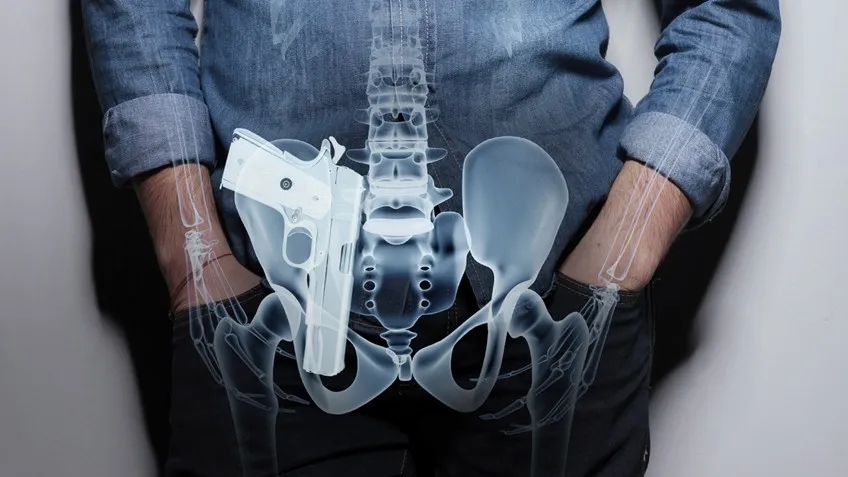
What AIWB Means And Why It Matters
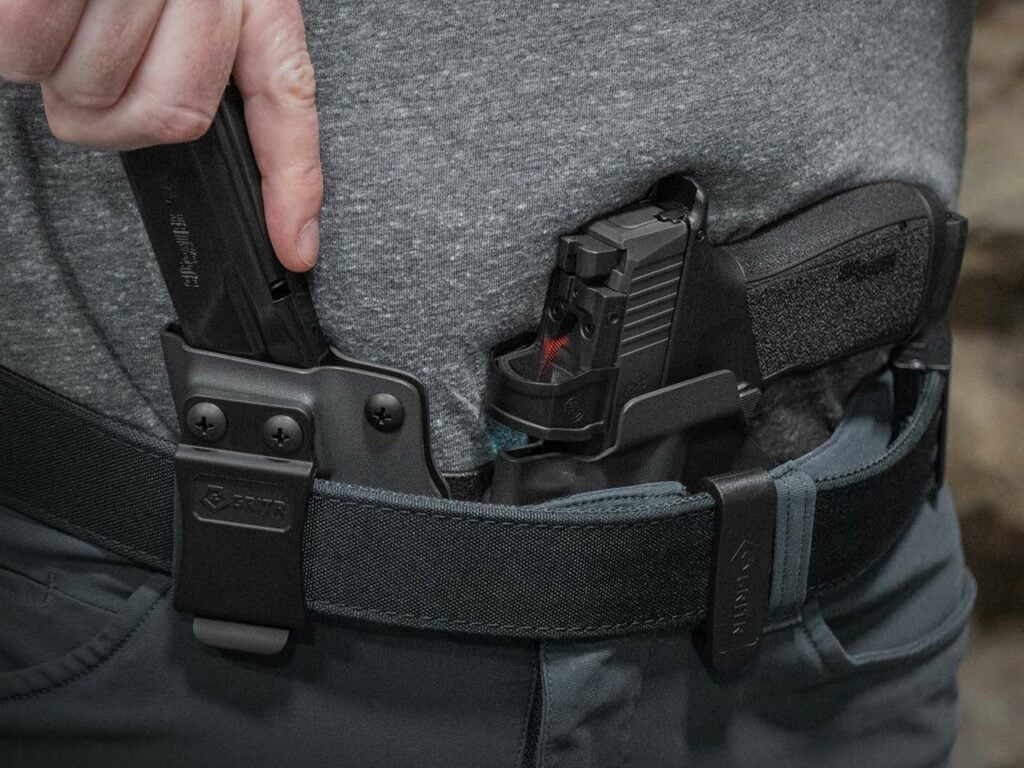
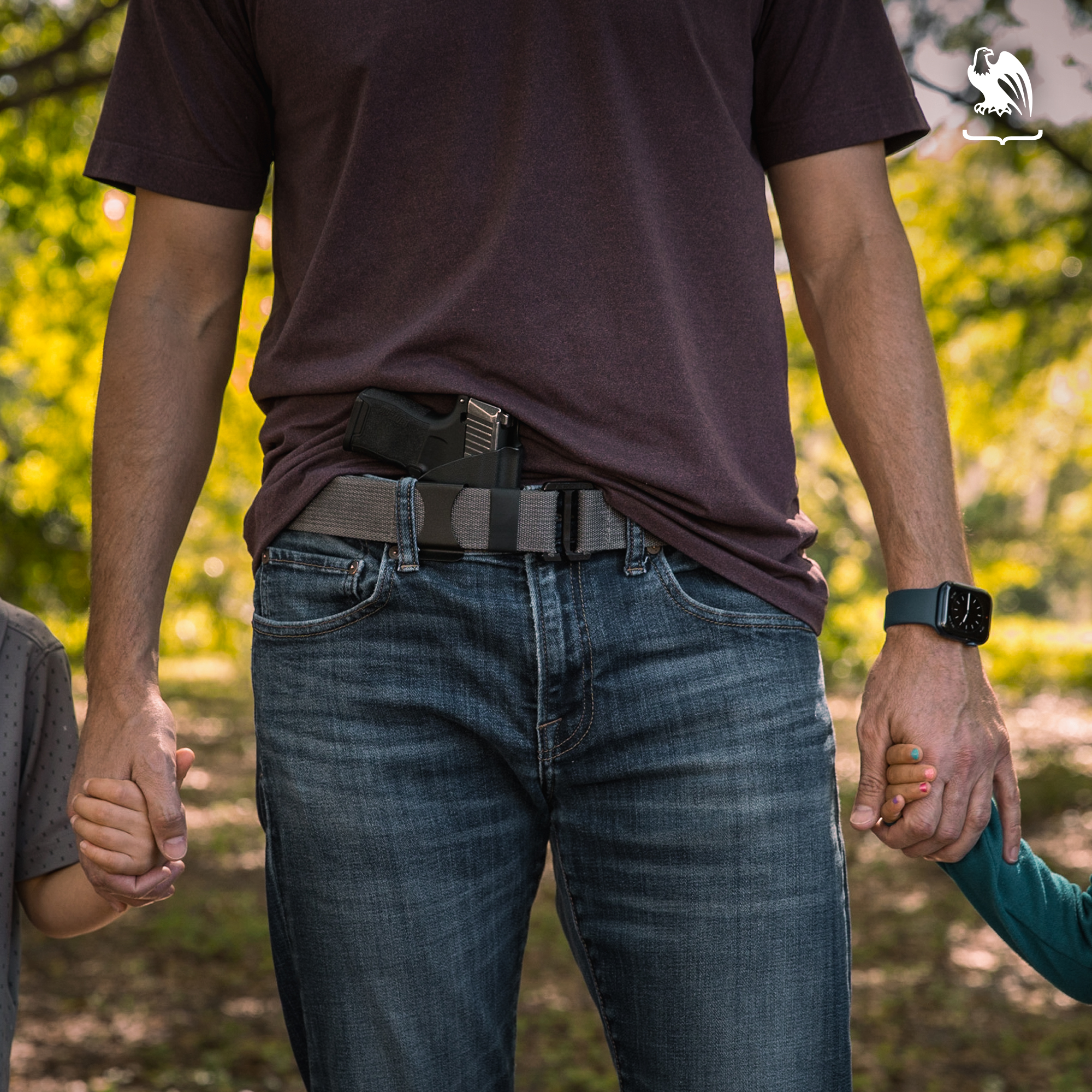
AIWB stands for appendix inside the waistband. It places the holster near the front of your body, usually between 12:30 and 2 o’clock. People choose it for fast access, strong concealment with the right shirt, and stable control in crowds.
Like any method, it has trade-offs. AIWB can be more sensitive to fit, belt tension, and body type. If you learn how to carry AIWB with the right gear and care, it can be safe, discreet, and comfortable.

Safety And Legal Foundations For AIWB
Safety is your first filter. Every choice you make flows from it. If you learn how to carry AIWB, put these rules first.
- Keep the muzzle in a safe direction at all times. Muzzle discipline matters during holstering more than anywhere else with AIWB.
- Keep your finger off the trigger until you are on target and have decided to shoot.
- Use a rigid holster that covers the trigger guard fully.
- Do not reholster fast. Go slow, clear clothing, and stop if you feel any resistance.
Know your local laws. If you ask how to carry AIWB legally, the answer is to confirm permits, places you cannot carry, rules on printing, and transport. This is not legal advice. Law and policy change often. Check official sources and a trusted instructor.
Take care of your body. If you have hernia risks, pelvic pain, or are pregnant, talk to a medical pro. It is okay to choose another method.

Choosing The Right AIWB Holster And Belt
Holster choice makes or breaks how to carry AIWB. Look for:
- Full trigger guard coverage with stiff material like Kydex.
- Adjustable retention that clicks in, yet releases with a clean draw under guidance of a qualified instructor.
- A claw or wing to push the grip inward for less printing.
- A wedge to tilt the muzzle out and the grip in for comfort.
- Adjustable ride height and cant to match your torso and belt line.
- Solid clips that lock to the belt. Metal clips with good bite resist shifting.
Belts matter more than you think. A purpose-built gun belt gives support without needing to crank it tight. For athletic wear, consider mounting systems designed for beltless carry. If you wonder how to carry AIWB in summer clothes, these systems can help.
If you carry a spare magazine, choose a slim, discreet carrier that rides near the holster or weak side. Balance comfort with access.

Fit And Position: Setting Up AIWB For Your Body
Everyone’s hips, belly, and posture are different. That is why how to carry AIWB is personal. Start with this simple setup path:
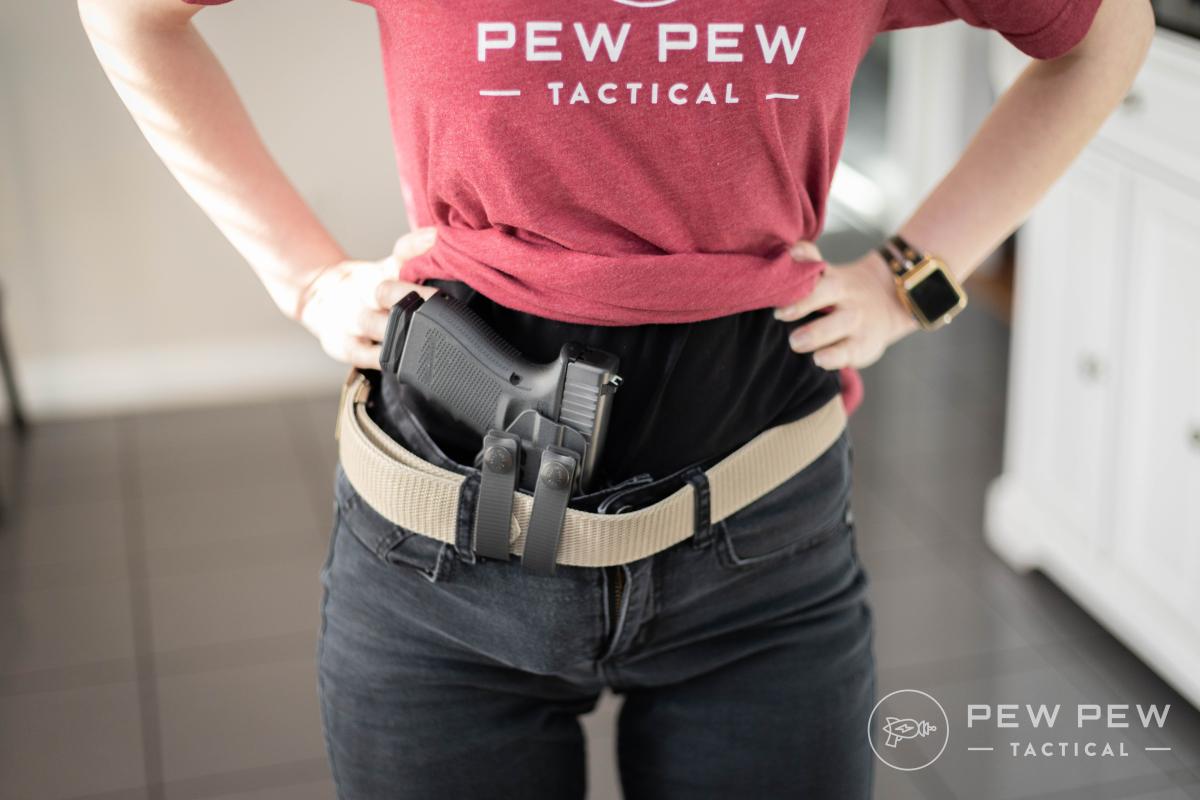
- Place the holster around 12:30–1:30. Move in small steps until pressure points ease.
- Set ride height so you can get a full firing grip while holstered, without digging into your thigh when sitting.
- Use a slight inward cant if the grip prints. Keep it neutral if your wrist angle feels strained.
- Add a wedge to ease hot spots. Foam wedges soften contact and change the angle.
- Adjust belt tension to hold the holster stable without cutting into your stomach.
Personal note: I thought 1:30 was my spot. It looked great but bit my thigh while driving. Shifting to 12:45 with a small wedge fixed it. That is the heart of how to carry AIWB well: tiny tweaks, then test.
Clothing And Concealment Tips That Work In Real Life
If you ask how to carry AIWB without printing, start with fabric and fit. You do not need to dress in tents. You need drape and structure.
- Choose shirts with a bit of stretch and weight. Patterns hide shapes better than solids.
- Use a slight tuck or a casual front drape. A light overshirt is magic for movement.
- Pick pants with enough rise and a stable waistband. A good belt keeps the holster in place.
- Do a mirror and movement test. Reach, bend, sit, and walk. Fix what prints.
Seasonal note: In winter, layers help. In summer, wedges, claws, and shirt drape do the work. When learning how to carry AIWB in heat, stay with breathable fabrics and watch belt tension as your body swells through the day.
Daily Comfort, Hygiene, And Maintenance
Long days test your comfort plan. How to carry AIWB all day comes down to care and small habits.
- Wear a thin undershirt to protect skin. It also soaks sweat.
- Use a soft wedge or pad to spread pressure. Replace when it compresses flat.
- Clean the holster often. Rinse grit and wipe it dry to protect the finish.
- Wipe the gun daily in hot weather. Use light oil on high-wear spots.
If a nerve spot tingles or goes numb, change position or gear. Comfort is not a luxury. It is a safety issue because pain changes how you move and think.

Training And Practice: Safe Habits For AIWB Carriers
Real skill grows with guided practice. If you want to master how to carry AIWB, train with a certified instructor who understands appendix carry and safety controls.
Dry practice starts with a ritual. Unload in a different room. Check the chamber, mag well, and floor. Remove all ammo from the room. Use a clear backstop like a solid wall. Keep reps slow and smooth. Reholster with care, or simply remove the holster from the belt before returning the gun if you are unsure. Do not chase speed.
At the range, follow posted rules. Bag and unbag with the muzzle in a safe direction. Ask the range for AIWB policies. Many require special steps for safety. A good class covers draw methods suited to AIWB and safe reholstering. Technique is best taught hands-on to reduce risk.
Troubleshooting And Common Mistakes
Learning how to carry AIWB comes with small bumps. Here are fixes that work.
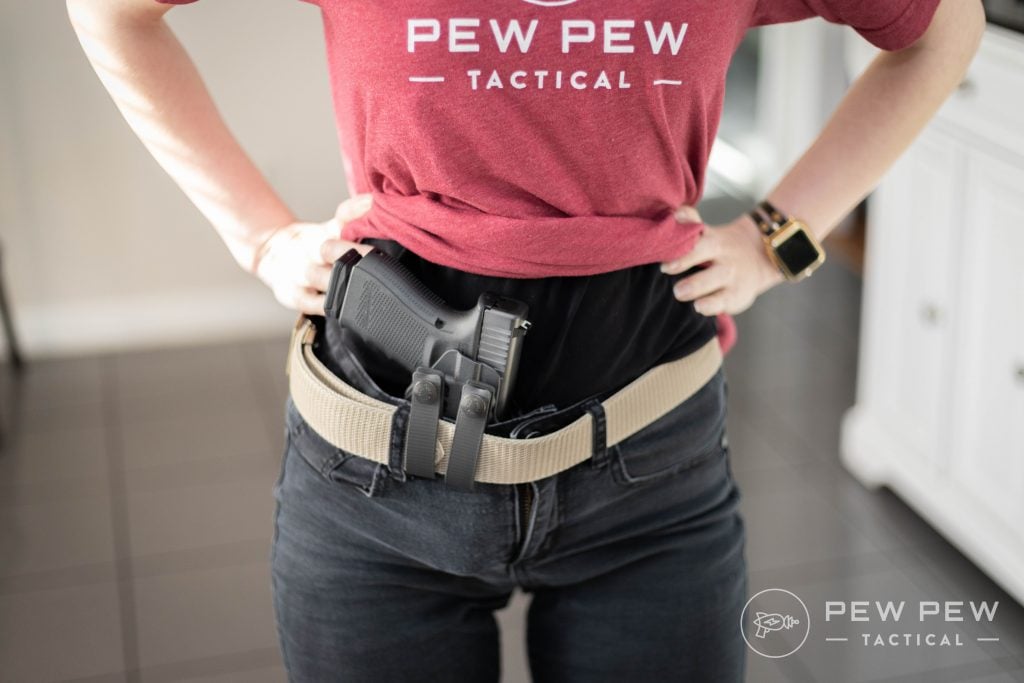
- Printing at the grip: Add a claw or increase belt height slightly. Try a heavier shirt fabric.
- Thigh poke when sitting: Lower ride height a notch or add a soft wedge to tilt the muzzle out.
- Hot spots on the pubic bone: Shift to 12:30 and soften with foam. Loosen the belt one click.
- Holster shifting: Upgrade clips or use a better belt. Check that your waistband is snug.
- Cheap gear regret: Buy once, cry once. A safe holster is not the place to save money.
If you are still stuck on how to carry AIWB with comfort, take notes during your day. When does the pain start? After which movements? Small data leads to smart tweaks.
Who Should Skip AIWB Or Modify The Approach
AIWB is not for everyone. That is okay. Your safety and health come first.
- Pregnancy or pelvic pain: Choose strong-side IWB or another method approved by your doctor and trainer.
- Post-surgery or hernia history: Get medical clearance and try other carry spots.
- Jobs with intense bending or grappling: Use gear with extra retention or rethink the method.
If you still want to learn how to carry AIWB but have risks, try inert training tools under a coach first. You can also explore different holster shells, smaller guns, or alternate positions that reduce pressure.
Frequently Asked Questions of how to carry AIWB
Is AIWB safe for everyday carry?
Yes, with a rigid holster that covers the trigger and careful reholstering. Training with a qualified instructor is key for safe technique.
Where should I position the holster when carrying AIWB?
Most people start between 12:30 and 1:30. Fine-tune by small moves until pressure points ease and you can get a full grip.
Can I carry a full-size pistol AIWB?
Some can with the right wedge, claw, and belt. Many prefer compact or mid-size guns for better comfort and concealment.
How do I sit and drive with AIWB?
Set ride height to clear your thigh and add a soft wedge. A modest belt loosen by one notch while seated can help, as long as the holster stays stable.
Do I need a special belt for AIWB?
A sturdy gun belt improves comfort and security. It spreads weight and keeps the holster from tilting or shifting.
What is the best holster type for AIWB?
A rigid Kydex holster with full trigger coverage, adjustable retention, a claw, and a wedge is a strong start. Good clips that grab the belt are also important.
Conclusion
Learning how to carry AIWB is a process, not a single purchase. Start with a safe holster and a solid belt. Make small setup changes, test them, and write down what works. Train with a qualified instructor, follow the law, and go slow on reholstering. If your body says no, listen and adjust.
Your next step is simple: check your current holster for trigger coverage, add a wedge or claw if needed, and book a reputable AIWB class. If this guide helped, subscribe for more practical carry tips, or share your setup questions in the comments.