Choose a bullet weight that balances recoil, penetration, expansion, and reliability.
If you carry daily, you know details matter. In this guide on how to choose the best bullet weight for concealed carry, I break down real factors that affect your safety. I have tested loads across calibers, short barrels, and long range days. I will help you avoid hype and pick ammo you can trust under stress. Read on to learn how to choose the best bullet weight for concealed carry with confidence.
What bullet weight means and why it matters
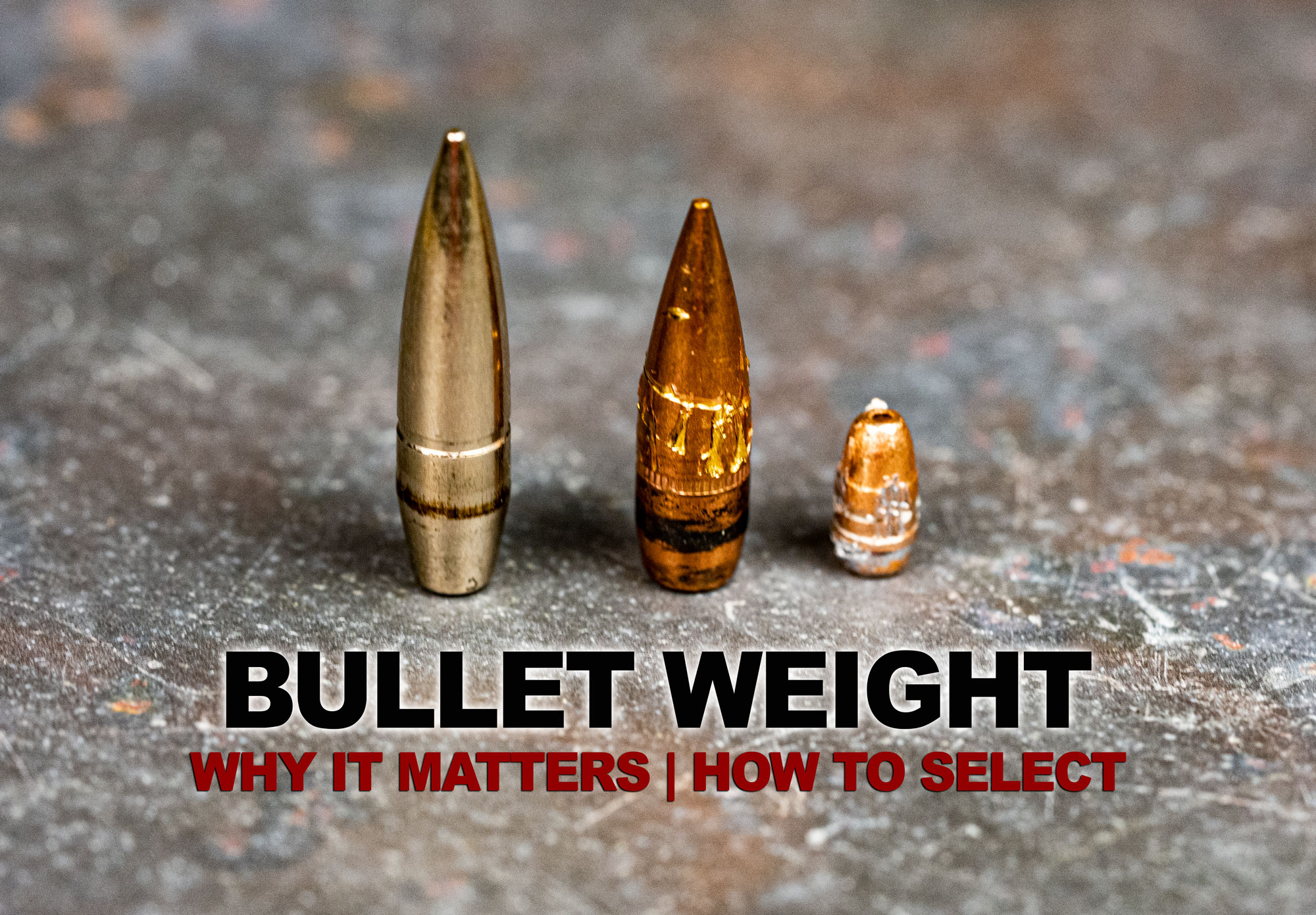
Bullet weight is measured in grains. There are 7,000 grains in one pound. A heavier bullet of the same caliber is longer and usually moves slower. A lighter bullet is shorter and often faster.
Weight affects recoil, momentum, and how a bullet opens or penetrates. In pistols, we aim for controlled recoil, reliable expansion, and enough penetration. The common standard is 12 to 18 inches in calibrated gelatin. The right weight helps reach that window with less blast and better control.
Think of it like gears on a bike. Lighter bullets are quick to start but may slow down in tough material. Heavier bullets push through with steadier force. The best choice depends on your gun, your skill, and your needs.
Key factors in how to choose the best bullet weight for concealed carry
Your goal is a load you can control and trust. Use these factors to guide how to choose the best bullet weight for concealed carry.
- Recoil control: Choose a weight you can shoot fast and accurate. Lighter bullets often kick less in small guns. Heavier bullets can feel softer but slower, depending on the load.
- Penetration and expansion: Look for 12 to 18 inches of penetration and consistent expansion in tests. Bonded or solid copper bullets help keep the jacket and core together.
- Barrel length: Short barrels cut velocity. Some bullets are tuned for short barrels and still open well.
- Reliability: The round must feed and eject every time. Test your ammo in your carry gun.
- Point of impact: Different weights hit at different heights. Confirm your sights match your chosen load.
- Carry setting and barriers: Heavy clothes and intermediate barriers change performance. Pick a weight and bullet design that stays consistent.
- Legal and ethical duty: You own every round you fire. Over-penetration is a real risk indoors.
These factors make up how to choose the best bullet weight for concealed carry in real life, not just on paper.
Caliber-by-caliber guidance and common bullet weights
Every caliber has a sweet spot. Here is what years on the range and in classes have shown me.
- 9mm: Typical carry weights are 115, 124, and 147 grains. 124 and 147 often give steadier penetration. 115 can feel softer and still work in many loads. Many short-barrel loads favor 124 or 147.
- .380 ACP: Common weights are 90 to 100 grains. This round is light on power. Choose loads with strong track records in short barrels. Expansion can be spotty; some loads aim for deep penetration instead.
- .38 Special (snub nose): 110, 125, 135, and 158 grains are common. Short barrels like 135-grain loads tuned for snubs. Standard pressure can be wise in very light guns.
- .40 S&W: 165 and 180 grains dominate. 180 often gives smoother recoil and solid depth. 165 can run faster and open wider.
- .45 ACP: 185, 200, and 230 grains. 230 is classic and steady. 185 can be soft shooting in some pistols and expand well.
- 10mm Auto: 165 to 200 grains are common. For defense, avoid extreme velocity hunting loads. Seek controlled expansion and manageable recoil.
Use this as a map, not a rule. Your gun, your hands, and your sights decide the winner. This is the heart of how to choose the best bullet weight for concealed carry for your setup.
Short barrels vs standard barrels
Short barrels shed speed fast. Many compact and micro-compact pistols lose 50 to 150 fps or more. That drop can stop a bullet from opening well. It can also change point of impact.
Some loads are built for snub and subcompact use. They use faster powder and bullets that open at lower speed. In short barrels, mid or heavy weights often keep momentum and depth. Lighter bullets may need extra speed to open, which short barrels do not give.
+P can help some loads reach their design speed. Test for comfort and control. If +P slows your follow-ups, it is not a gain. This trade-off sits at the core of how to choose the best bullet weight for concealed carry with compact guns.
How to test and validate your carry ammo
Once you have a shortlist, prove it in your pistol.
- Function: Fire at least 100 rounds without a single malfunction. Use your real magazines.
- Accuracy: Shoot slow and then at speed at 3, 7, and 15 yards. Confirm the point of impact matches your sights.
- Control: Time pairs and failure drills. Track your splits and hits on a simple target.
- Low light and flash: Try a few rounds in dim light if your range allows. Check for blinding flash.
- Cloth layers: If you can, shoot through cloth into a safe backstop at a legal range. Look for stable holes and similar recoil.
- Chronograph if possible: Velocity tells you if the load meets its design speed in your barrel.
Keep notes. Your data will beat any ad. This hands-on work is key in how to choose the best bullet weight for concealed carry with confidence.
My personal take: lessons from the range
Across hundreds of student sessions, a few patterns show up. Many shooters do best with mid-weight bullets in each caliber. In 9mm, that often means 124 or 147. In .45, 230 tends to print steady groups. In .38 snubs, 135 is a smart pick.
Small guns punish blast and recoil. Heavy-for-caliber loads can feel calmer and print lower, which helps with fast hits. But I have also seen light loads shine in skilled hands. That is why you test. That is also why how to choose the best bullet weight for concealed carry starts with you, not the box.
Myths and mistakes to avoid
Skip the common traps that confuse how to choose the best bullet weight for concealed carry.
- Chasing energy numbers: Energy alone does not predict results. Look at penetration and expansion together.
- Copying a buddy’s load: Your gun and hands are different. What runs for them may not run for you.
- Ignoring point of impact: Sight height and barrel time change impact. Confirm with your carry load.
- Overlooking reliability: One malfunction on the range is a red flag. Find and fix or change loads.
- Picking the heaviest, always: Heavier is not always better. Balance depth, expansion, and control.
Practice ammo vs carry ammo
Use cheaper full metal jacket for volume reps. Save your carry load for confirmation. Try this plan.
- Warm up with practice ammo.
- Shoot 20 to 50 rounds of your carry load each month.
- Confirm function, accuracy, and point of impact.
- Rotate your carry ammo every 6 to 12 months.
This steady habit can do more than any chart. It is a practical core of how to choose the best bullet weight for concealed carry over the long term.
Seasonal and barrier considerations
Cold weather means heavy clothes. Some bullets clog and fail to open when they meet layers. Many modern loads handle this well. Bonded bullets and solid copper designs help.
If you must shoot near barriers like a car door, know that angle and luck rule. No pistol round is magic. Seek consistent depth and straight tracks in tests. Use this mindset when you think about how to choose the best bullet weight for concealed carry across seasons.
Frequently Asked Questions of how to choose the best bullet weight for concealed carry
What does bullet weight in grains actually change?
Grains affect speed, recoil, and how the bullet opens or penetrates. Heavier bullets move slower but push deeper; lighter bullets can expand wider if they have enough speed.
Is heavier always better for self-defense?
No. Heavier can help with momentum and depth, but it may recoil more and drop sooner. The best load balances depth, expansion, and control in your gun.
Do short barrels need different bullet weights?
Often yes. Short barrels cut velocity, which hurts expansion. Many mid to heavy weights designed for short barrels perform more consistently.
Should I carry +P ammo?
Only if you can control it and it runs 100 percent in your pistol. +P can boost speed and help expansion, but it may slow follow-up shots.
How many rounds of my carry load should I test?
Aim for at least 100 without malfunctions. Also confirm accuracy, point of impact, and speed if you can.
Does caliber matter more than bullet weight?
Both matter. Caliber sets the floor, but weight and bullet design shape real results. Choose a proven load in a caliber you can shoot well.
Conclusion
Choosing the right bullet weight is about proof, not guesswork. Test a few loads, track your hits, and favor the one you shoot best that also meets solid penetration and expansion standards. Your best pick is the one you control under stress.
Take a weekend to run this plan. Log your results and make a clear choice. If this guide helped, subscribe for more training tips, share your range notes, or leave a comment with what worked in your setup.