Always treat every gun as loaded; keep muzzle safe; finger off trigger; know your target and beyond.
The rules of gun safety are simple, but they save lives. I have taught first-time owners, hunters, and range regulars. When we make safety a habit, everything else becomes smoother and less stressful. In this guide, I will break down the rules of gun safety with clear steps, real examples, and the calm voice of experience. If you want a confident start or a helpful refresher, you are in the right place.
Why the rules of gun safety matter
Safety is not about fear. It is about respect and control. The rules of gun safety turn risk into routine. They help you slow down, think, and act with care.
Most incidents come from small lapses. A tired mind. A rushed move. A wrong guess. The rules of gun safety create a buffer against those moments.
I have watched new shooters relax once they follow a simple flow. They hold a safer stance. They move with care. They stop and check when something feels off. That is the point. The rules make safe action feel normal.

The four universal rules of gun safety
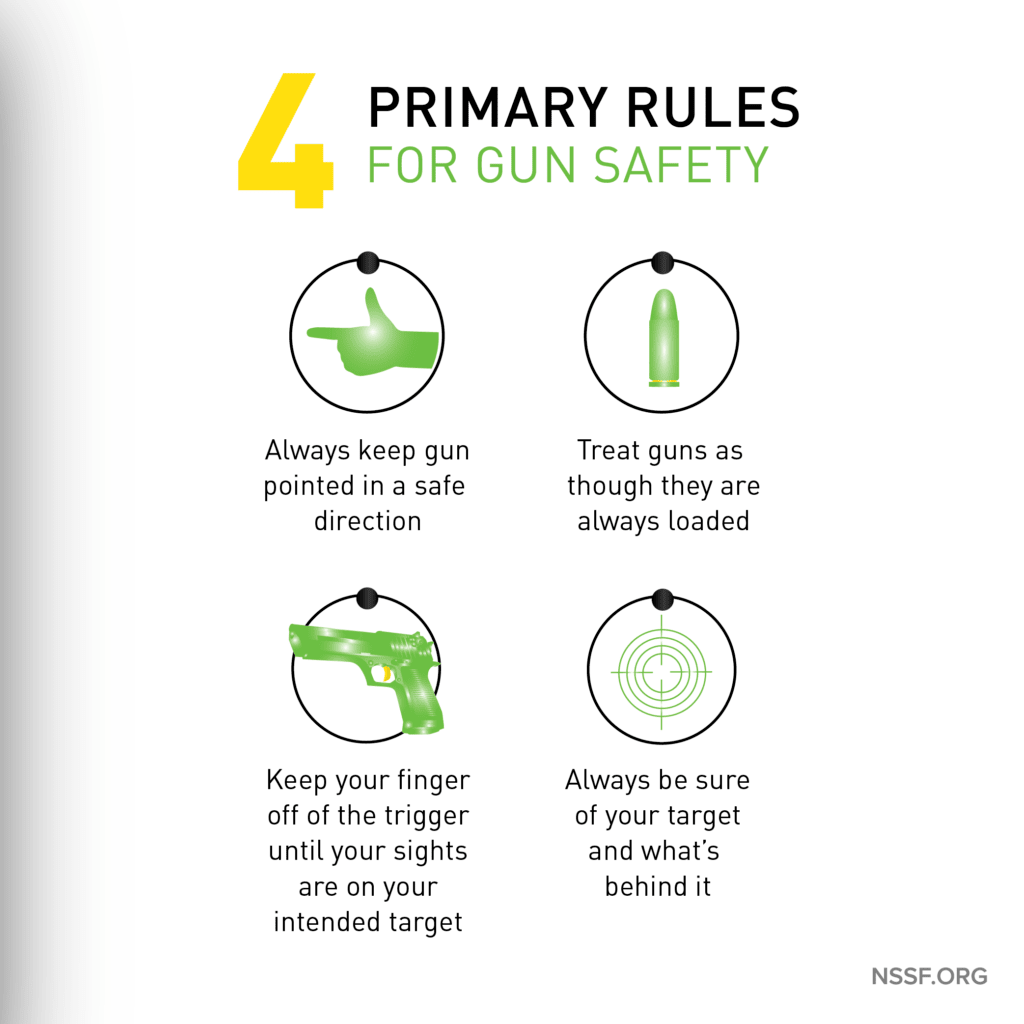
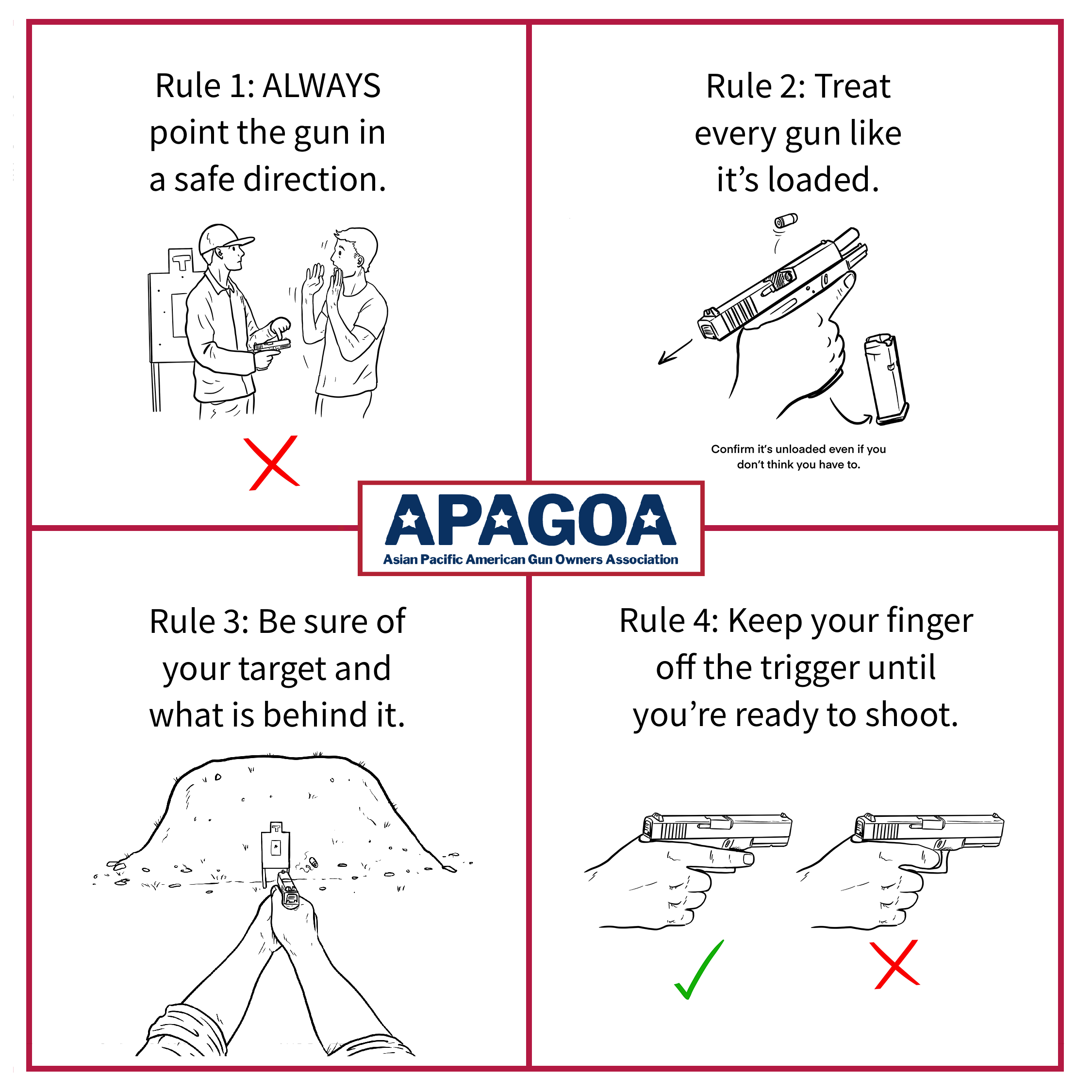
The rules of gun safety start with four core habits. They work at home, at the range, and in the field. Make them automatic.
- Treat every gun as if it is loaded. This mindset never turns off. Even a gun you just cleared gets full respect.
- Keep the muzzle pointed in a safe direction. A safe direction stops a bullet or leads to no harm if a discharge happens.
- Keep your finger off the trigger until your sights are on target and you are ready to fire. Index along the frame. Build this habit in dry and live fire.
- Know your target, what is in front, and what is beyond. Do not shoot at sound or shadow. Use a backstop you trust.
Here is how this looks in real life. You pick up a pistol to move it. You point the muzzle at the ground and away from people. Your finger rests high on the frame. You check the chamber. You confirm it is clear. Then you act.

Safe storage and access control
Most accidents happen at home. So start safety at the door. The rules of gun safety still apply when no one is shooting.
- Use a locked container or safe. Choose steel, pry-resistant models. Bolt them down when you can.
- Store guns unloaded. Keep ammo in a separate locked space.
- Use a cable lock or chamber flag when needed. These add a clear layer of control.
- Set a routine. Lock up every time you arrive home or finish cleaning.
With kids or guests, add more layers. Keep a quick-access safe for defense if you must. Share rules with other adults in the home. I learned this the hard way with a visiting friend. He was curious. I was lucky my safe was locked and my system was tight.

Handling, loading, and unloading with care
Even simple actions can slip when you rush. Follow the rules of gun safety while you load or unload.
- When you pick up a gun, point in a safe direction. Keep your finger off the trigger.
- Remove the source of ammo first. Drop the magazine or open the cylinder.
- Lock the action open. Rack and lock. Open the cylinder or break the action.
- Visually and physically check the chamber. Look, then feel with a finger. No brass. No round. Clear.
- Use a clearing barrel or safe backstop when possible. Build that habit.
When you reload, reverse the flow with the same care. Do not talk while you handle ammo. If someone speaks, pause and reset.

Range and field safety
A safe range day starts before the first shot. The rules of gun safety do not pause for fun or pressure.
- Follow all range commands. Cold range means no handling. Hot range means eyes up and full focus.
- Use proper eye and ear protection. Double up on loud days.
- Set guns down with actions open and chambers visible. Use chamber flags if the range asks.
- Respect safe tables and berms. Never sweep others with the muzzle.
- In the field, know your zone of fire. Never shoot at movement you cannot see. Confirm a backstop.
I have called a cease fire for simple mistakes. No one likes that. But people thank you later. A calm reset keeps everyone safe.

Transport and travel
Trips add stress. Bags, trunks, and new rules mix fast. Let the rules of gun safety guide travel too.
- Unload before transport. No round in the chamber.
- Use a locked case. Keep it closed and secure.
- Keep ammo in a separate container. Follow local and airline rules.
- Check laws at your start, your stops, and your end. Laws can change by city.
Make a checklist and tape it inside your case. When I did that, I stopped second-guessing at the car.
Maintenance and ammunition safety
Cleaning time is when many slip. A clean gun is good. A safe process is better. The rules of gun safety prevent accidents during cleaning.
- Clear the gun in a safe direction. Check the chamber twice. Then check again.
- Remove ammo from the room. Keep a clean zone and a live ammo zone. Do not mix them.
- Use the right tools and lube. Skip home-brew fixes for critical parts.
- Watch for ammo issues. Split cases, high primers, or deep-set bullets are red flags.
- Know malfunction signs. A pop with little recoil can mean a squib. Stop. Unload. Inspect the bore.
If something feels odd, it is odd. Pause and check. That pause has saved barrels and hands.

Training and mindset
Skill grows with safe reps. Make the rules of gun safety automatic before you chase speed.
- Take a class with a certified instructor. A second set of eyes finds blind spots fast.
- Start with dry practice. Triple-check empty. Aim at a safe backstop. No ammo in the room.
- Add live fire with simple drills. Track hits on paper. Focus on grip, sights, and trigger press.
- Debrief after each session. What went well? What needs work?
I like a three-step habit. Breathe. Check safety rules. Then start the drill. It keeps my pace calm and clear.
Teaching kids and first-time guests
Curiosity is normal. Plan for it. Use the rules of gun safety in kid-friendly words.
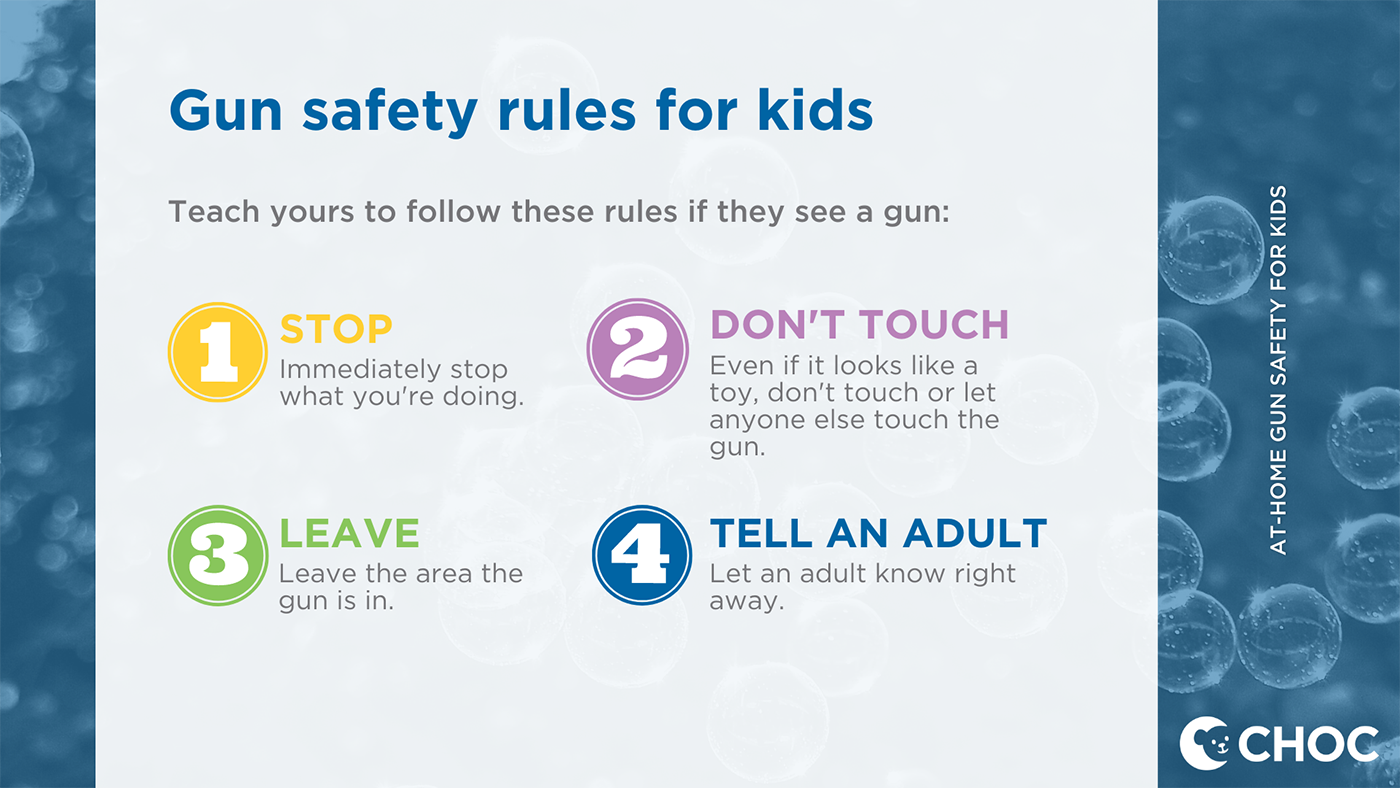
- Small kids: Stop. Do not touch. Leave the area. Tell an adult. Practice this like a fire drill.
- Older kids and guests: Show safe handling with a cleared gun. Actions open. Muzzle safe. Finger off trigger.
- Set house rules in writing. Lock storage. No exceptions.
A quick, calm talk beats mystery. When my niece asked, we did a short lesson. She lost the urge to sneak a look. That is a win.
Common mistakes and how to avoid them
Little slips grow into big risks. Learn the common ones. Build fixes into your routine.
- Finger drifts onto the trigger. Fix: Index high along the frame until ready to fire.
- Muzzle drifts during movement. Fix: Move your feet, not the gun, to keep a safe arc.
- Assume a gun is clear. Fix: Check chamber every time you touch it. Look and feel.
- Mix alcohol or drugs with guns. Fix: Hard rule. If you drink, you do not handle guns.
- Rush under pressure. Fix: Slow is smooth. Smooth is fast. Breathe and reset.
When you feel rushed, stop. Say the rules of gun safety out loud. Then continue.
Build your home safety plan
A plan turns ideas into action. Write it down. Share it with your household.
- Storage map. Where each gun and key or combo lives.
- Access rules. Who can open what, and when.
- Transport checklist. Unload, lock, separate ammo, confirm laws.
- Training schedule. Dry fire days. Range days. Cleaning days.
- Emergency steps. What to do after a defensive use. Who to call. How to secure the scene.
Print the plan. Review it twice a year. The rules of gun safety work best when they live in daily habits.
Frequently Asked Questions of rules of gun safety
What are the four rules of gun safety?
Treat every gun as loaded, keep the muzzle in a safe direction, keep your finger off the trigger until ready to fire, and know your target and what is beyond. Make these rules automatic before anything else.
Why keep my finger off the trigger until I am ready?
Most unintentional shots start with a stray finger. Off the trigger gives you a safety gap until your sights are on target and your mind is set to shoot.
How should I store a gun with kids at home?
Use a locked safe, keep guns unloaded, and store ammo in a separate locked place. Teach kids a simple script to avoid touching and to get an adult.
Is dry fire practice safe?
Yes, when done with care. Triple-check the gun is unloaded, remove all ammo from the room, point at a safe backstop, and follow the rules.
What should I do if my gun does not fire?
Keep the muzzle pointed in a safe direction and wait a few seconds in case of a hang fire. Then unload, inspect the chamber and bore, and stop if anything looks or feels wrong.
Do I need a manual safety to be safe?
A manual safety helps, but it does not replace core habits. The rules of gun safety are the real safety and must be on at all times.
Conclusion
The rules of gun safety are simple words, but they build life-long habits. Treat every gun as loaded, keep a safe muzzle, keep your finger off the trigger, and know your target. Wrap those rules with good storage, careful travel, steady training, and a clear home plan.
Start small today. Write your checklist. Walk through a safe unload and store drill. Teach one person you love. If this guide helped, subscribe for more practical tips, share it with a friend, or leave a question so we can grow safer together.