Stay calm, keep hands visible, inform promptly, and follow all commands.
You’re driving home after a long day. Blue lights pop in your mirror. Your heart jumps because you carry every day, and you want this concealed carry traffic stop to go right. You breathe, park safely, and think about what to say. You also wonder what to do with your hands, your wallet, and your holster. I’ve been in that seat, and I know the small choices that keep everyone safe. In this guide, I share a simple process I use, plus two helpful products that support calm, clear interactions on the roadside.
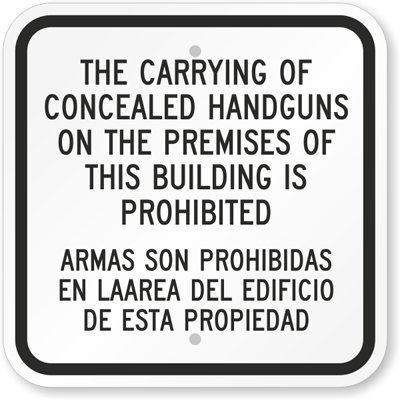
No Weapons Sign: The Carrying…
Durable material: Made from high-quality metal, waterproof and rust-resistant, designed for long-term use. Square size: 12 x 12 inches, providing a balanced display area for clear and visible information. Easy…

Police Training Regarding Civilians: Safely…
No description found
Bilingual No Weapons Sign, 12×12 Metal
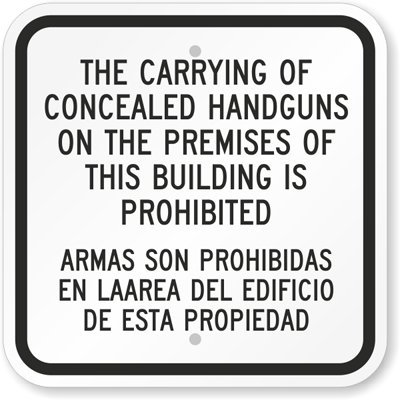
This 12×12 metal No Weapons sign is a simple tool that can prevent confusion. The bilingual design makes your message clear in English and Spanish. The bold graphic stands out from the street. Property managers and small business owners can post it near doors for quick notice.
Why does it matter for a concealed carry traffic stop? Clear signs reduce gray areas. Police see signs like this during calls for service. They use signage as part of their safety read. That helps protect good people who carry responsibly and respect posted rules.
Pros:
- Clear bilingual message improves understanding
- Durable metal resists rust and weather
- High-contrast print is easy to see from a distance
- Pre-drilled holes for quick mounting
- Useful for landlords, shops, and private property
Cons:
- May not match high-end decor
- Some local codes require specific wording or size
- Signage does not replace legal enforcement
My Recommendation
If you manage a property, this is a smart add-on. It supports clear expectations before any contact starts. That lowers stress for visitors and for responding officers. In a concealed carry traffic stop, clarity is priceless. Signs like this help set the safety tone long before any lights flash.
I like it for bilingual clarity and sturdy build. It is best for posted-entry areas where people can see it and decide to enter or not. For me, tools that prevent confusion are always worth it.
| Best for | Why |
|---|---|
| Landlords and property managers | Clear policy upfront reduces disputes and confusion |
| Retail and office entries | High-contrast message visible from walkways |
| Shared residential spaces | Bilingual design reaches more residents and guests |
Police Training: Disarming Legal Carry Safely
This training resource focuses on how officers remove a firearm from a lawful carrier. It shows safe steps and controlled movements. That insight matters for both sides of the window. You learn what to expect if disarming becomes part of your stop.
As of 2026, many academies teach calm, consistent contact with legal carriers. The better you understand that playbook, the smoother things go. I like to study both roles. That way, my expectations match real-world training and I stay a step ahead in a concealed carry traffic stop.
Pros:
- Shows step-by-step officer techniques for safe disarming
- Builds empathy for law enforcement decision-making
- Reduces surprise if you are asked to exit or disarm
- Useful for instructors and community outreach
- Can guide your own practice for compliance and safety
Cons:
- Focuses on officer process, not civilian legal tips
- Production quality can vary with training content
- Not a substitute for formal defensive training
My Recommendation
This is best for responsible carriers who want to see the stop through the officer’s eyes. It adds context to commands and movements that happen under stress. For a concealed carry traffic stop, that insight improves your timing and your calm. You follow in a way that feels natural and safe.
I suggest it for instructors, armed drivers, and families who travel. Use it to build a shared plan for roadside contacts. The value is in smoother compliance and less confusion.
| Best for | Why |
|---|---|
| Everyday concealed carriers | Learn what to expect if asked to disarm |
| Firearms instructors | Teach students realistic stop procedures |
| Families who road-trip | Create a calm plan for traffic stops together |
Concealed Carry Traffic Stop: What It Is and Why It Matters
A concealed carry traffic stop is any roadside police contact while you lawfully carry a concealed firearm. It can be for speeding, a brake light, or a random hazard. Carrying changes your script. You must think ahead and move with care.
The goal is simple. Keep everyone safe and calm. Follow the law in your state. Match your actions with clear, respectful words.
My Step-by-Step Script for a Smooth Stop (2026)
I use a repeatable plan for every concealed carry traffic stop. It keeps me steady, even if I am nervous. Practice it until it feels normal. That helps your hands do the right thing when lights come on.
Here is my simple flow. Pull over safely and park. Turn off the engine. Roll down windows. Turn on your dome light at night. Keep both hands high and still on the wheel.
Before the officer reaches your door, I avoid fishing for my wallet. I leave it in place. I leave my carry setup untouched. I do not make sudden moves. My goal is zero surprises.
When the officer greets me, I speak in a calm, slow voice. I say, “Officer, I want to let you know I have a concealed carry permit and I am carrying. My firearm is at my right hip. My hands will stay on the wheel. How would you like me to proceed?”
If my state has a duty to inform, I follow it right away. If not, I still disclose early if I think my gun might be seen. I never reach for anything until I get clear directions. I repeat back instructions in simple words.
When asked for my license and documents, I say where they are. “My license is in my wallet in my left pocket. My registration is in the glove box.” Then I ask, “May I reach for them now?” I move slowly and pause if I hear “stop.”
What to Say and When to Inform
Duty-to-inform laws vary by state. As of 2026, several states require you to notify the officer that you are armed. Others do not. Many carriers choose to inform early anyway. It prevents a surprise if your shirt lifts or your holster prints.
I keep it short. I say I am a lawful carrier. I name the location of the gun. I keep my tone steady. Then I ask how to proceed. That shows respect for the officer’s safety and role.
If the officer does not want details, I stop talking about it. I follow the next instruction. I focus on calm, clear actions. Words matter, but movement matters more.
Hands, Body Language, and Where to Look
Your hands tell your story first. Keep them high. Keep them still. A quiet posture reduces tension at once. Your eyes should face forward or on the officer’s face when asked.
Do not dig around in bags or under seats. Do not twist your torso near your holster. Do not reach across your body in a way that could reveal your gun. Slow movement beats fast movement, every time.
If you need to cough, scratch, or adjust your seat, ask first. Then move slowly. Count to three in your head before you move. That gives time for the officer to see and process your action.
Where I Keep My Documents for Less Risk
A common mistake is storing your wallet or registration near your gun. That creates conflict at a concealed carry traffic stop. Your hand heads for your gun area. That can trigger alarm, even if you mean no harm.
I keep my driver’s license in a slim cardholder on my non-gun side. I place my registration and insurance in a bright sleeve in the sun visor. I can reach all of it without crossing my holster. It is a simple change that pays off.
If you carry appendix, avoid keeping papers near the center console. If you carry in a purse, consider a dedicated pocket with a zipper lock. Clear, separate storage removes one more stress point.
If the Officer Asks to Disarm You
Stay calm. Do not touch your gun. Do not unholster unless asked and guided. Some departments prefer to remove the gun themselves. Others ask you to step out slowly.
I repeat the command I hear. Then I say, “I will move slowly.” If I must exit, I unlock the door and wait for the next direction. I spread my fingers. I make each move slow and visible.
If the officer removes the gun, I do not turn my head to watch. I stay still unless told otherwise. Later, the gun may be returned unloaded. Stay patient and follow the steps to the end.
Passengers, Kids, and Rideshares
Passengers who carry add layers to a concealed carry traffic stop. Tell the officer how many people are in the car. Say if anyone else is armed, and only if asked in your state. Keep the same calm tone.
Teach teens not to reach or whisper during a stop. That can look like hiding something. Tell them to keep phones still. Ask them to wait before recording, or to hold phones high and steady if they record.
Rideshare drivers should know company policy. Some services forbid firearms on duty. You still must follow state law. Build a simple script for your riders and post it on your dash, if allowed.
Traveling Across State Lines in 2026
Reciprocity is complex. Your permit may not be valid in a neighbor state. Before you travel, check the state’s rules for carry, transport, and duty to inform. Laws change. Check before every trip.
When I cross state lines, I plan fuel and rest stops. I know where I can carry or must secure my firearm. If I must store it, I use a locked case, a cable, and good concealment out of sight. I follow safe transport rules the whole time.
In any new state, I act as if I must inform. I keep my language simple and respectful. That keeps my concealed carry traffic stop smooth, even in places with different rules.
Common Mistakes to Avoid
- Digging for your wallet before the officer arrives
- Reaching across your holster or lifting your shirt
- Talking fast or trying to joke under stress
- Moving without permission when hands should stay still
- Letting paperwork live near your gun
- Assuming your home-state laws apply everywhere
How I Prep My Car for Fewer Surprises
I set up my car for a calm concealed carry traffic stop. I keep my documents on the visor. I add a bright sleeve to grab with two fingers. I keep a small notepad and pen on the dash to write instructions if needed.
At night, I turn on the dome light at once. That helps the officer see my hands and the car interior. I keep the radio off and hands high. I announce any move before I make it.
I also carry a compact lockbox for times I must disarm. It stays cabled to a solid point. It does not rattle or draw the eye. That keeps my focus on the person at the window, not my gear.
What If I Open-Carry in a Permitless State?
Open carry changes what the officer sees. You still follow the same calm script. Hands high. Slow speech. Clear inform if your state requires it, or if the gun is obvious.
Expect more direct safety steps. The officer may ask you to step out. You might be asked to move away from the gun for a moment. This is normal. Stay steady and follow the plan.
Even where permitless carry is legal, private property rules still apply. Posted signs and school zone rules still matter. Respect each layer of the law.
What If I Am Stopped and I Forgot I Am Armed?
It happens. You grab a jacket from the closet and hit the road. You only remember when you see the lights. Do not panic. Take a breath and use the same script.
Keep your hands still. Disclose if required or if it is likely to be seen. Explain calmly that you are lawfully armed and forgot you had it on. Honest words and slow hands build trust fast.
Do not rush to fix it by moving the gun. That looks bad. Let the officer guide the next steps.
How I Use Language to Lower Tension
Short sentences help when stress runs high. I avoid slang. I avoid sharp tones. I say please and thank you. Respect is free, and it buys safety.
Good lines to keep ready: “I want to inform you I am a lawful concealed carrier.” “My hands will stay on the wheel.” “Where would you like me to place my hands?” “May I reach for my license now?”
These lines show control and care. They also help the officer. Everyone wants a stop that ends well. Shared language gets you there.
Training That Pays Off at the Window
Range time is not enough. Practice your stop script in the driveway. Set your hands at 10 and 2. Rehearse where your eyes go. Practice saying your disclosure line out loud.
Dry-run your document reach with your seat belt on. Time each move. Make sure your hands never cross your holster. Add a pause before each motion to mimic a real command.
Consider classes that cover the legal side and the human side. As of 2026, many courses include mock stops. That practice makes the real thing feel routine.
What If the Officer Seems Nervous or Firm?
Match firm with calm. Keep your voice low. Keep your words short. You can be polite and still ask clear questions. Safety drives tone on both sides.
If the officer raises concerns, listen and do not argue roadside. You can contest a ticket later. You can file a complaint later. In the moment, safety first, pride second.
Remember, every officer has a unique background. Some have many contacts with lawful carriers. Some do not. Your calm shows up as trust.
Documenting the Stop
Recording laws vary by state. Most places allow recording in public areas if you do not interfere. If you record, say so early. Keep the phone high and still. Do not reach fast for a pocket camera.
I prefer a dash cam for hands-free video. It runs before the stop begins. That removes any question of timing. It also keeps my hands free for the script.
After the stop, I jot quick notes. Time, location, and the key actions. It helps me learn and refine my plan.
After the Stop: Reflect and Adjust
When I get home, I review what went well and what I will change. I update my car setup if needed. I move documents if a reach felt awkward. I rehearse any tough parts until they feel smooth.
Small tweaks add up. The next concealed carry traffic stop will be easier. That is the whole idea. Prepare once, benefit for years.
Legal Notes and Reality Checks
This is not legal advice. Laws shift and differ by city and state. Always check current statutes before you drive armed. Rules on duty to inform, signage, and transport can change fast.
As of 2026, training standards continue to improve. Many departments teach safer contacts with lawful carriers. Yet human factors remain. Stress, darkness, and unknowns can add friction. That is why your plan must be simple.
Clarity wins. Consistency wins. If you follow a calm script, you set the tone for a safe end to the day.
Real-World Scenarios I Practice
Daylight stop, city street: I pull over, engine off, window down. Hands high. Early disclose. I ask before moves. I collect slow. I repeat instructions. Done.
Night stop, rural road: I park, dome light on. I tell the officer about the light to show my intent. I disclose calmly. I keep my fingers spread. I ask for steps one by one.
Rainy stop with kids: I keep everyone quiet with a hand sign we practice. I say we will stay in the car. I disclose. I ask the officer to repeat if the rain is loud. Clear steps beat speed every time.
Mindset: The “No Surprises” Rule
I repeat one rule to myself: No surprises. No surprise moves. No surprise words. No surprise reaches. I let the officer set the pace and the order.
This mindset makes a concealed carry traffic stop smoother. You cannot control every part of the scene. You can control your hands, your words, and your timing. That control matters most.
Practice makes it natural. It turns a tense minute into a routine moment. That is success.
FAQs Of concealed carry traffic stop
Do I have to tell an officer I am carrying?
It depends on your state. Some require it. Others do not. When in doubt, disclose calmly and early.
What should I do with my hands during the stop?
Keep them high and still on the wheel. Ask before any move. Move slow and pause if told.
Where should I keep my license and registration?
Store them away from your gun. Use a visor sleeve and a non-gun-side wallet. Avoid crossing your holster.
What if the officer wants to disarm me?
Do not touch your gun. Follow commands. Move slow and repeat back instructions.
Can I record the stop?
Often yes, but laws vary. If you record, say so, and keep the phone steady and visible.
Final Verdict: Which Should You Buy?
For a smoother concealed carry traffic stop, clarity and training win. The bilingual No Weapons sign sets clear rules on property. The police training resource shows what to expect if disarming is part of the stop.
If you manage property, choose the sign for instant clarity. If you carry or teach, pick the training guide for safer, calm compliance on the roadside.