Look for stiffness, strong materials, secure buckle, precise fit, and all‑day comfort.
If you carry daily, your belt is mission gear, not just clothing. I’ve tested dozens of EDC and duty belts over the years, from leather classics to reinforced webbing. In this guide, I’ll break down the things to look for in a concealed carry belt with clear, field-tested advice you can trust. We’ll cover materials, stiffness, fit, buckles, comfort, style, and real-world checks so you can choose with confidence and carry well every day.
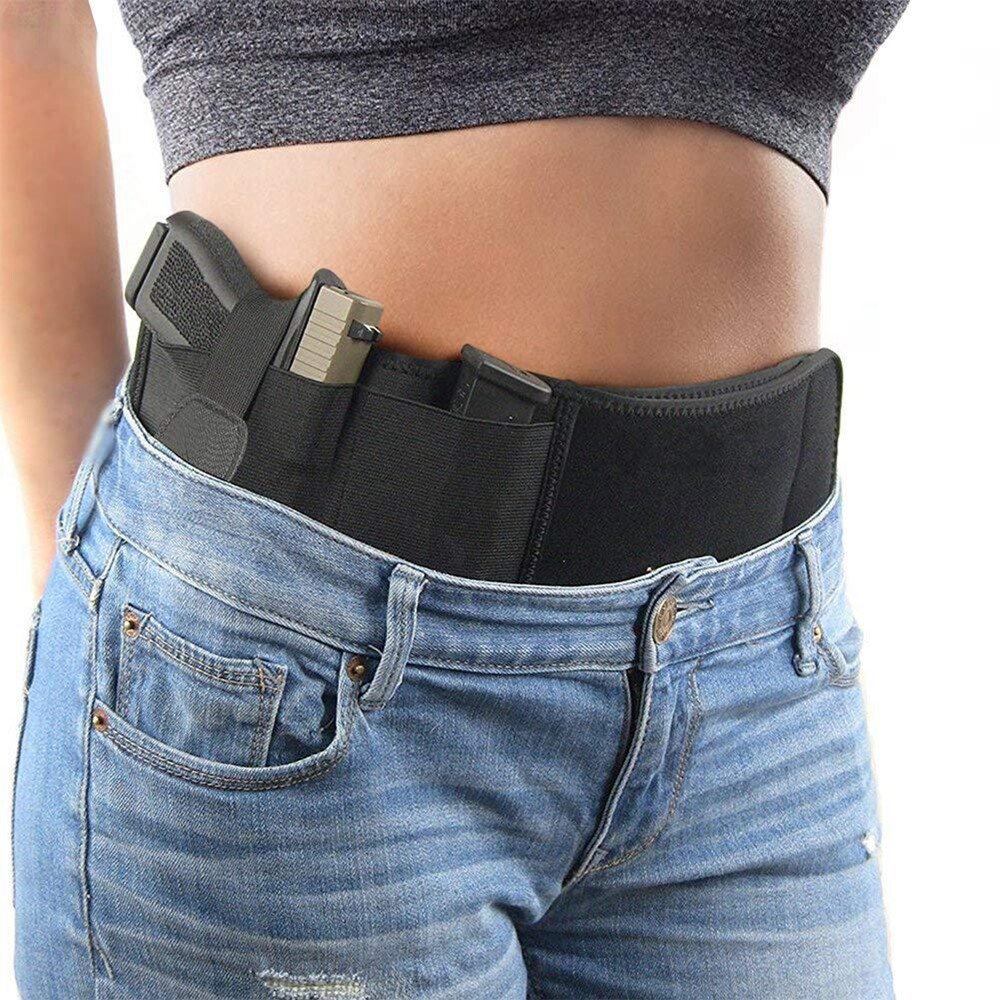
Why the belt matters more than you think
A good gun rides on a great belt. The belt spreads weight, keeps the holster stable, and protects your draw stroke. A weak belt sags, shifts, and prints. That means more fidgeting, slower access, and sore hips.
In classes and long days on the range, I see this a lot. People upgrade guns and holsters but skip the belt. The difference is night and day. If you remember one thing, it’s this: your belt is safety gear.
These are the core things to look for in a concealed carry belt. You want strength, stiffness, and a buckle that will not slip. You want smooth adjustability and comfort you can forget about.

Core things to look for in a concealed carry belt
Here is the short list that guides my buys and recommendations:
- Adequate stiffness for your carry weight Prevents sag and twist with a compact to full-size handgun and spare mag.
- Quality materials Holds shape under load; resists sweat and daily wear.
- Secure buckle or closure Locks without slip; easy to don and doff.
- True-to-size with micro-adjust Fine tuning for appendix or strong-side carry.
- Holster compatibility Works with your clip type and belt height.
- Comfort for long days Rounded edges, lined interiors, and breathability.
- Discreet profile Low visual signature, no loud prints or “tactical” screams.
- Proven durability Stitching, edging, and coatings that last.
- Real-world testing Try with your holster, gun, and clothes you actually wear.
Work through these things to look for in a concealed carry belt, not in isolation but as a system. Your body type, holster style, and pistol size all matter here.
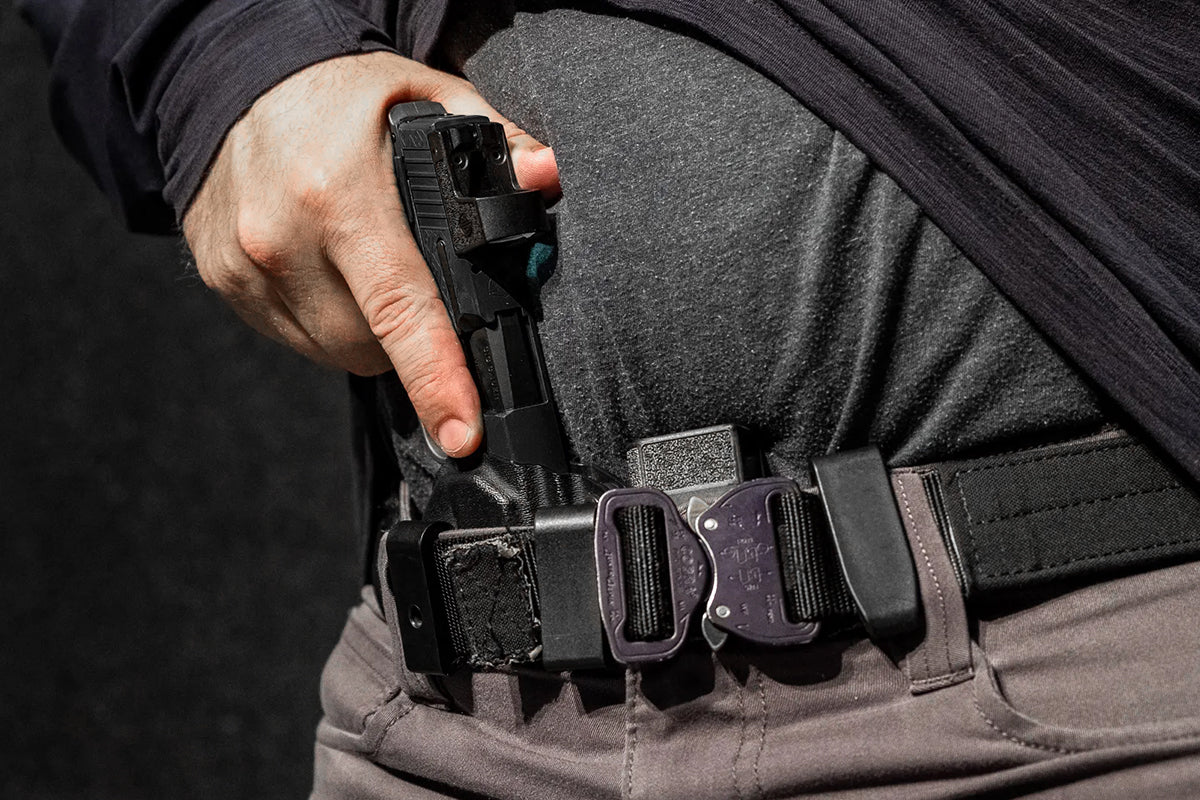
Materials and construction
Material choice drives strength, stretch, and feel.
- Full-grain leather Classic look, firm with age, can be reinforced. Look for two-layer leather or a stiffened core. Avoid flimsy fashion leather.
- Nylon webbing Tough, sweat resistant, and lighter. Double-layer with bonded or stitched edges holds shape better.
- Reinforced cores Polymer or steel inserts add vertical rigidity. Great for heavy loads, but check edge comfort.
- Stitching and edging Box stitches at stress points and clean edge sealing stop fray. Bonded thread resists UV and sweat.
In my testing, double-layer nylon or leather with a stiff core beats single-layer belts. It handles a 3 to 5 pound carry load without sag. This is one of the key things to look for in a concealed carry belt when you need reliability.

Stiffness, load rating, and support
Stiffness keeps the gun from tilting out or in. You need vertical support and resistance to twist.
- Vertical rigidity The belt should not fold under your gun’s weight.
- Torsional rigidity The belt should resist rolling when you pull on the grip.
- Practical load Aim for stable carry of your gun, a spare mag, and a phone, at minimum.
Quick test at home: thread your holster and gun on the belt. Hold the belt at the buckle and 12 inches away. If the gun droops more than a little, stiffness is low. If it stays level and does not roll, you are in the right zone.
This is among the top things to look for in a concealed carry belt, since poor stiffness causes hot spots and printing.
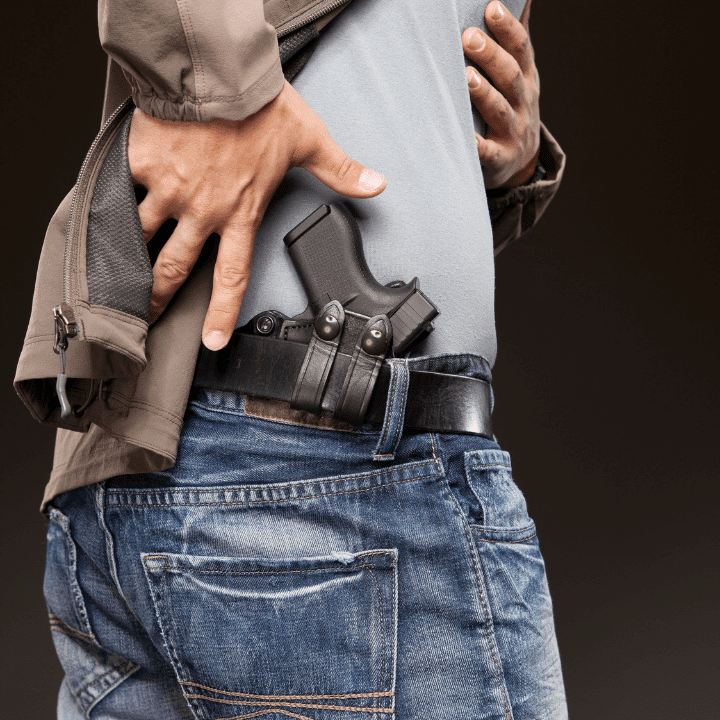
Sizing, adjustability, and fit
Fit is comfort. Fit is concealment.
- Size for how you carry Add room for the gun and holster. Most folks need 1 to 2 sizes up from pant size.
- Micro-adjust pays off Ratchet or small-step systems help fine tune after meals or when you sit.
- Belt height match your clips Common heights are 1.5 or 1.75 inches. Check your holster slot or clip spec.
I prefer ratchet systems for appendix carry because I can loosen a notch when I sit and tighten when I stand. That small change keeps pressure off my hip bone. Good adjustability is one of the practical things to look for in a concealed carry belt.

Buckles and closure systems
The buckle must lock without slipping and allow repeatable fit.
- Traditional tongue buckles Simple and proven. Look for thick, rigid holes and reinforced tongues.
- Ratchet buckles Fast, micro-adjustable, great for daily shifts in waist size.
- Low-profile quick-release Strong and sleek. Make sure it clears holster clips.
- Hook-and-loop closures Quiet, but can wear faster. Choose high-grade loop that won’t peel under load.
I’ve had cheap buckles creep during a long day. That small slip turns into sag and tilt. A solid buckle is one of the core things to look for in a concealed carry belt if you value a stable draw.
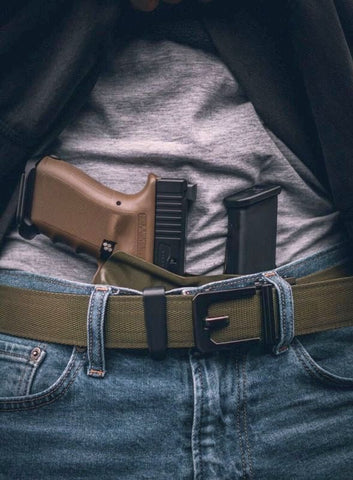
Comfort and concealment in daily wear
You will not wear a belt that hurts. Comfort supports consistent carry.
- Edge finish Rounded or rolled edges reduce hot spots at 3 and 5 o’clock.
- Interior feel Smooth liners glide under holster wings and claws.
- Breathability Nylon and webbing breathe better in heat and humidity.
- Flex where needed Stiff enough to hold shape, but not a steel band around your ribs.
Appendix carriers should check how the belt works with a wedge or claw. The right setup uses belt tension to tuck the grip in, which cuts printing. This blend of comfort and concealment is one of the most important things to look for in a concealed carry belt.

Style, printing, and wardrobe compatibility
You want low-key, normal style. No one should notice.
- Belt thickness Fits standard pant loops; avoids a tactical billboard look.
- Neutral colors Black, brown, and muted tones blend at work and out.
- Dress vs casual Leather for office wear, nylon for range days, or a hybrid that passes in both.
If your belt screams “range day,” it may draw eyes. Discretion is one of the real-world things to look for in a concealed carry belt, especially in non-permissive social spaces.
Testing, maintenance, and replacement timelines
Trust but verify.
- Do a dry run Wear it for a full day with your actual EDC load. Sit, drive, walk, and bend.
- Check fasteners Inspect screws and stitching monthly. Add thread locker to holster screws if needed.
- Watch for wear Cracks at holes, softened spots near holster, or frayed edges mean it’s time to replace.
Most belts last one to three years of daily carry, depending on weight, sweat, and climate. Planned maintenance is one of the smart things to look for in a concealed carry belt strategy.
Budget, value, and what matters most
Price ranges vary. Value comes from performance over time.
- Entry level Can work for light micro-compact carry if well made.
- Mid tier Often the sweet spot for stiffness, comfort, and looks.
- Premium Best materials, refined hardware, and long life.
I’ve wasted money on cheap belts that failed fast. Paying once for proper stiffness and a secure buckle saved me money and headaches. Cost of ownership is one of the practical things to look for in a concealed carry belt decision.
Common mistakes and lessons learned
I have made these mistakes. You can skip them.
- Buying fashion leather It looks nice but folds under load.
- Ignoring belt height Your holster clip may not seat right.
- Over-stiff belts for small guns Can be uncomfortable and unnecessary.
- Under-stiff belts for big guns Leads to sag, tilt, and slow draws.
Learning from these errors is part of the real things to look for in a concealed carry belt before you buy.
Legal, safety, and training notes
Your belt supports safe carry. It does not replace training.
- Follow local laws Know where and how you can carry.
- Train your draw Practice with an unloaded gun first. Then use safe dry-fire standards.
- Keep retention in mind Good belt tension improves holster retention and draw consistency.
Safety and habit form the base. Good gear sits on top. Legal awareness and training are non-negotiable things to look for in a concealed carry belt plan.
Quick checklist before you buy
Use this five-minute check with any belt you are considering.
- Does it hold your full EDC load without sag or roll?
- Can you micro-adjust in small, repeatable steps?
- Do your holster clips fit the height and thickness?
- Are the edges smooth and the buckle low profile?
- Does it blend with your normal clothes and settings?
- Can you wear it for 10 hours without hot spots?
- Does the build show double layers or a reinforced core?
- Is stitching tight, clean, and protected at stress points?
- Will it last at least a year of daily wear?
- Does it meet all the things to look for in a concealed carry belt you listed?
If you can say yes to most, you are close. This tight review is one of the best things to look for in a concealed carry belt process.
Frequently Asked Questions
What size belt should I get for concealed carry?
Go one to two sizes up from your pant size to allow for your holster and gun. Check the maker’s sizing chart and measure around your waist with your unloaded setup on.
How stiff should a concealed carry belt be?
It should resist sag with your gun and a spare mag. If the belt rolls or tilts under light pressure, it is not stiff enough.
Leather or nylon: which is better?
Both can work well. Leather looks dressy and can be reinforced; nylon handles sweat and heat better and is often lighter.
Will a ratchet belt hold a full-size gun?
A well-made ratchet belt can. Look for double-layer construction and a strong track with a metal core or robust webbing.
How often should I replace my concealed carry belt?
Plan on one to three years for daily carry, depending on load, sweat, and use. Replace sooner if you see cracks, fray, or soft spots near the holster.
Conclusion
A solid belt turns carrying from a chore into a habit you can keep. Focus on stiffness, materials, buckle security, fit, and comfort. Test it with your real holster and clothes, then adjust until it disappears on your body.
Use the checklist today. If your current setup fails any line, upgrade with purpose. Choose based on the things to look for in a concealed carry belt that matter most to you. Ready to dial in your EDC? Subscribe for more hands-on guides, or drop a question in the comments so we can help you carry with confidence.